Understanding the daylight requirements in Oadby and Wigston Borough Council is essential for anyone proposing a house extension, an infill dwelling or a larger residential scheme in this compact Leicestershire borough, which takes in the suburban communities of Oadby, Wigston and South Wigston on the south-eastern edge of Leicester. The Borough of Oadby and Wigston is the local planning authority (LPA); Leicestershire County Council is the upper-tier authority but does not determine most householder and residential planning applications. This guide explains how daylight and sunlight are considered locally, which adopted documents apply, and what an assessment to recognised national standards involves.
Daylight requirements in Oadby and Wigston Borough Council: the policy framework
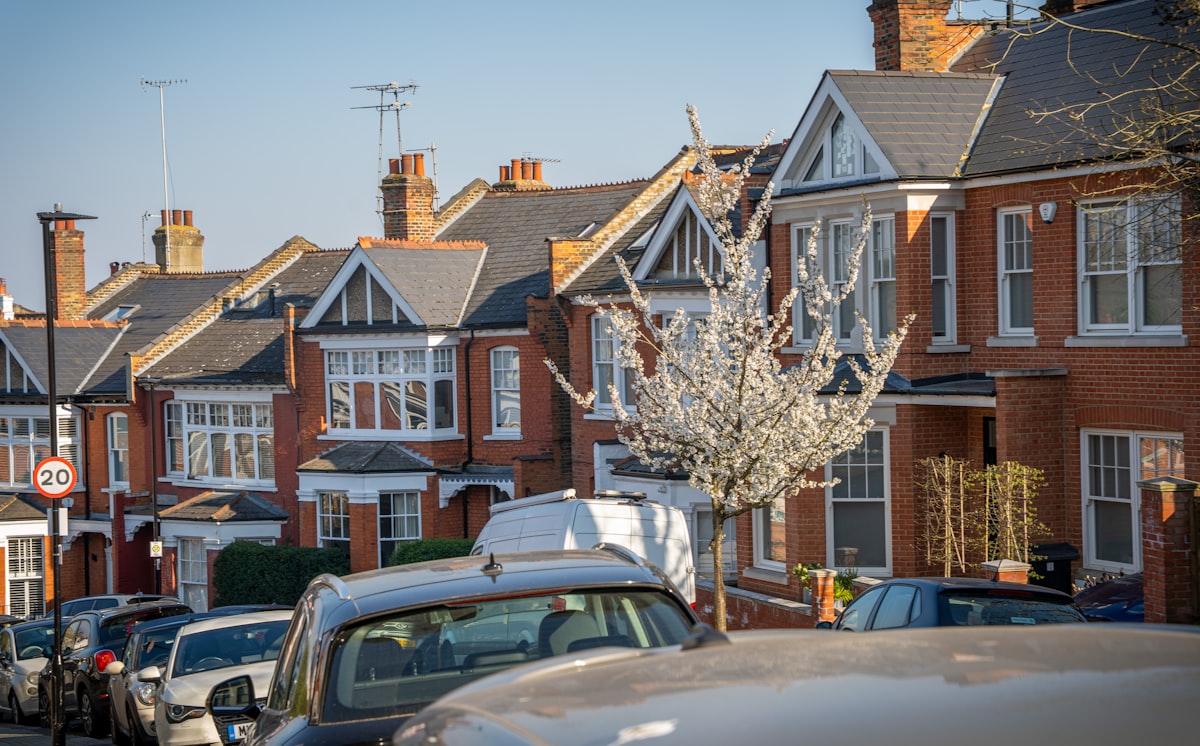
Oadby and Wigston is the smallest district in Leicestershire, and its largely suburban character - established streets, semi-detached and detached homes with gardens, and pockets of infill - makes the relationship between neighbouring properties a central planning concern. The development plan is the borough's Local Plan, which was adopted on 16 April 2019.
For daylight, sunlight and residential amenity, the key policies are:
- Policy 6 - High Quality Design and Materials, the borough's principal design policy, which requires development to be well designed and to protect the amenity of existing and future occupiers;
- Policy 15 - Urban Infill Development, which is especially relevant in a built-up borough where many proposals involve fitting new homes onto plots between or behind existing dwellings; and
- Policy 44, which addresses the detailed amenity and design considerations that bear on neighbouring living conditions.
Loss of daylight and sunlight, overshadowing, overlooking and a sense of overbearing or enclosure are the everyday tests applied under these policies, and they are especially important for the infill proposals that Policy 15 anticipates.
The Residential Development SPD and the 45 Degree Code of Practice
Oadby and Wigston is notable for backing its policies with practical, measurable guidance. The council adopted a Residential Development Supplementary Planning Document in April 2019, alongside the Local Plan. The SPD contains a 45 Degree Code of Practice, a long-established and widely used method for checking whether a new building or extension will unacceptably reduce the light reaching a neighbour's windows.
In simple terms, the 45 degree test draws a line at 45 degrees in plan (and often in section) from the centre of a neighbour's nearest habitable-room window. If a proposed extension or building crosses that line, it is taken as an indication that the proposal may cause an unacceptable loss of daylight and that the design should be reconsidered. The test is straightforward to apply and gives applicants a clear early signal, but it is a screening tool: where a proposal is borderline, where levels change, or where a neighbour relies on a particular window, a fuller BRE-based assessment provides the more rigorous answer.
How BRE BR 209 applies
Beyond the 45 degree code, the recognised national methodology for daylight and sunlight is the Building Research Establishment guidance, BRE BR 209: Site Layout Planning for Daylight and Sunlight - A Guide to Good Practice (2022 edition), read alongside the British Standard BS EN 17037 on daylight in buildings. These documents are applied through the borough's adopted policies and SPD and within the framework of the National Planning Policy Framework (NPPF), which supports making efficient use of land while securing well-designed places and a good standard of amenity. The 45 degree code and the BRE tests work together: the code gives a quick first check, and BR 209 provides the detailed numerical analysis where a proposal needs to be demonstrated rather than assumed.
What a daylight and sunlight assessment involves
A BRE-based assessment generally considers the daylight and sunlight enjoyed by neighbouring properties as well as that received by the occupiers of the new development. The principal tests include:
- Vertical Sky Component (VSC) - the amount of skylight reaching the centre of a neighbour's window, with a guideline value of 27%, or no worse than 0.8 times its former value;
- Daylight distribution (the no-sky line) - how daylight is spread across the depth of a room;
- Annual Probable Sunlight Hours (APSH) - the sunlight reaching windows with a significant southerly aspect, assessed across the whole year and the winter period;
- Overshadowing of gardens and amenity areas - using the sun-on-ground test on the equinox.
A clear, BRE-compliant report helps an Oadby and Wigston officer judge a proposal against Policy 6, Policy 15 and Policy 44, and complements the 45 Degree Code of Practice in the Residential Development SPD. It is particularly valuable for two-storey rear and side extensions in the borough's suburban streets, garden-plot infill behind existing frontages in Oadby, Wigston and South Wigston, and any proposal close to a neighbour's habitable-room windows. A robust assessment cannot promise consent, but it gives officers the evidence to reach a sound decision and helps applicants design out problems before submission.
How Fortress Associates can help
Fortress Associates prepares our daylight and sunlight report service to BRE BR 209 (2022) and BS EN 17037 for projects across Oadby, Wigston, South Wigston and the wider borough. We work UK nationwide with a typical 4 to 5 working day turnaround and ask for no advance payment. You can see the full range on our services page or contact us to discuss your site. We also produce Building Regulations drawings where these are needed alongside a planning submission.
Sources & further reading
- Oadby and Wigston Borough Council - Local Plan and Planning Policy
- BRE - BR 209: Site Layout Planning for Daylight and Sunlight (2022)
- GOV.UK - National Planning Policy Framework
- Fortress Associates daylight and sunlight reports
- See also our guide to daylight requirements in Melton Borough Council, our services and how to get in touch
Need help with a UK planning project?
Fixed-fee daylight reports and Building Regulations drawings — delivered in 4–5 working days. No advance payment.
Request a free quote