
Daylight vs Overheating: Balancing BS EN 17037 and Part O
Bigger windows mean better daylight but more solar gain. Here is how to reconcile BS EN 17037 daylight targets with Approved Document O overheating limits in 2026.
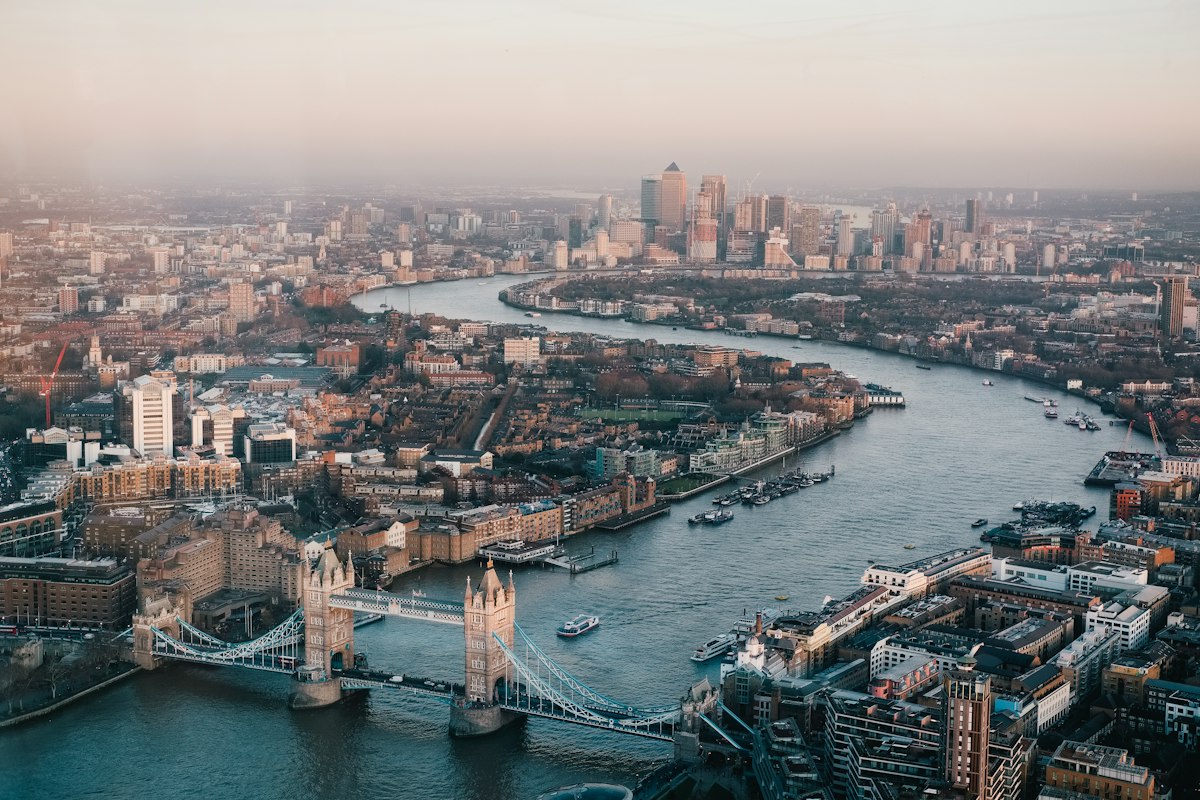
London Plan Daylight Standards in 2026: What Has Changed
The Mayor's 2026 Homes for London guidance loosens housing design rules, but London Plan Policy D6 still expects good daylight. Here is what it means for your scheme.
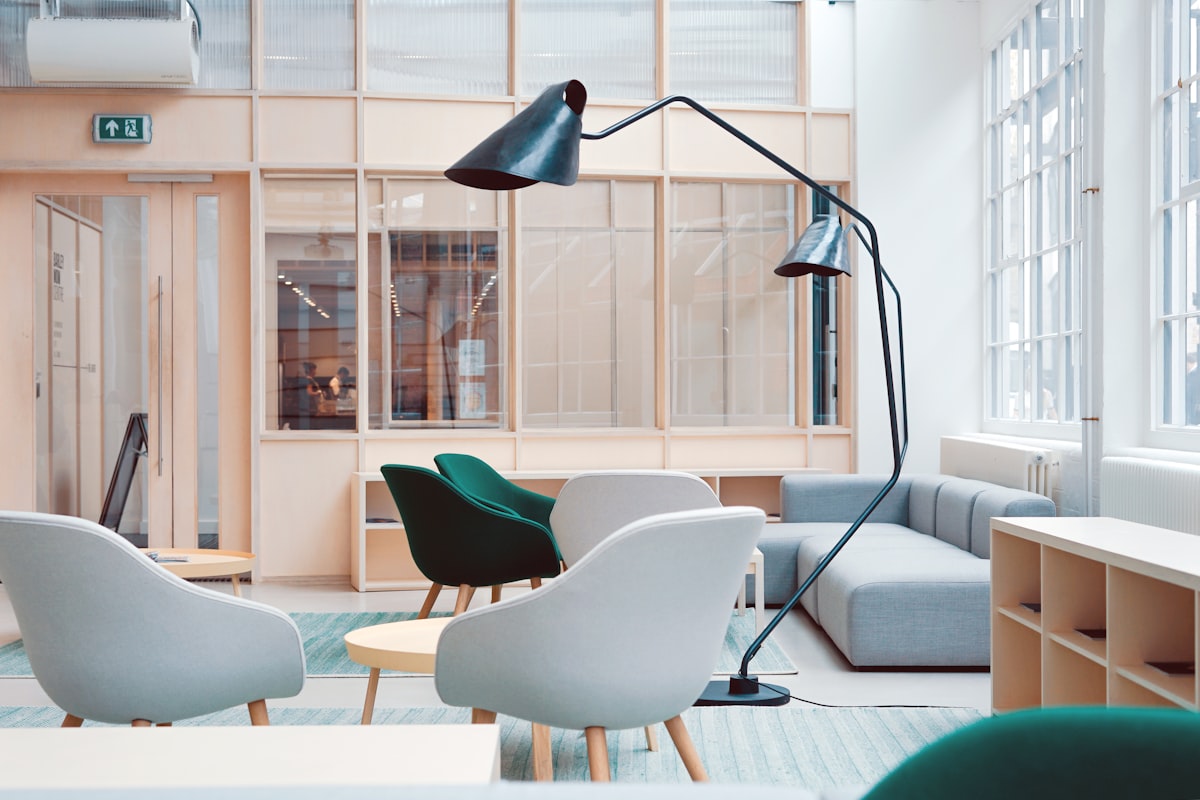
Climate-Based Daylight Modelling: sDA and Daylight Autonomy
What climate-based daylight modelling (CBDM) is, how spatial daylight autonomy (sDA) and useful daylight illuminance work under BS EN 17037, and when UK planners ask for it.

BR209 Appendix F: Setting Alternative Daylight Targets in Cities
BRE BR 209 (2022) Appendix F lets you set alternative daylight targets on constrained urban sites. Here is how the method works and when planners accept it.
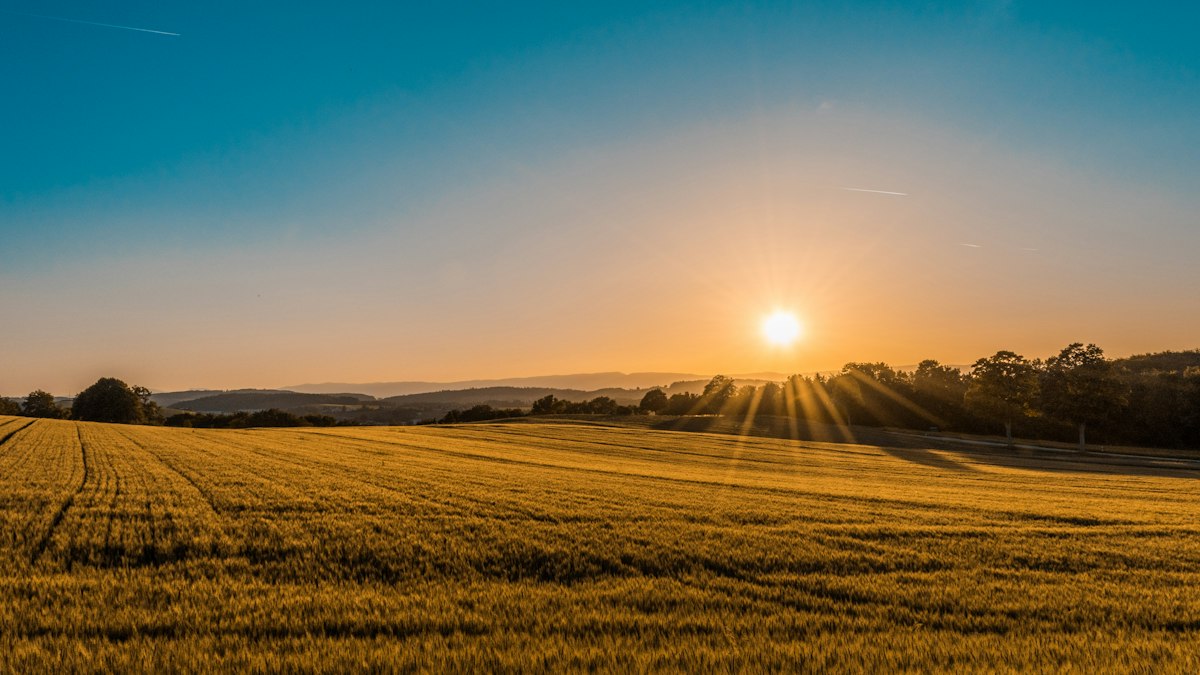
Overshadowing Studies: The 21 March Equinox Test Explained
How UK overshadowing studies use the 21 March equinox sun-on-ground test under BRE 2022 to judge whether gardens and amenity spaces keep enough sunlight.
Daylight Reports for Loft Conversions: VSC, Rooflights and Planning
When does a loft conversion need a daylight report? A practical UK guide to VSC, rooflights, BRE 2022 targets and protecting your neighbour's light.
Daylight Reports for Office-to-Residential Conversions (Class MA)
Class MA prior approval requires adequate natural light in every habitable room. Here is how a daylight report proves it, which standards apply, and how to avoid a refusal.
Daylight Reports for Rear Extensions: The 45 and 25 Degree Rules
Planning a rear extension? Learn how the BRE 45 and 25 degree rules work, when a full daylight and sunlight report is needed, and how to avoid a neighbour-amenity refusal.
Right to Light vs Daylight Report: The Key Difference for UK Owners
A right to light is a private legal easement; a daylight report is planning evidence. Here is how the two differ in 2026, and why a scheme can pass one and fail the other.

VSC, NSL and APSH: The Three Daylight and Sunlight Metrics Explained
A plain-English guide to the three core BRE metrics in UK daylight and sunlight reports: Vertical Sky Component, No Sky Line and Annual Probable Sunlight Hours.
BRE 2022 Daylight Provision Tests: Target Illuminance Explained
How the BRE 2022 (BR 209) daylight provision tests replaced Average Daylight Factor with target illuminance and spatial daylight autonomy — and what it means for UK planning applications.
Daylight Requirements in Fife Council
How daylight and sunlight are assessed for planning in Fife, including the adopted FIFEplan amenity policies, Fife's own 2024 Daylight and Sunlight Guidance with its sequential 45-degree, 25-degree and VSC tests, within the Scottish framework.
Daylight Requirements in North Warwickshire Borough Council
How daylight and sunlight are assessed for planning in North Warwickshire, including the adopted 2011-2033 Local Plan amenity policies, the council's 45-degree rule from its householder design guide, and how BRE BR 209 fits in.
Daylight Requirements in Tandridge District Council
How daylight and sunlight are assessed for planning in Tandridge district, Surrey, including the adopted Core Strategy and Local Plan Part 2 amenity policies, the 22-metre privacy distance, and how BRE BR 209 applies in a largely Green Belt area.
Daylight Requirements in Melton Borough Council
How daylight and sunlight are assessed for planning across Melton borough, including the adopted Melton Local Plan, Policy D1 and its loss of light criterion, the Design of Development SPD, and how BRE BR 209 applies.
Daylight Requirements in Oadby and Wigston Borough Council
How daylight and sunlight are assessed for planning in Oadby and Wigston, including the adopted Local Plan, the Residential Development SPD and its 45 Degree Code of Practice, the borough's design policies, and how BRE BR 209 applies.
Daylight Requirements in South Ribble Borough Council
How daylight and sunlight are assessed for planning across South Ribble, including the adopted Local Plan, the Central Lancashire Core Strategy, the borough's design and separation-distance criteria, and how BRE BR 209 applies.
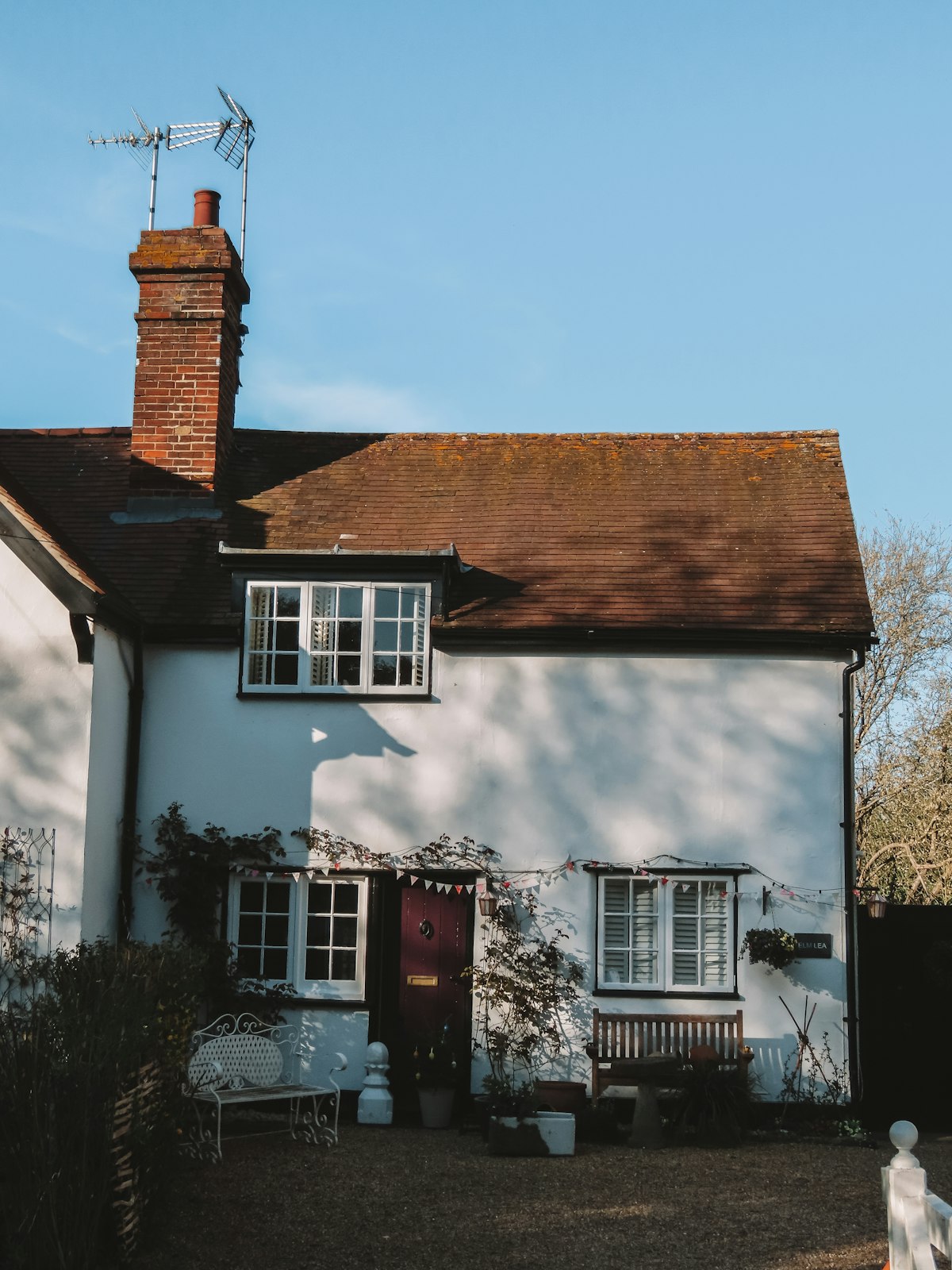
Daylight Requirements in Braintree District Council
How daylight and sunlight are assessed for planning across Braintree District, including the two-part North Essex and Braintree Local Plan, the design and amenity policies that apply, the Essex Design Guide, and how BRE BR 209 fits in.
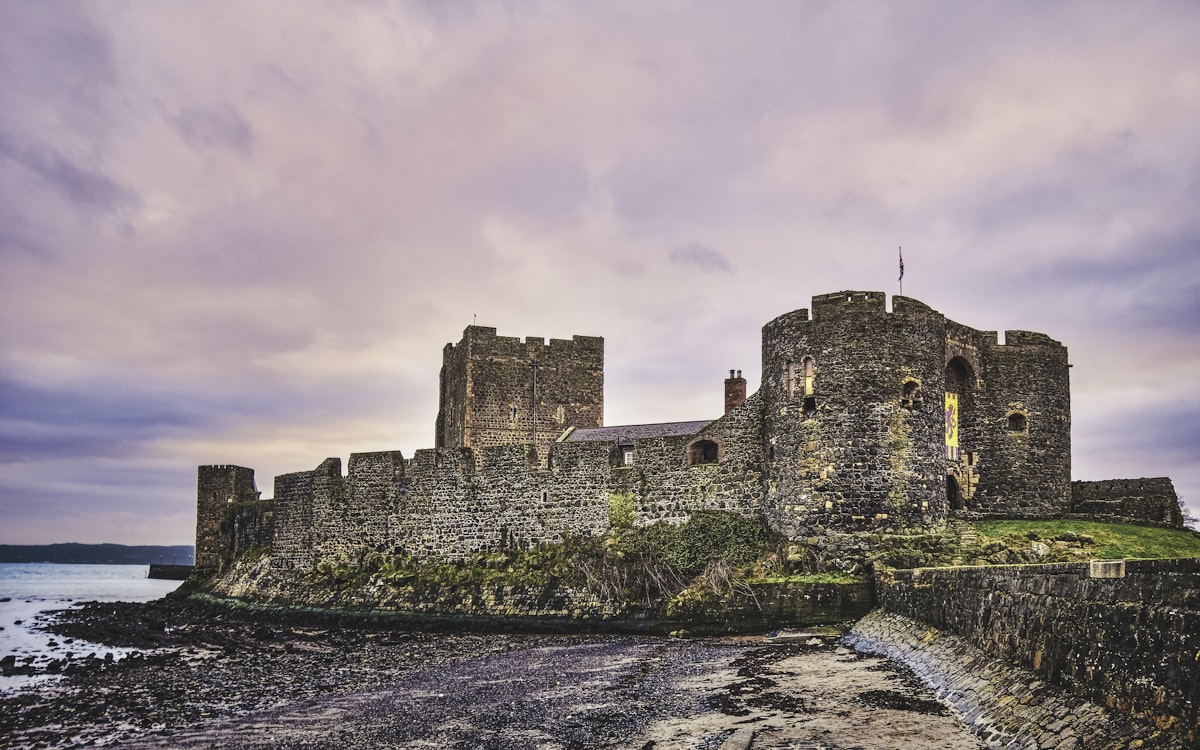
Daylight Requirements in Mid and East Antrim
Daylight requirements in Mid and East Antrim are governed by the adopted Local Development Plan 2030 Plan Strategy. We explain Policy GP1, the Appendix G 45 and 60 degree daylight test, and how BRE BR 209 reports support applications in Ballymena, Larne and Carrickfergus.
Daylight Requirements in Mid Ulster
Daylight and sunlight in Mid Ulster planning explained: the emerging LDP 2030, the legacy area plans still in force across Cookstown, Dungannon and Magherafelt, retained PPS 7 and Creating Places, and BRE BR 209 assessment.
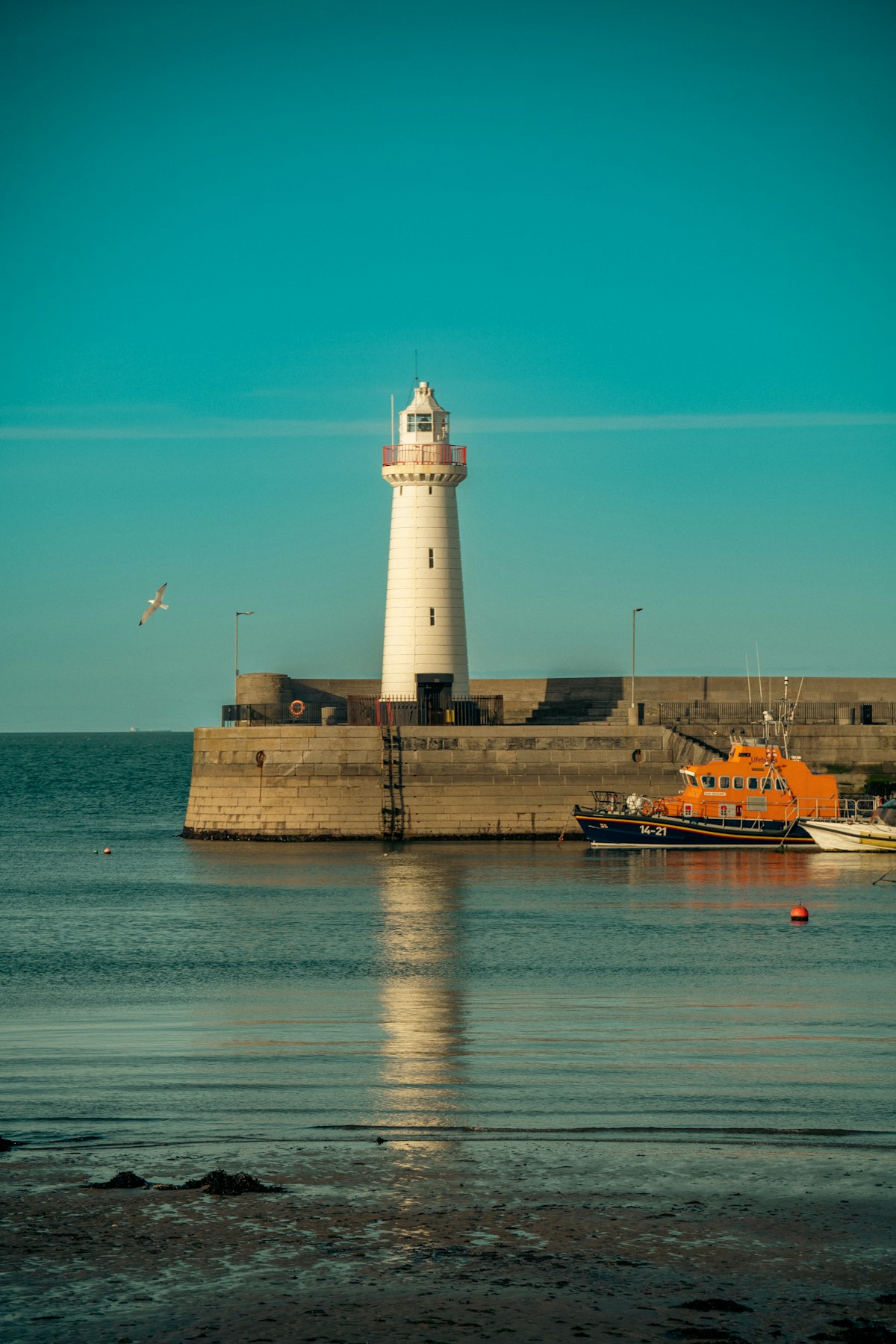
Daylight Requirements in Ards and North Down
A clear guide to daylight requirements in Ards and North Down: where the LDP 2032 Plan Strategy has reached, the extant area plans and retained PPS 7 / Creating Places amenity standards, and BRE BR 209 daylight assessment.
Daylight Requirements in Lisburn and Castlereagh
Daylight requirements in Lisburn and Castlereagh are now governed by the council's adopted Local Development Plan 2032 Plan Strategy. We explain Policy HOU8, the SPPS and how BRE BR 209 daylight and sunlight assessments support applications in the district.
Daylight Requirements in Derry City and Strabane
A practical guide to daylight and sunlight in Derry City and Strabane planning, covering the adopted LDP 2032 Plan Strategy, retained PPS 7 and Creating Places, and BRE BR 209 assessment for the walled city and beyond.
Daylight Requirements in Antrim and Newtownabbey
A practical guide to daylight requirements in Antrim and Newtownabbey: the borough's newly adopted LDP 2030 Plan Strategy, retained PPS 7 and Creating Places amenity standards, and BRE BR 209 daylight assessment.
Daylight Requirements in Newry, Mourne and Down
A practical guide to daylight and sunlight in Newry, Mourne and Down: the council's emerging Local Development Plan 2035 draft Plan Strategy, the retained SPPS and PPS 7 framework that still governs decisions, and the BRE BR 209 (2022) method.
Daylight Requirements in Armagh City, Banbridge and Craigavon
Understanding daylight requirements in Armagh City, Banbridge and Craigavon: how PPS 7, the Creating Places design guide and the SPPS govern residential amenity, overshadowing and overlooking while the borough's Local Development Plan is prepared.
Daylight Requirements in Fermanagh and Omagh
How daylight and sunlight are assessed in Fermanagh and Omagh: the adopted Local Development Plan 2030 Plan Strategy, retained SPPS and PPS 7 design policy, and the BRE BR 209 (2022) method used in supporting reports.

Daylight Requirements in Causeway Coast and Glens
How daylight and sunlight are assessed in planning across Causeway Coast and Glens, from the retained Northern Area Plan 2016 and PPS 7 to BRE BR 209, with practical guidance for Coleraine, Ballymoney and Limavady applicants.

Daylight Requirements in Belfast
Understanding daylight requirements in Belfast: how the adopted LDP Plan Strategy 2035, retained PPS 7 and Creating Places, and the BRE BR 209 method shape daylight and sunlight assessment across the city.
Daylight Requirements in Carmarthenshire
A practical guide to daylight requirements in Carmarthenshire: how the adopted LDP, Policy GP1, Policy GP6 and the Welsh planning framework treat daylight, sunlight, overshadowing and privacy for residential development.

Daylight Requirements in Neath Port Talbot
A clear guide to daylight and sunlight in Neath Port Talbot, covering the adopted LDP, Policy BE1, the council's Design SPG separation distances, Planning Policy Wales and BRE BR 209.
Daylight Requirements in Monmouthshire
A practical guide to daylight and sunlight in Monmouthshire, covering the adopted Local Development Plan, Planning Policy Wales and the BRE BR 209 methodology for householders, architects and developers.
Daylight Requirements in Torfaen
A practical guide to daylight requirements in Torfaen, covering Cwmbran, Pontypool and Blaenavon. Explains the adopted Local Development Plan, the House Extension and Alterations guidance with its 25-degree daylight test, and the BRE methodology behind a sound planning applicatio
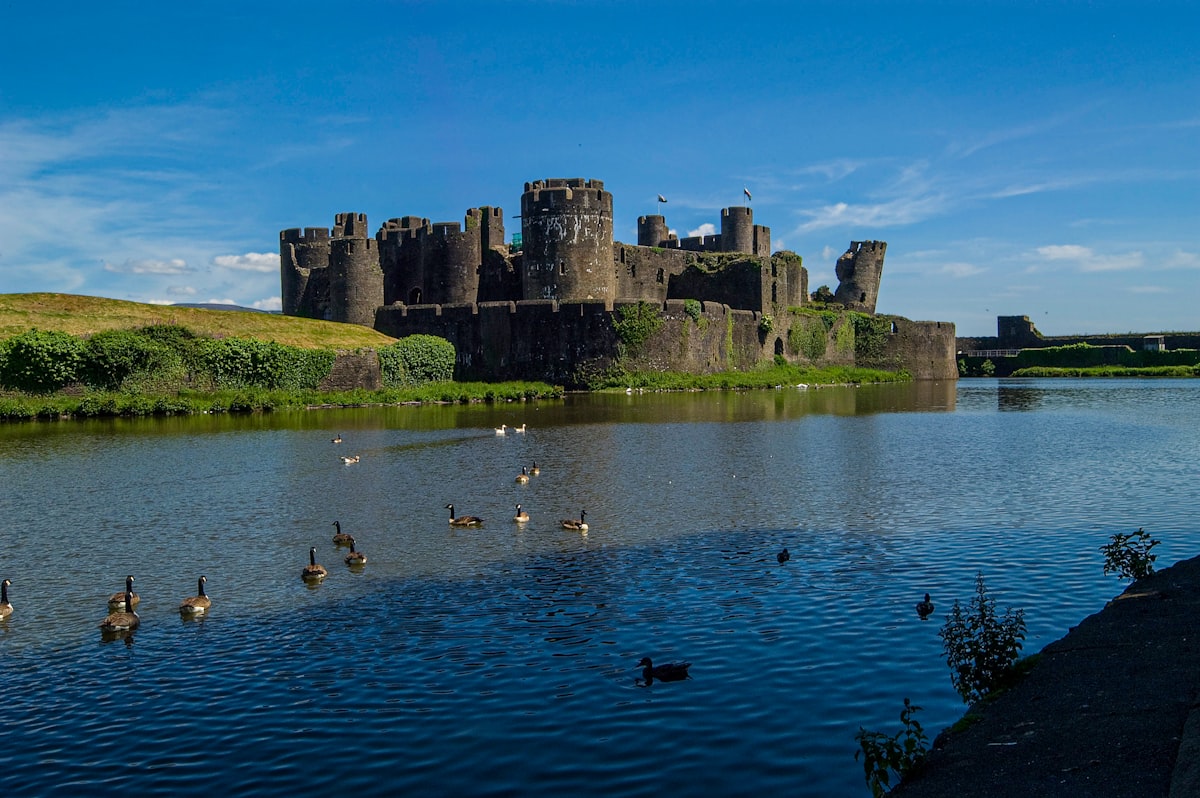
Daylight Requirements in Caerphilly
A clear guide to daylight requirements in Caerphilly: how the adopted LDP, Policy CW2 and the council's Householder SPG (LDP7) treat daylight, sunlight, overshadowing and privacy for residential development.

Daylight Requirements in Wrexham
How daylight and sunlight are assessed in Wrexham (Wrecsam) following the 2025 quashing of the LDP, covering the reinstated Unitary Development Plan, the council's 45-degree test, separation distances and BRE methodology.
Daylight Requirements in Merthyr Tydfil
How daylight and sunlight are assessed in Merthyr Tydfil under the Replacement LDP 2016-2031, Planning Policy Wales and BRE BR 209, with practical guidance for householders and developers in the Valleys.
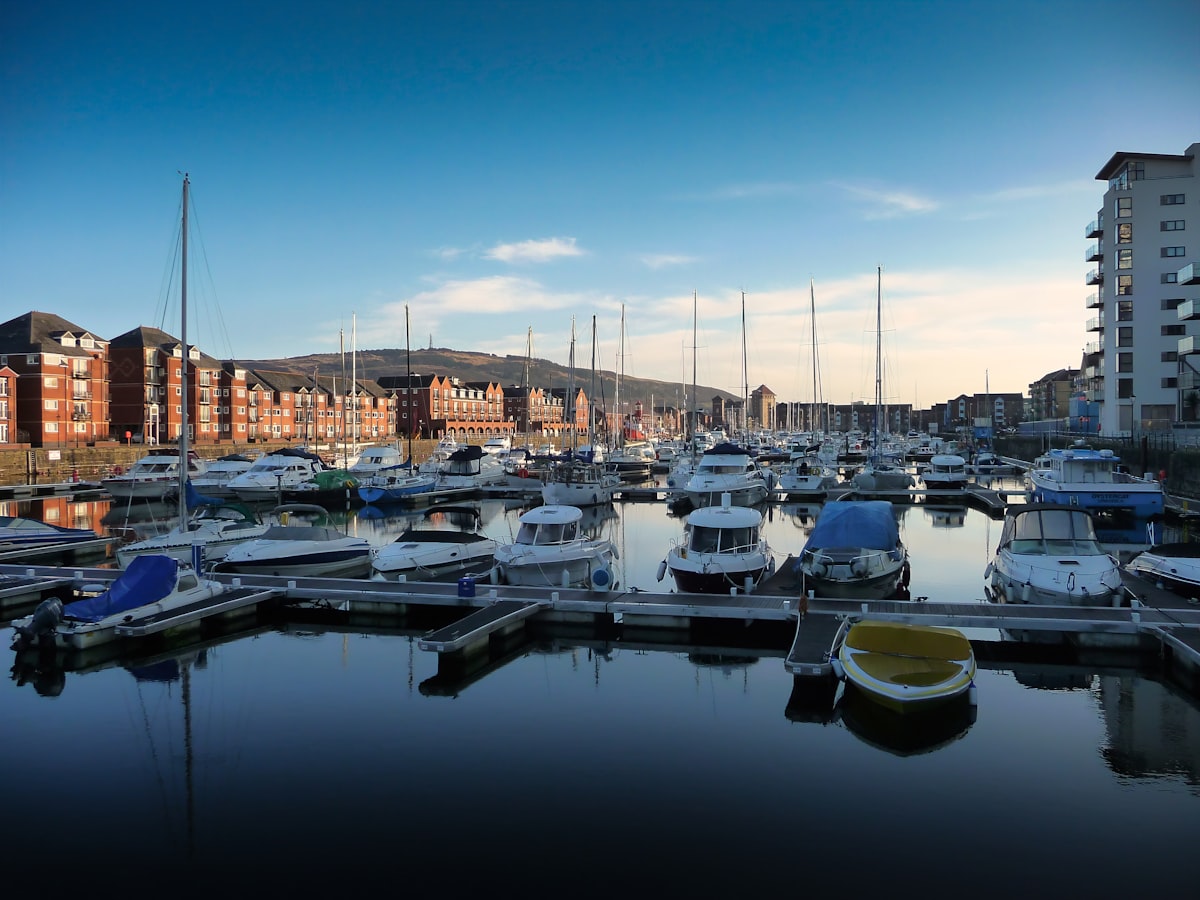
Daylight Requirements in Swansea
A detailed guide to daylight requirements in Swansea, from the dense terraces of the inner city to the tall buildings of the Maritime Quarter and SA1. Covers the adopted Local Development Plan, placemaking guidance and the BRE daylight methodology used to support planning applica
Daylight Requirements in Bridgend
A practical guide to daylight requirements in Bridgend: how the Replacement LDP 2018-2033, Policy SP3 and the council's Householder SPG treat daylight, sunlight and overshadowing for residential development.
Daylight Requirements in Vale of Glamorgan
How daylight and sunlight are assessed in the Vale of Glamorgan, covering the adopted LDP 2011-2026, the council's Residential and Householder SPG, the 21-metre rule and BRE daylight methodology for Barry, Penarth and Cowbridge.
Daylight Requirements in Rhondda Cynon Taf
Understanding daylight requirements in Rhondda Cynon Taf, where steep valley terraces shape every amenity assessment. A practical guide to the adopted Local Development Plan, householder design guidance and the BRE daylight methodology used to support planning applications.
Daylight Requirements in Powys
Understanding daylight requirements in Powys: how the adopted Local Development Plan (2018), its Residential Design guidance and the Welsh planning framework treat daylight and sunlight across Brecon, Newtown and Welshpool, with practical advice and BRE-based reports.
Daylight Requirements in Flintshire
An accurate guide to daylight requirements in Flintshire (Sir y Fflint), covering the adopted Local Development Plan 2015-2030, Policies PC2, PC3 and STR4, the council's Space Around Dwellings and extensions guidance, and how a BRE-based daylight and sunlight report supports plan
Daylight Requirements in Pembrokeshire
A clear guide to daylight requirements in Pembrokeshire (Sir Benfro): how the adopted Local Development Plan and the Welsh planning framework treat daylight and sunlight in Haverfordwest, Pembroke and the wider county, plus practical advice and BRE-based reports.

Daylight Requirements in Denbighshire
An accurate guide to daylight requirements in Denbighshire (Sir Ddinbych), covering the adopted Local Development Plan, Policy RD 1, the council's residential design guidance, and how a BRE-based daylight and sunlight report supports planning in Rhyl, Denbigh and Ruthin.
Daylight Requirements in Newport
How daylight requirements in Newport are assessed under the adopted Local Development Plan, the council's House Extensions guidance, and the Welsh planning framework — with practical advice for applicants and a guide to BRE-based daylight and sunlight reports.
Daylight Requirements in Ceredigion
A practical guide to daylight requirements in Ceredigion, covering the adopted Local Development Plan, the council's Built Environment and Design guidance, the 45-degree rule and separation distances, and how a BRE-based daylight and sunlight report supports your application in A
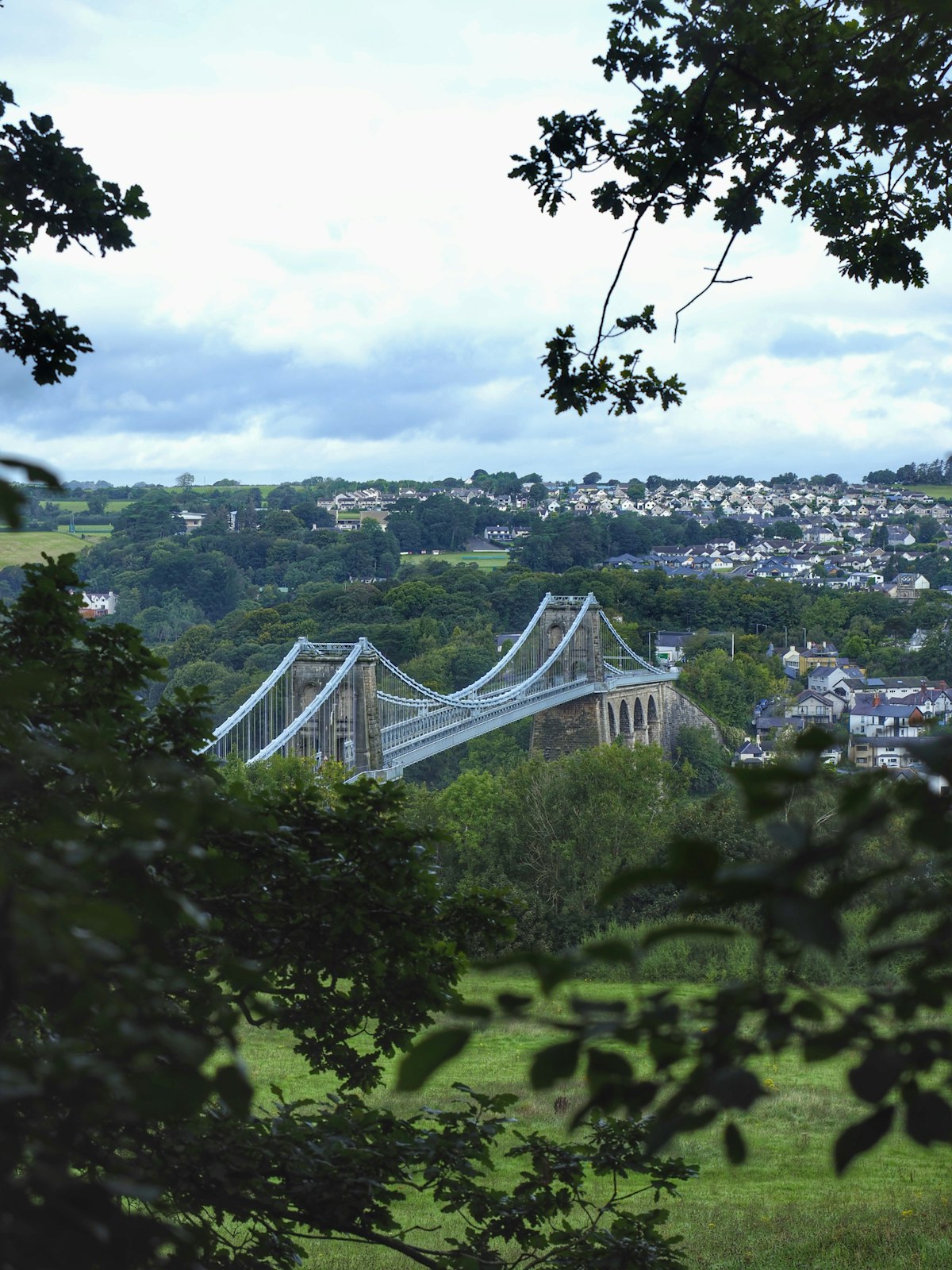
Daylight Requirements in the Isle of Anglesey
A practical guide to daylight requirements in the Isle of Anglesey (Ynys Mon): how the adopted Joint Anglesey and Gwynedd Local Development Plan, Planning Policy Wales and BRE BR 209 govern daylight and sunlight for development in Llangefni, Holyhead and across the island.
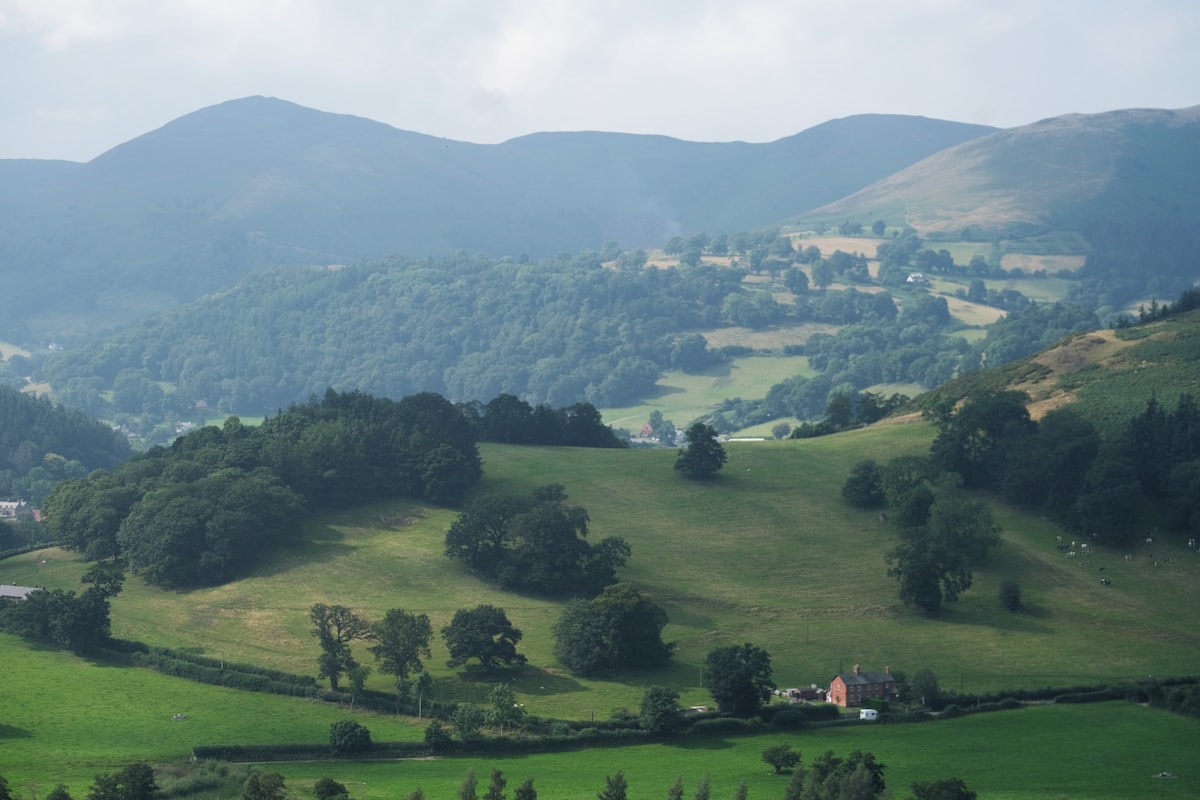
Daylight Requirements in Blaenau Gwent
A clear guide to daylight requirements in Blaenau Gwent, covering the adopted Local Development Plan, Welsh national planning policy and how BRE BR 209 (2022) daylight and sunlight assessments support amenity in the valleys.
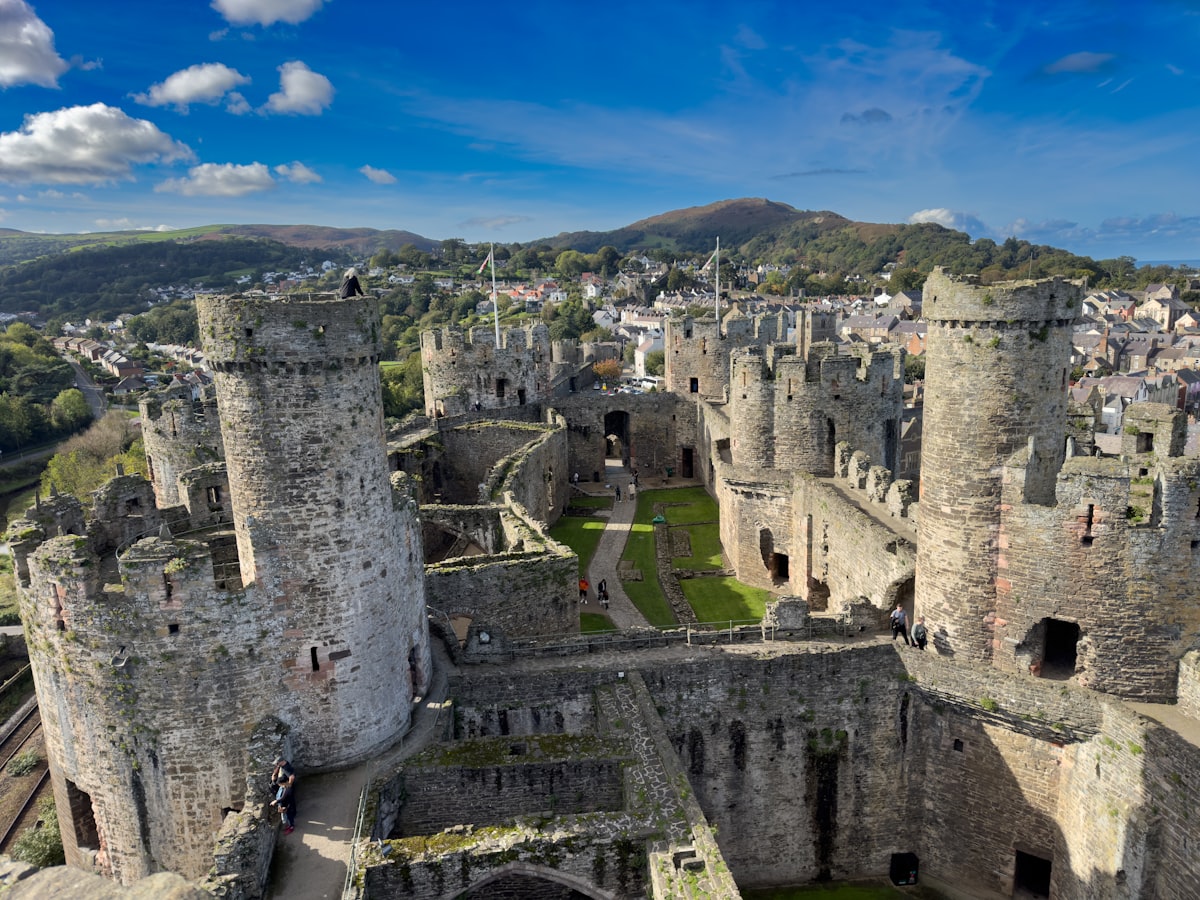
Daylight Requirements in Conwy
Understanding daylight requirements in Conwy: how the adopted Conwy Local Development Plan, the Householder Design Guide and Welsh national planning policy shape daylight and sunlight assessment for development in Llandudno, Colwyn Bay and beyond.
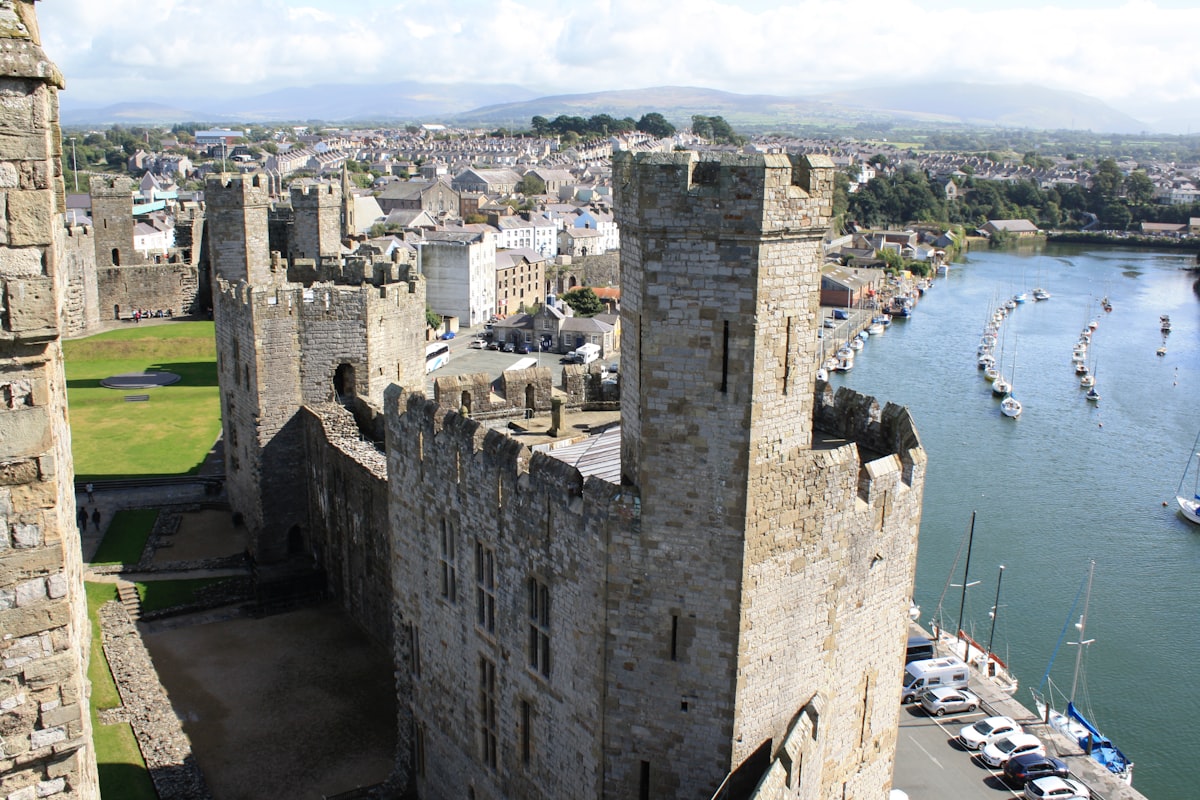
Daylight Requirements in Gwynedd
Understanding daylight requirements in Gwynedd: how the adopted Joint Anglesey and Gwynedd Local Development Plan, Planning Policy Wales and BRE BR 209 shape daylight and sunlight assessment for development in Caernarfon, Bangor, Pwllheli and beyond.
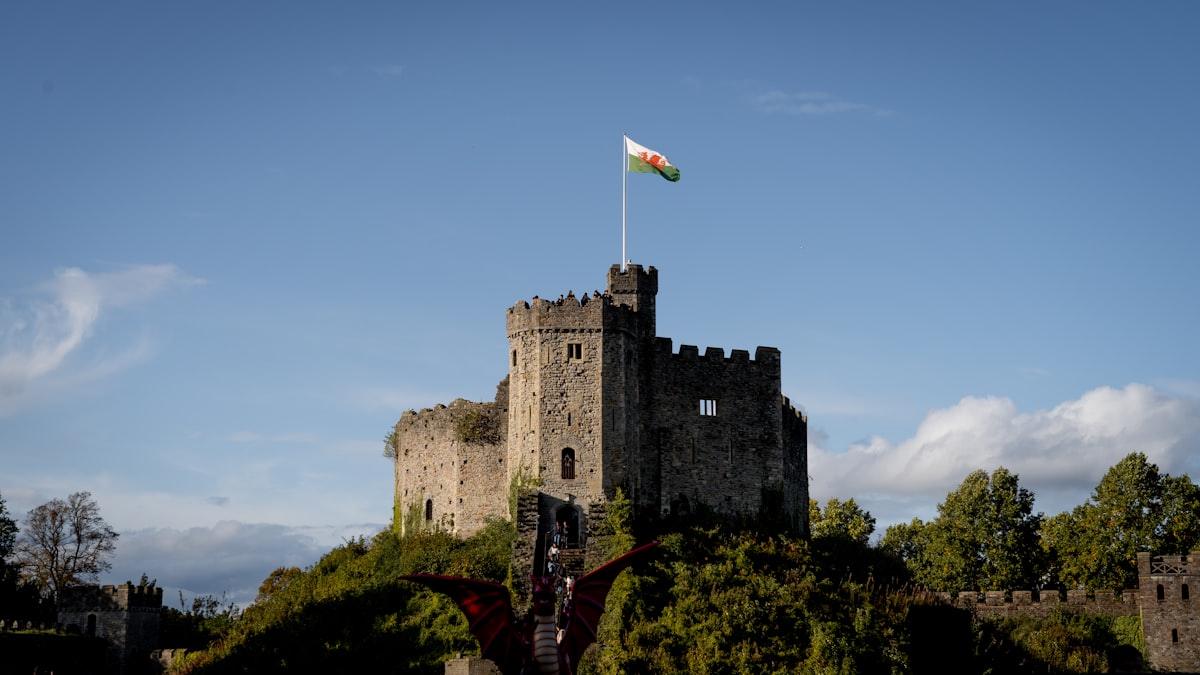
Daylight Requirements in Cardiff
How daylight and sunlight are assessed in Cardiff planning applications, from the adopted LDP and Infill Sites SPG to the BRE 25-degree and 45-degree rules, plus practical advice for dense Victorian terraces, infill plots and Cardiff Bay schemes.
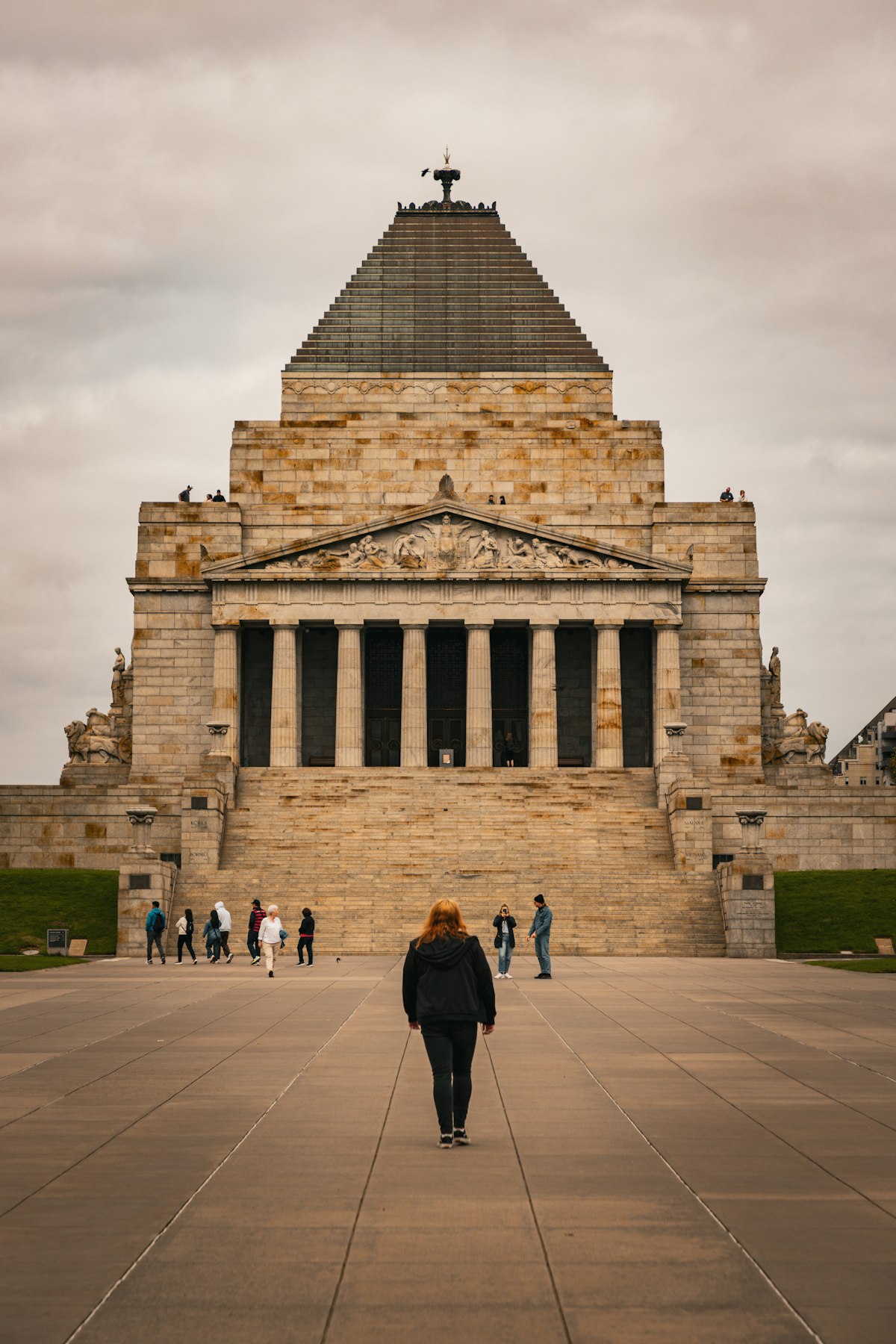
Daylight Requirements in West Lothian
A practical guide to the daylight requirements in West Lothian for planning, covering the adopted Local Development Plan 2018, the Residential Development Guide separation distances, NPF4 and how BRE BR 209 (2022) applies in Livingston, Bathgate and Linlithgow.
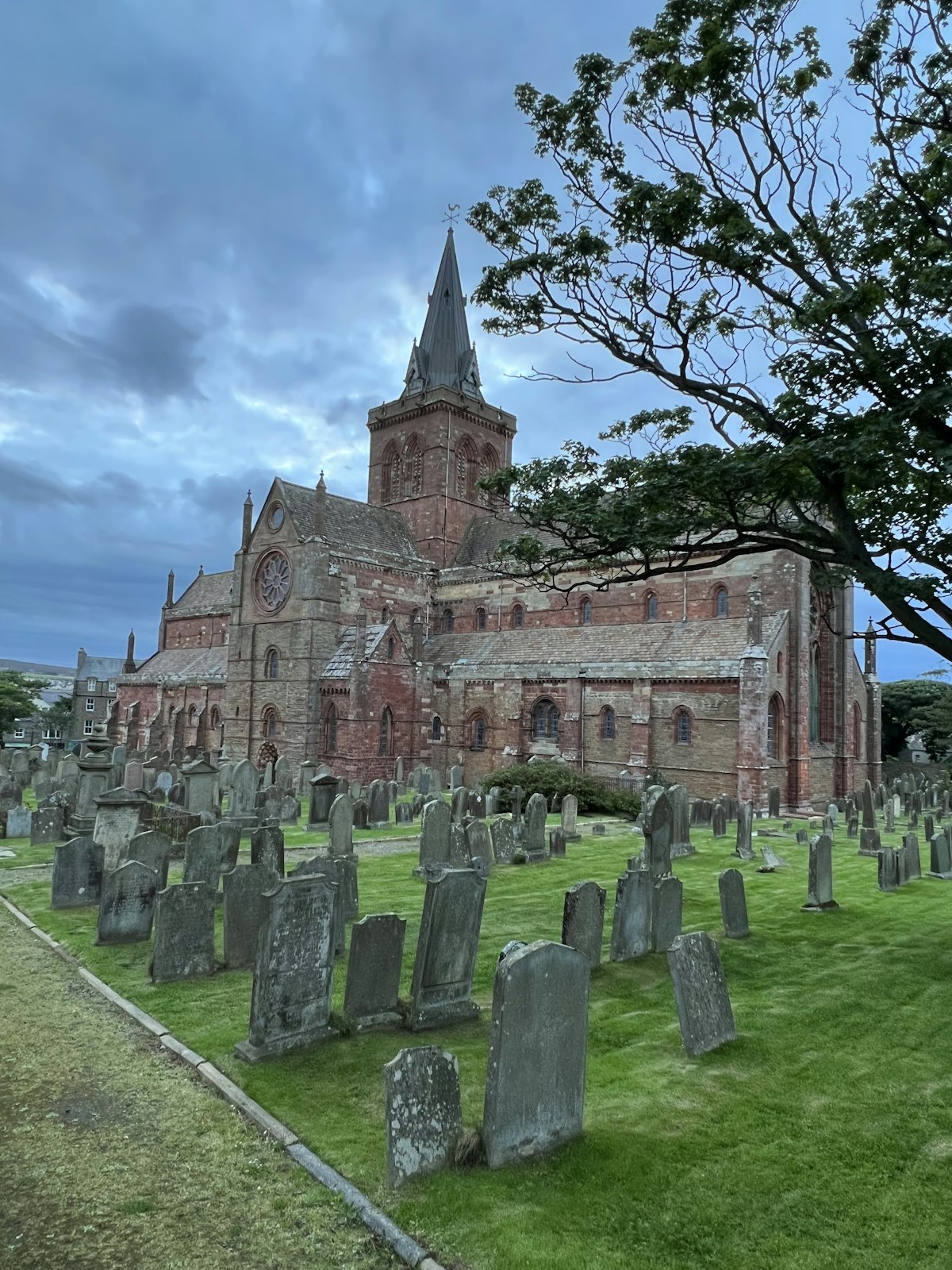
Daylight Requirements in Orkney Islands
How daylight and sunlight are assessed in Orkney planning applications, from the adopted Orkney Local Development Plan 2017 design and amenity policies to NPF4 and BRE BR 209 best practice across Kirkwall, Stromness and the isles.
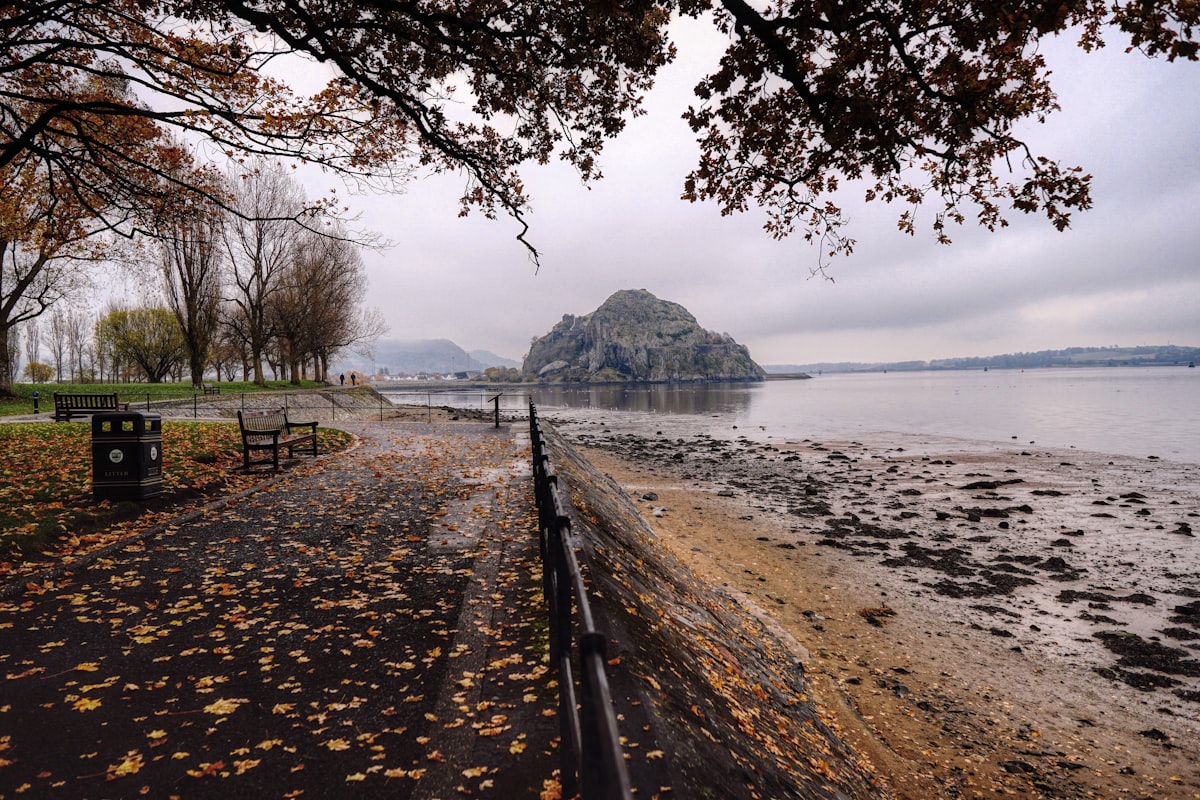
Daylight Requirements in West Dunbartonshire
A practical guide to the daylight requirements in West Dunbartonshire for planning, covering the adopted West Dunbartonshire Local Plan, the emerging LDP2, NPF4 and how BRE BR 209 (2022) is applied across Dumbarton, Clydebank and Alexandria.
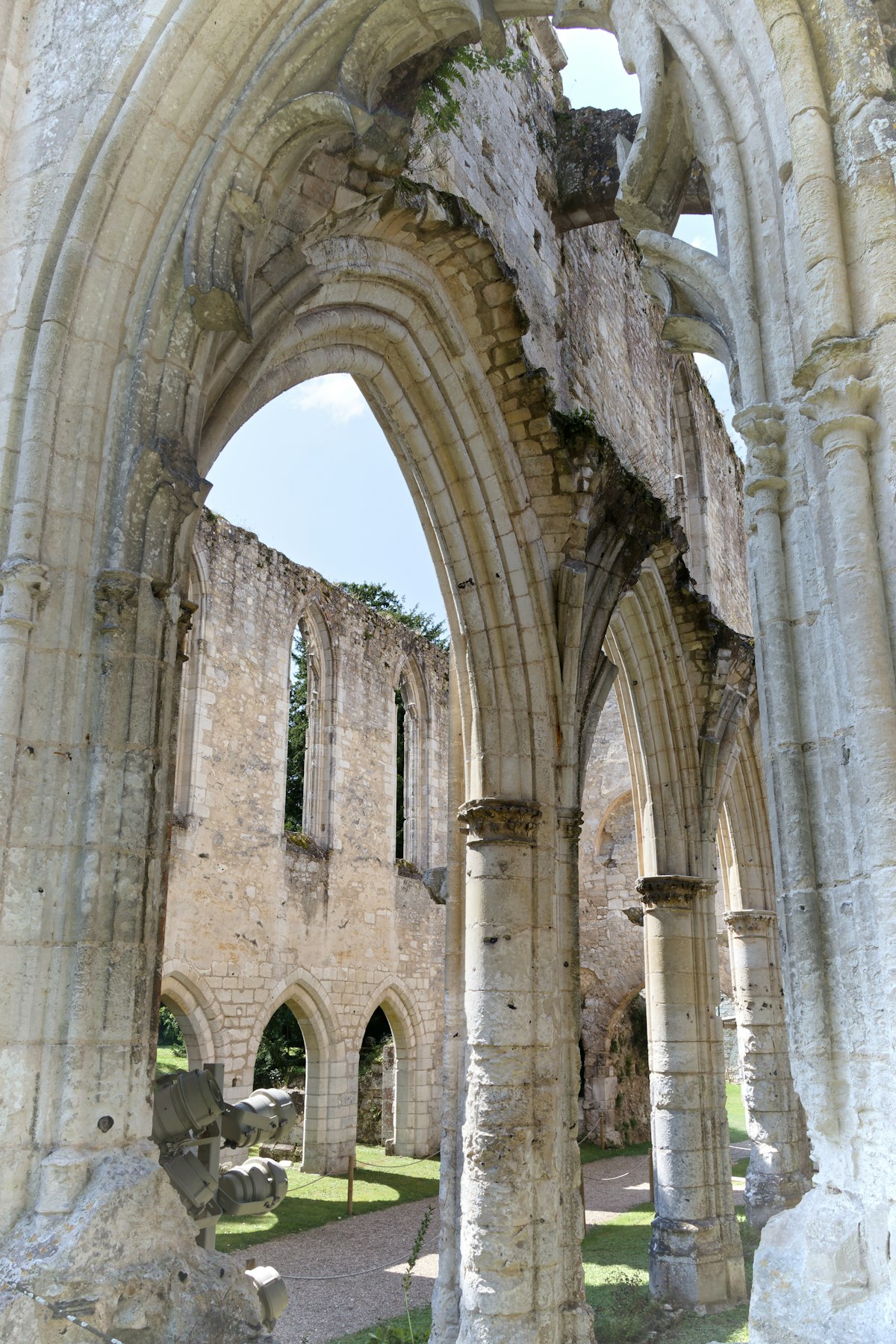
Daylight Requirements in Scottish Borders
A practical guide to daylight requirements in the Scottish Borders: how the adopted Local Development Plan 2 (2024), the Privacy and Sunlight Guide and NPF4 shape daylight and sunlight assessment in Galashiels, Hawick, Melrose and Peebles.
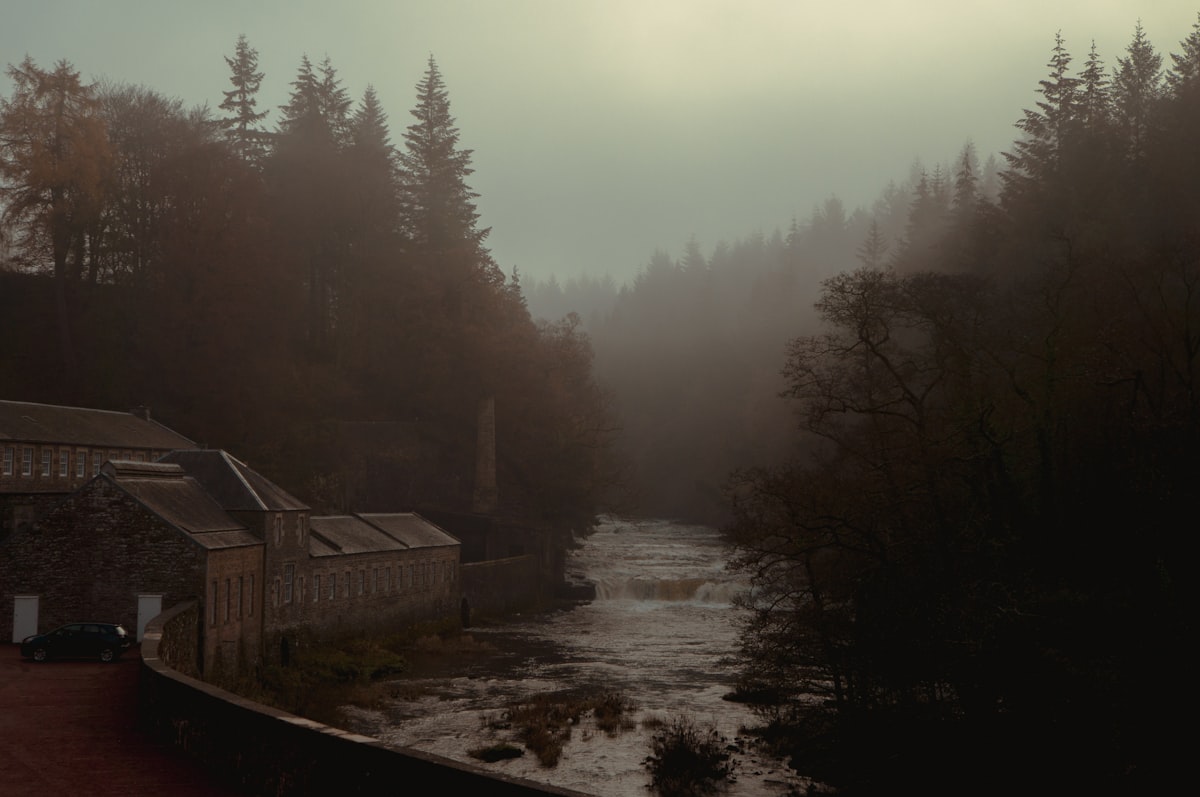
Daylight Requirements in South Lanarkshire
A practical guide to daylight and sunlight for planning in South Lanarkshire, covering the adopted LDP2 (2021), the council's Residential Design Guide, NPF4 and BRE methodology.
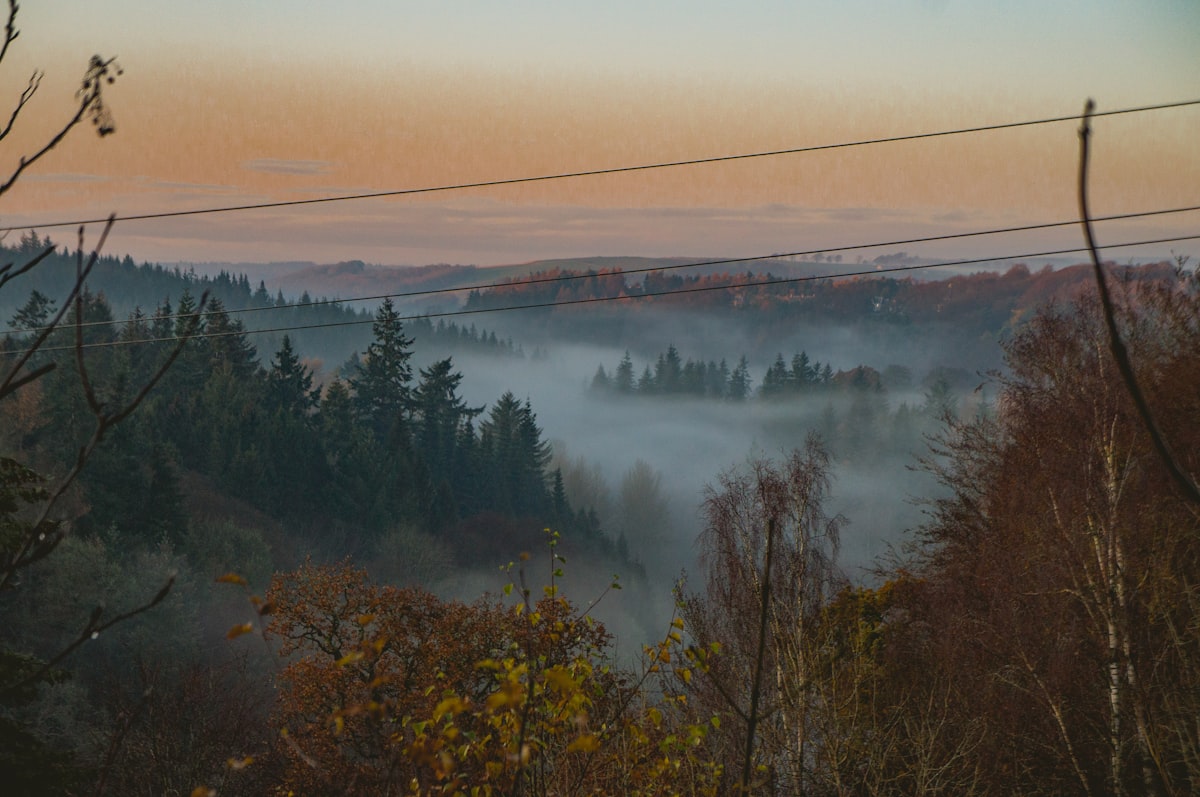
Daylight Requirements in North Lanarkshire
How daylight and sunlight are assessed in North Lanarkshire planning applications, from the adopted Local Development Plan Environmental and Design Quality policies to NPF4 and BRE BR 209 best practice across Motherwell, Cumbernauld, Airdrie and Coatbridge.
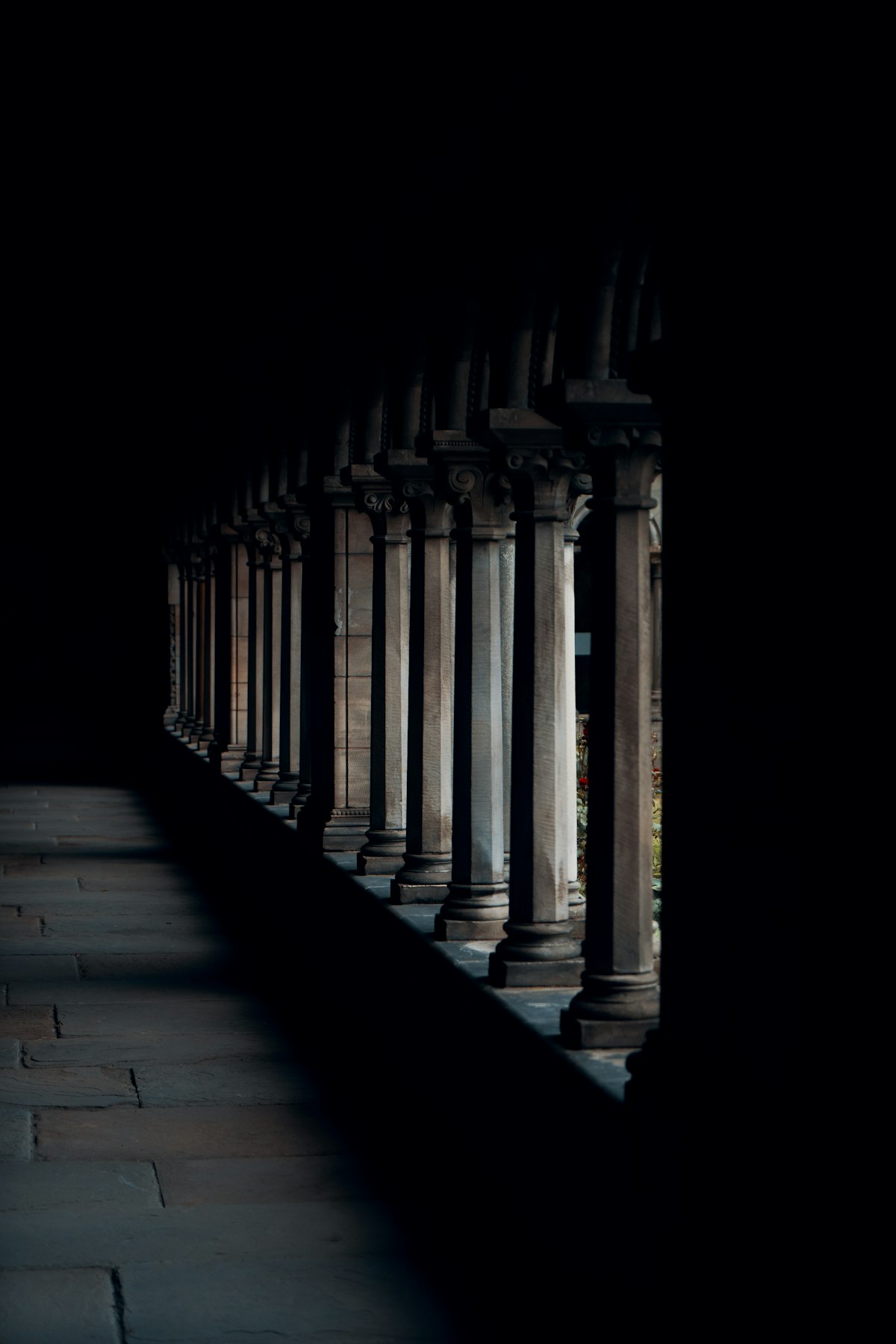
Daylight Requirements in Renfrewshire
A practical guide to daylight requirements in Renfrewshire: how the adopted Local Development Plan 2021, Renfrewshire's Places Design Guidance and NPF4 shape daylight and sunlight assessment in Paisley, Renfrew and Johnstone.
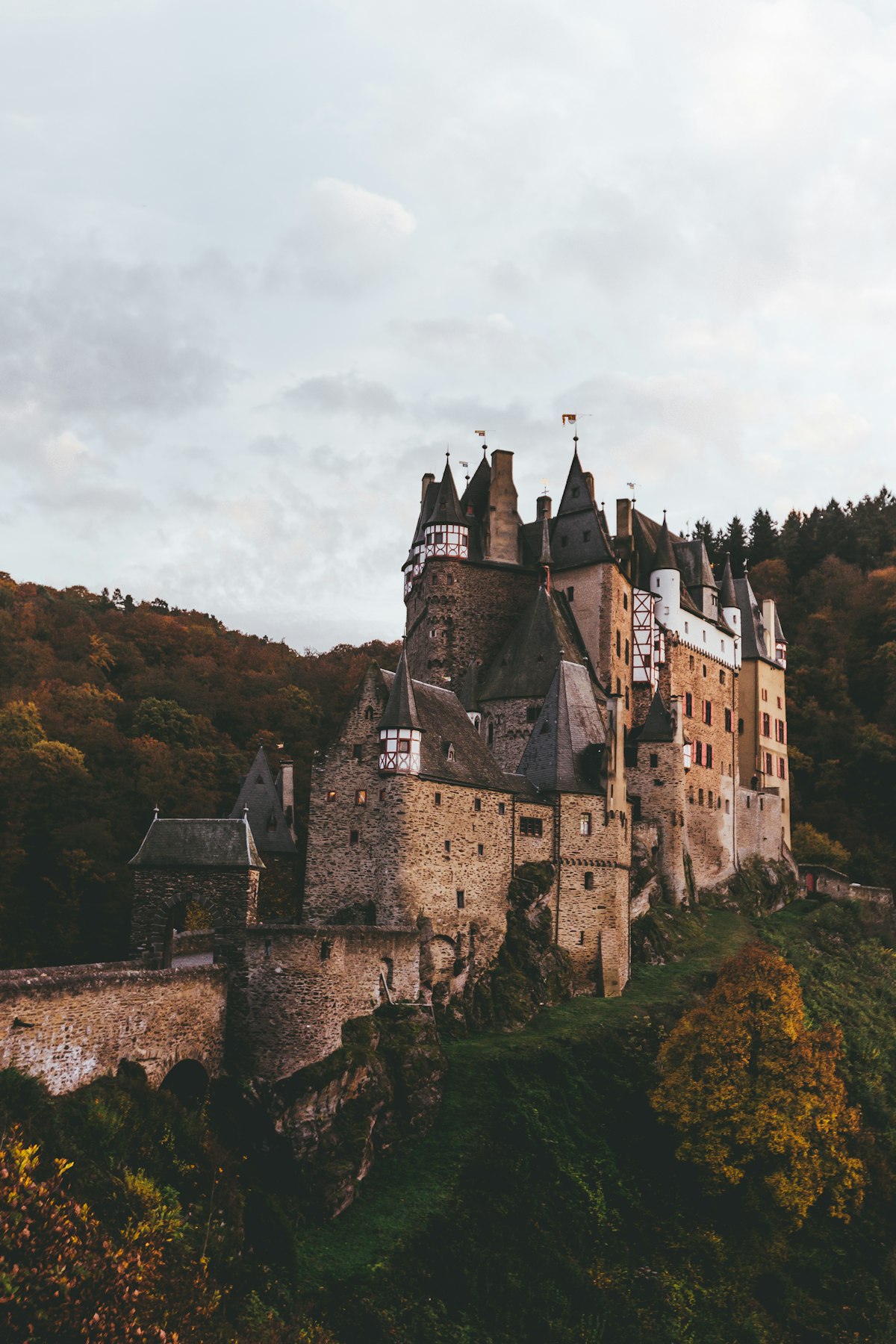
Daylight Requirements in Stirling
A practical guide to the daylight requirements in Stirling for planning, covering the adopted Stirling Local Development Plan 2018, its Placemaking guidance, NPF4 and how BRE BR 209 (2022) is applied, plus the separate National Park area around Callander.
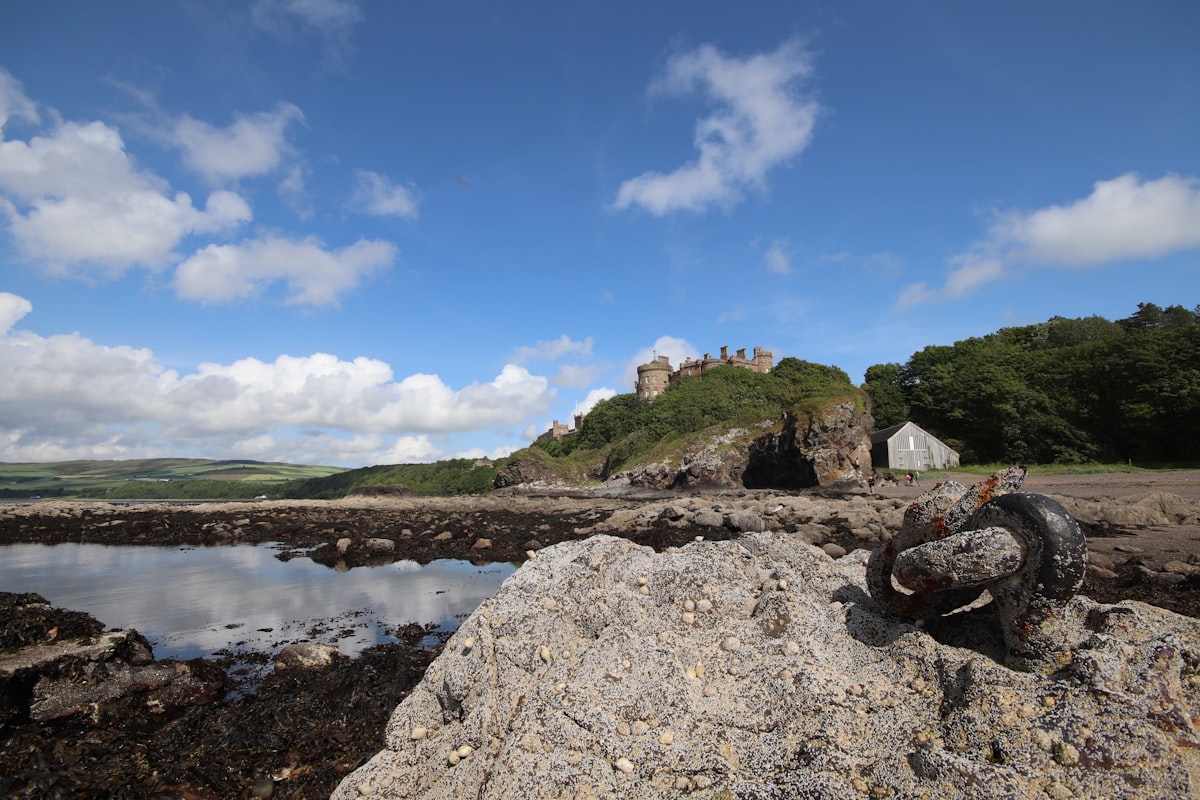
Daylight Requirements in South Ayrshire
A practical guide to daylight and sunlight for planning in South Ayrshire, covering the adopted LDP2 (2022), the council's House Alterations and Extensions guidance, NPF4 and BRE methodology.
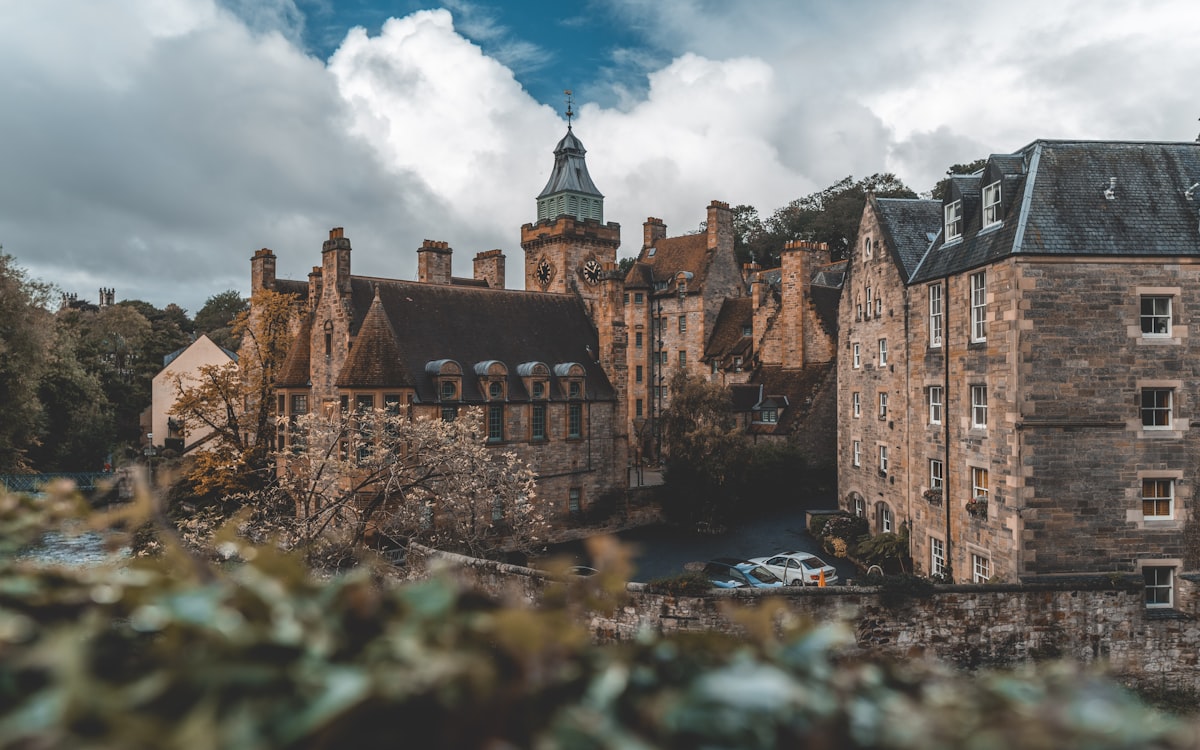
Daylight Requirements in Perth and Kinross
Understanding daylight requirements in Perth and Kinross: how the adopted Local Development Plan 2, the Placemaking guidance and NPF4 shape daylight and sunlight assessment for homes in Perth, Crieff and Blairgowrie.
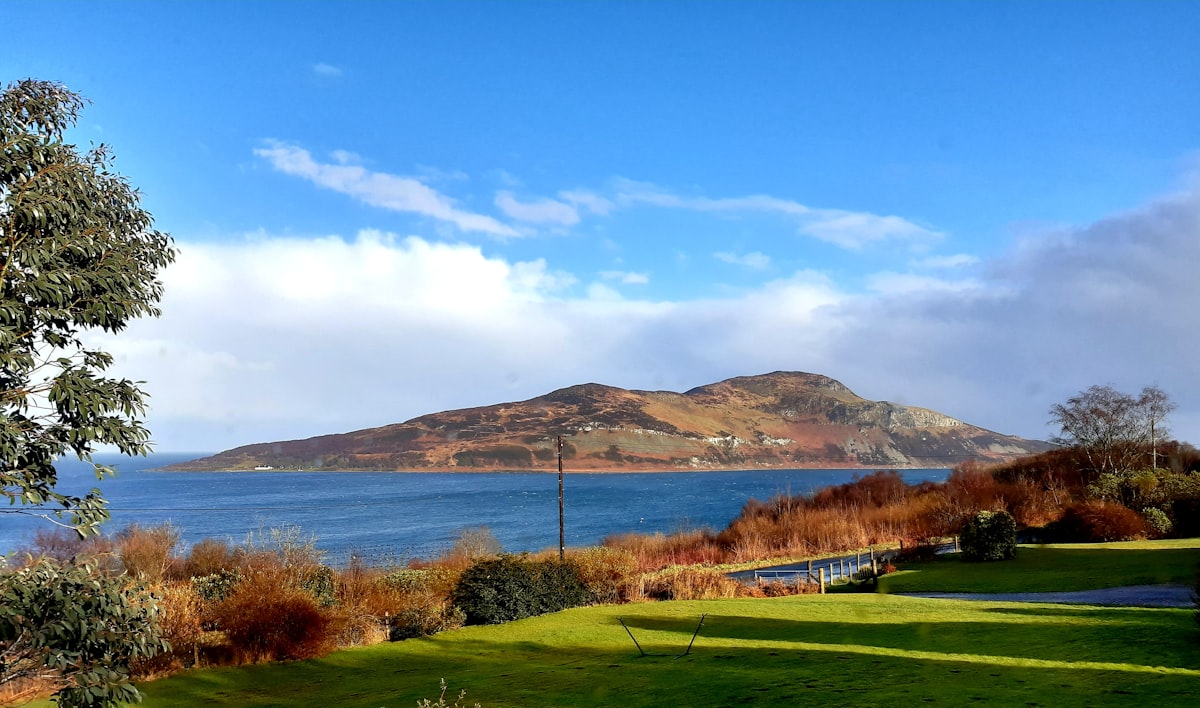
Daylight Requirements in North Ayrshire
How daylight and sunlight are assessed in North Ayrshire planning applications, from the adopted Local Development Plan 2 placemaking policy to NPF4 and BRE BR 209 best practice across Irvine, Saltcoats and Arran.
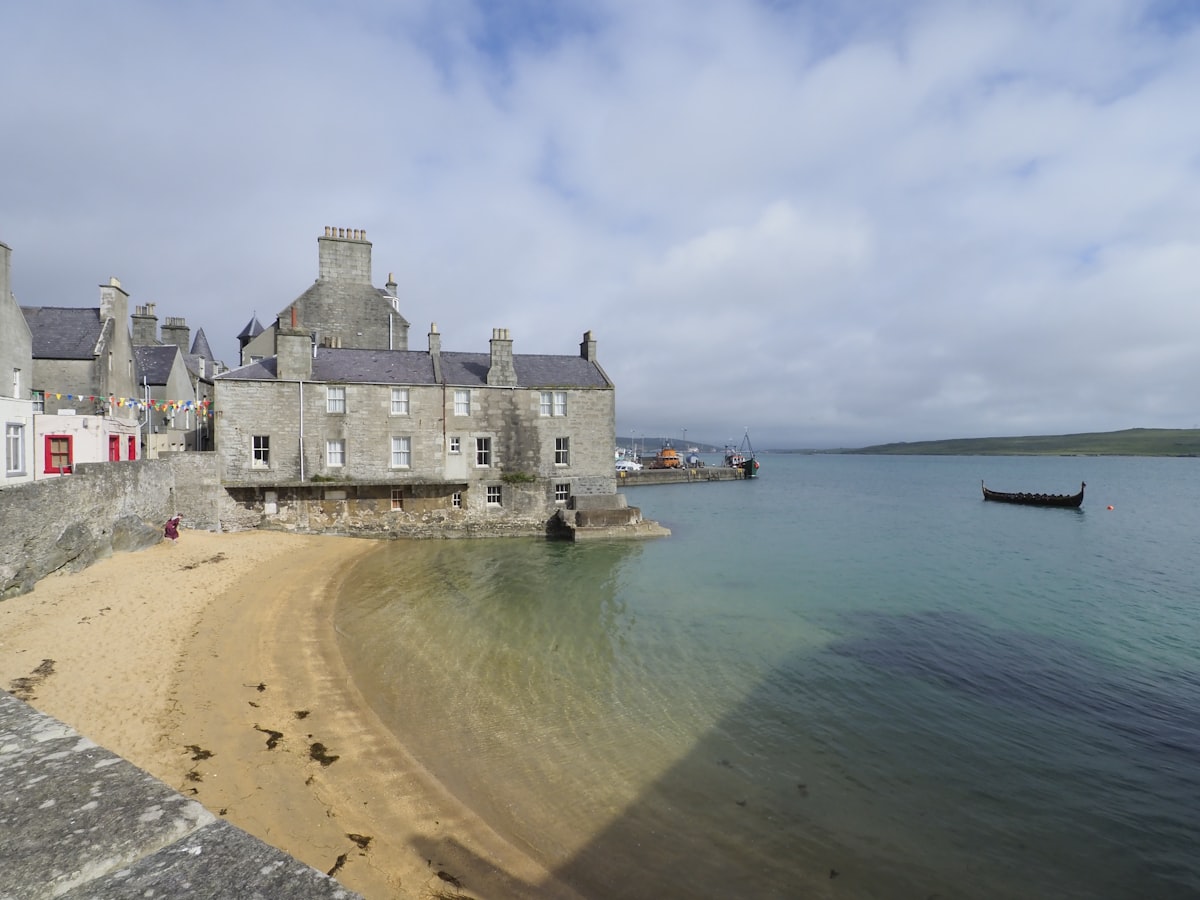
Daylight Requirements in Shetland Islands
How daylight and sunlight is assessed for planning in the Shetland Islands, from the Shetland LDP 2014 and council housing guidance to NPF4 and BRE methodology at 60 degrees north.
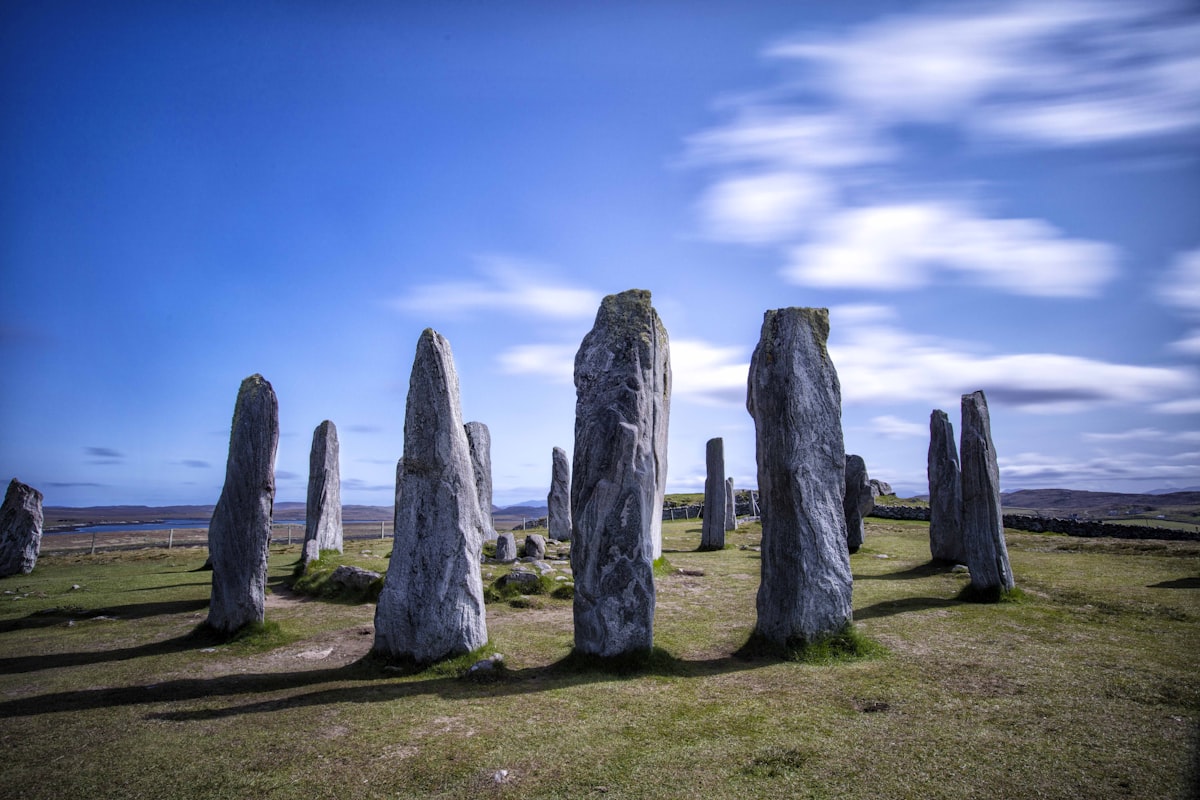
Daylight Requirements in Na h-Eileanan Siar
How daylight, sunlight and amenity are assessed in Na h-Eileanan Siar planning, from the Outer Hebrides Local Development Plan 2018 placemaking and compatibility policies, for projects in Stornoway and across the Western Isles.
Daylight Requirements in East Renfrewshire
How daylight and sunlight are assessed in East Renfrewshire planning, from LDP2 Policy D1 and the council's own 25 and 45 degree daylight tests to BRE best practice for projects in Giffnock, Newton Mearns and Barrhead.
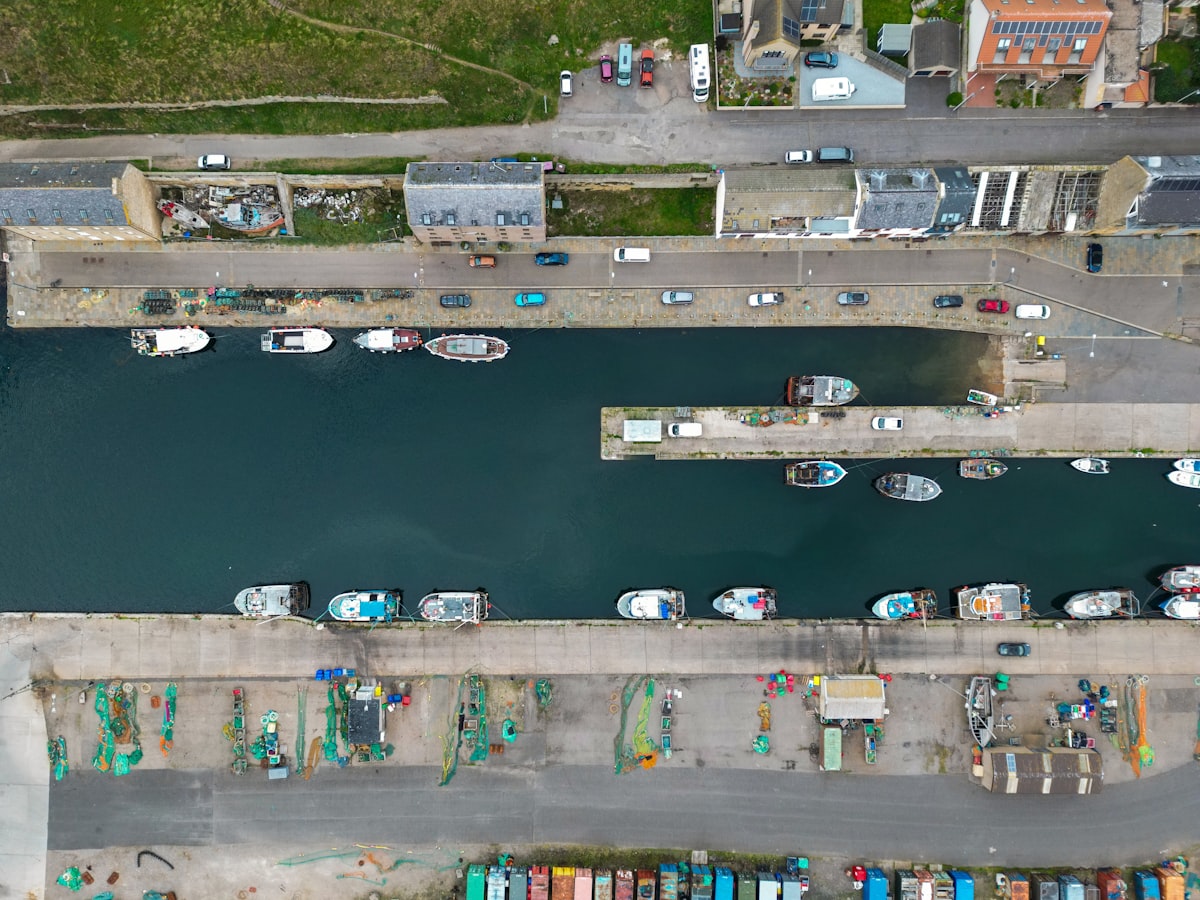
Daylight Requirements in Moray
How daylight and sunlight are assessed in Moray planning, from the Moray Local Development Plan 2020 placemaking and development principles policies to the council's privacy and daylight test, for projects in Elgin, Forres and Buckie.

Daylight Requirements in Inverclyde
A clear guide to daylight and sunlight requirements in Inverclyde, covering the adopted Local Development Plan 2, the Council's window intervisibility guidance, NPF4 and BRE BR 209 (2022) for sites in Greenock, Port Glasgow and Gourock.
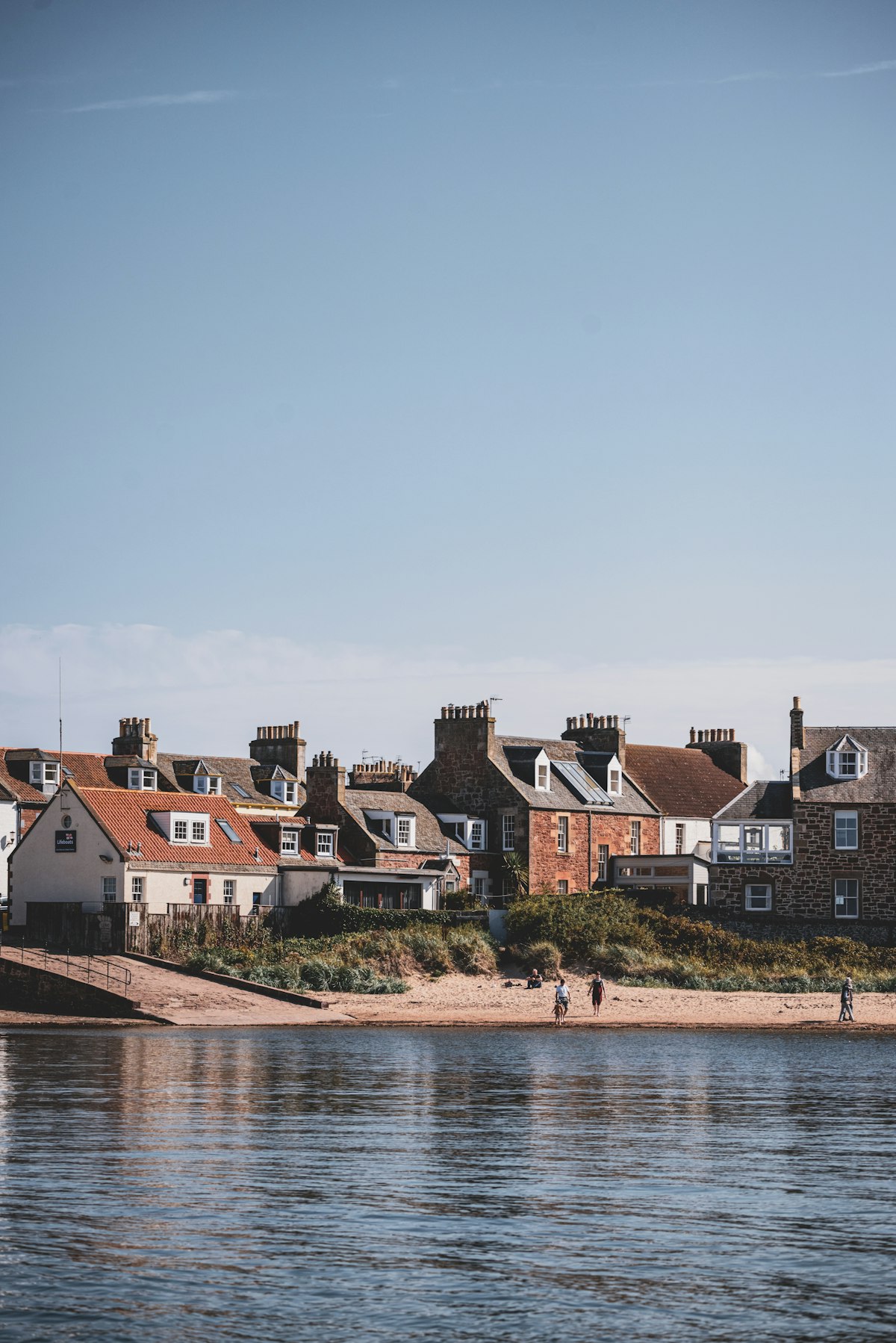
Daylight Requirements in East Lothian
A practical guide to daylight and sunlight in East Lothian planning: how the adopted LDP 2018 design policies, the Design Standards SPG and BRE best practice shape applications in Haddington, Musselburgh and North Berwick.

Daylight Requirements in Falkirk
A practical guide to daylight requirements in Falkirk, covering the council's adopted Local Development Plan 2 (LDP2), the placemaking and housing policies that protect amenity, NPF4, and how BRE BR 209 daylight and sunlight assessment supports a planning application.
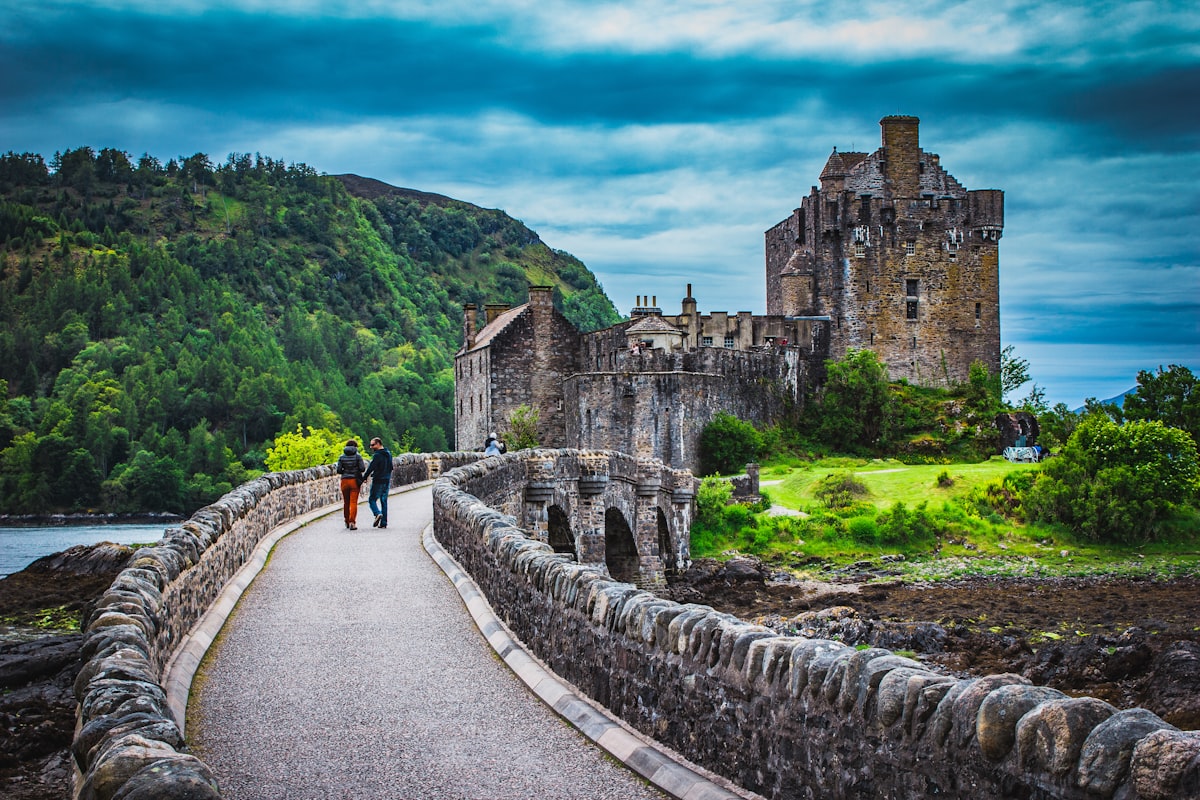
Daylight Requirements in Highland
A practical guide to daylight and sunlight requirements in the Highland Council area, covering the Highland-wide Local Development Plan, the area Local Development Plans for Inverness, Fort William and the wider Highlands, NPF4 and BRE BR 209 (2022).
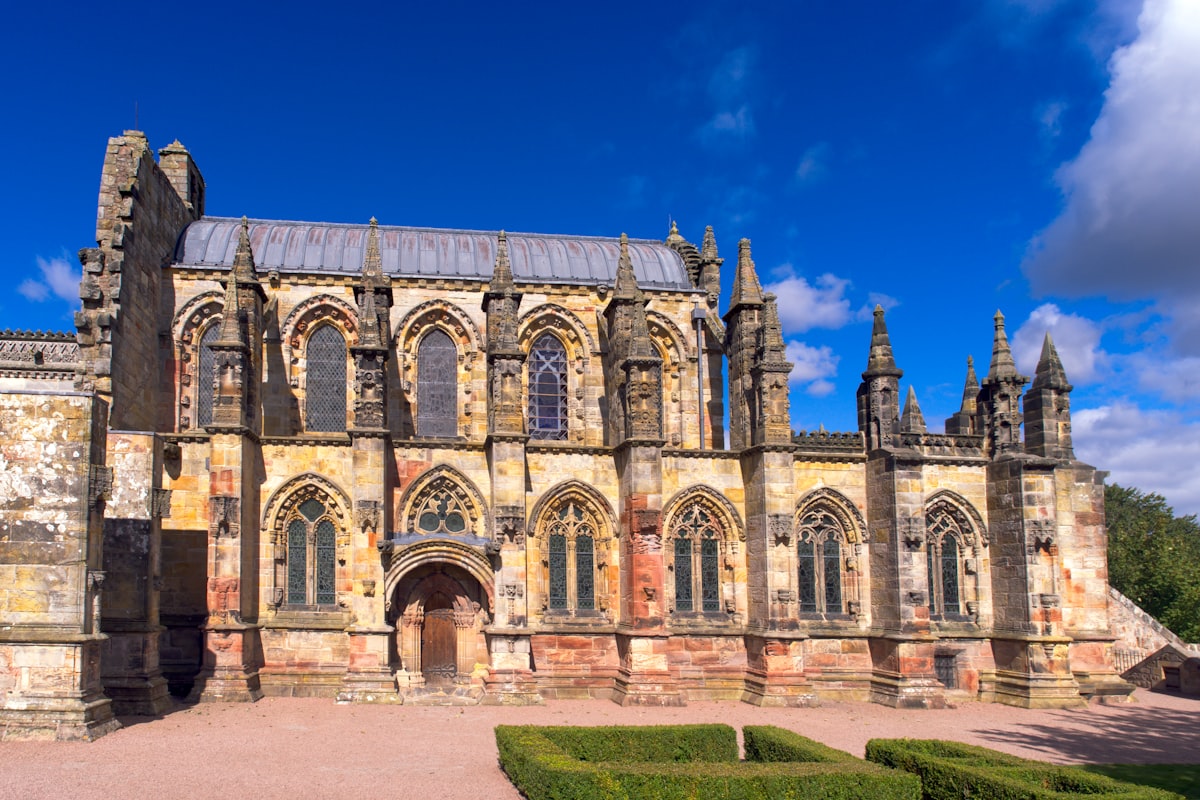
Daylight Requirements in Midlothian
How daylight and sunlight are assessed in Midlothian planning, from the Midlothian Local Development Plan 2017 design and amenity policies to the Quality of Place supplementary guidance, for projects in Dalkeith, Penicuik and Bonnyrigg.
Daylight Requirements in East Dunbartonshire
How daylight and sunlight are assessed in East Dunbartonshire planning, from the LDP2 design policy and the 18m privacy rule to the council's 25 and 45 degree daylight tests in Bearsden, Milngavie and Kirkintilloch.
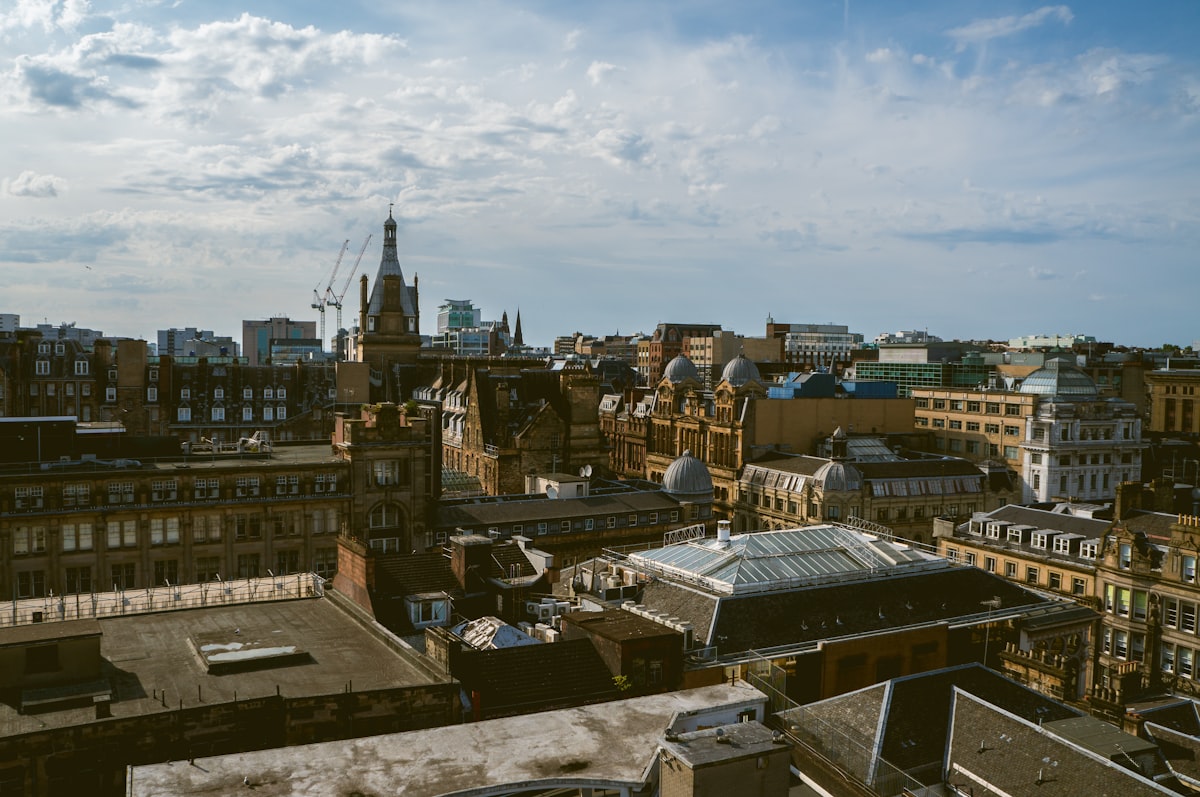
Daylight Requirements in Glasgow City
How daylight and sunlight are assessed in Glasgow City: the City Development Plan, SG1 Placemaking, the Tall Building Design Guide, NPF4 and BRE BR 209 (2022) explained for developers and homeowners.
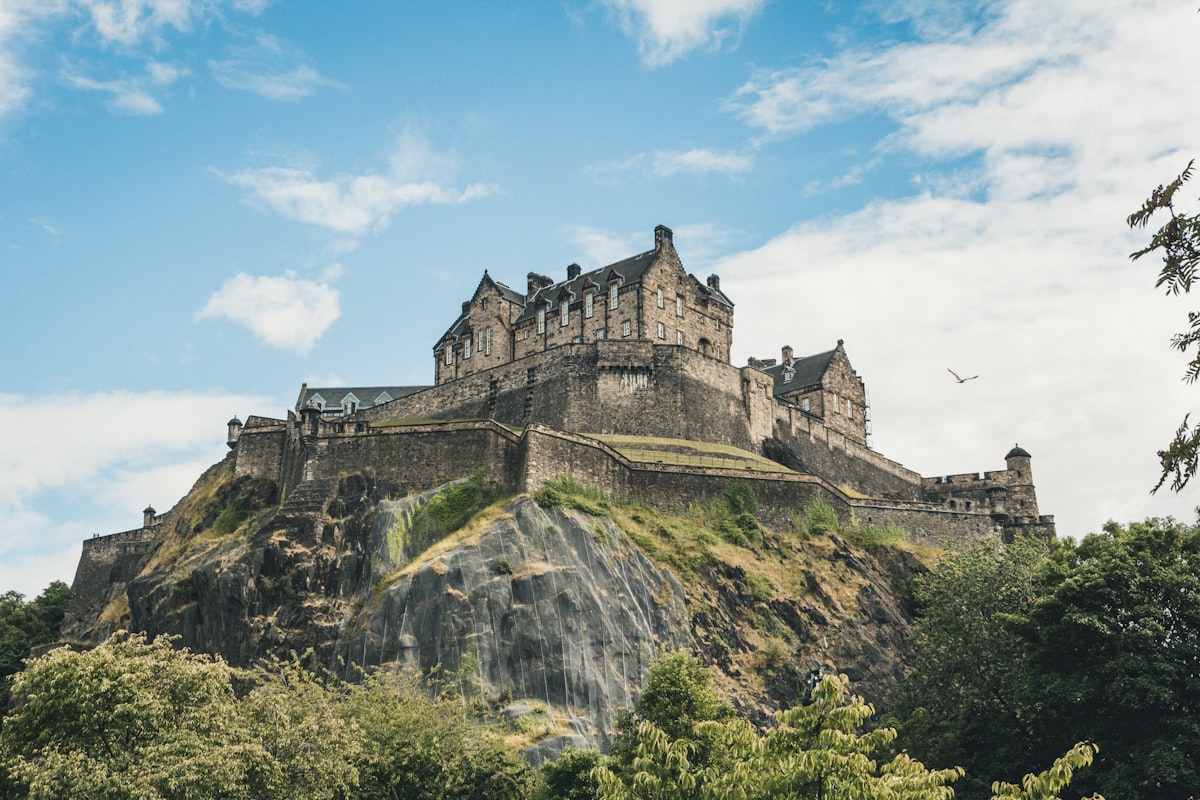
Daylight Requirements in City of Edinburgh
Understanding daylight requirements in City of Edinburgh, from the council's adopted City Plan 2030 and Edinburgh Design Guidance to NPF4 and BRE BR 209. A practical guide for householders, developers and agents preparing planning applications in the capital.
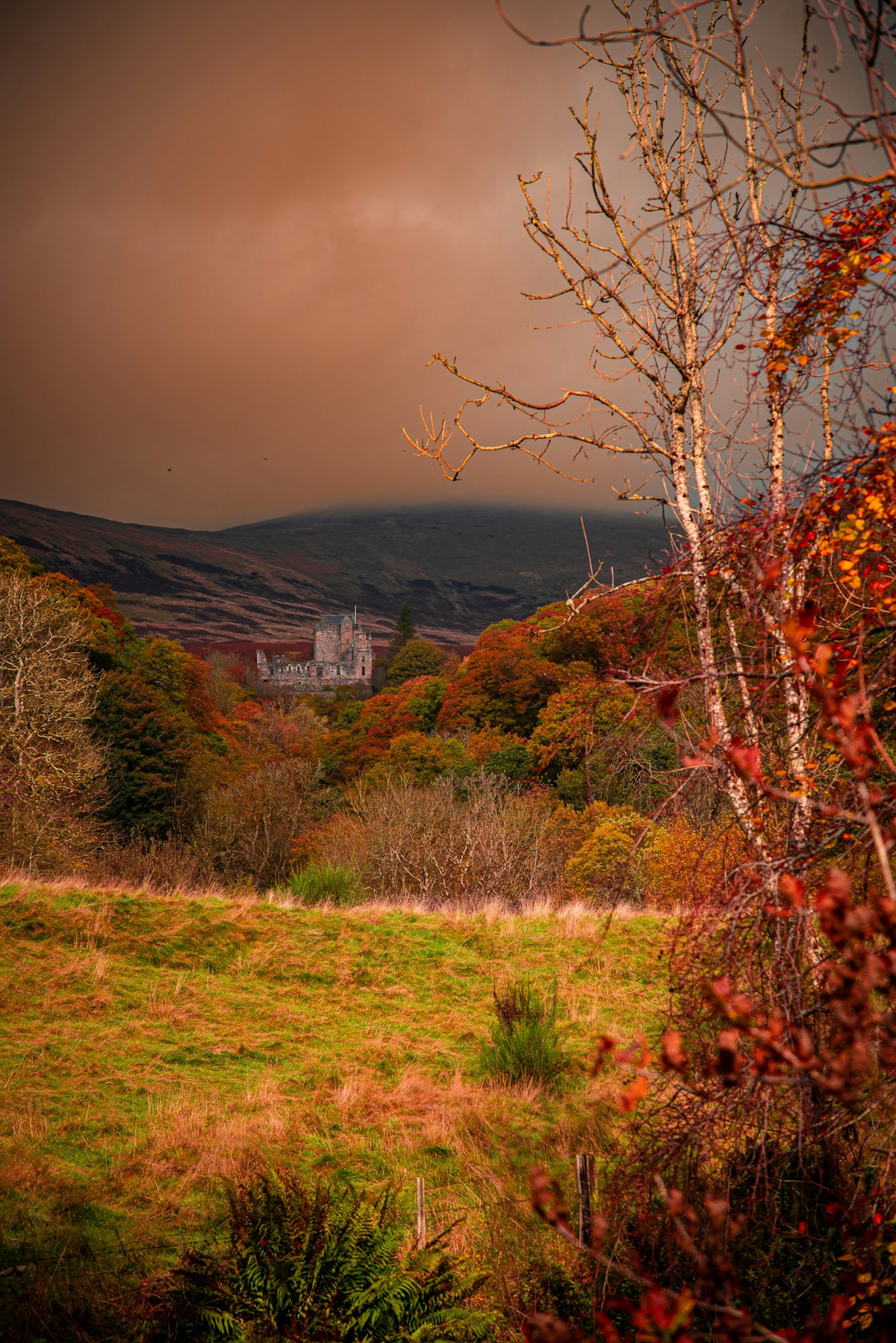
Daylight Requirements in Clackmannanshire
How daylight and sunlight are assessed for planning in Clackmannanshire, from Alloa to the Hillfoots villages beneath the Ochils. A clear guide to the adopted Local Development Plan design and amenity policies, NPF4, and how BRE BR 209 supports a planning application.
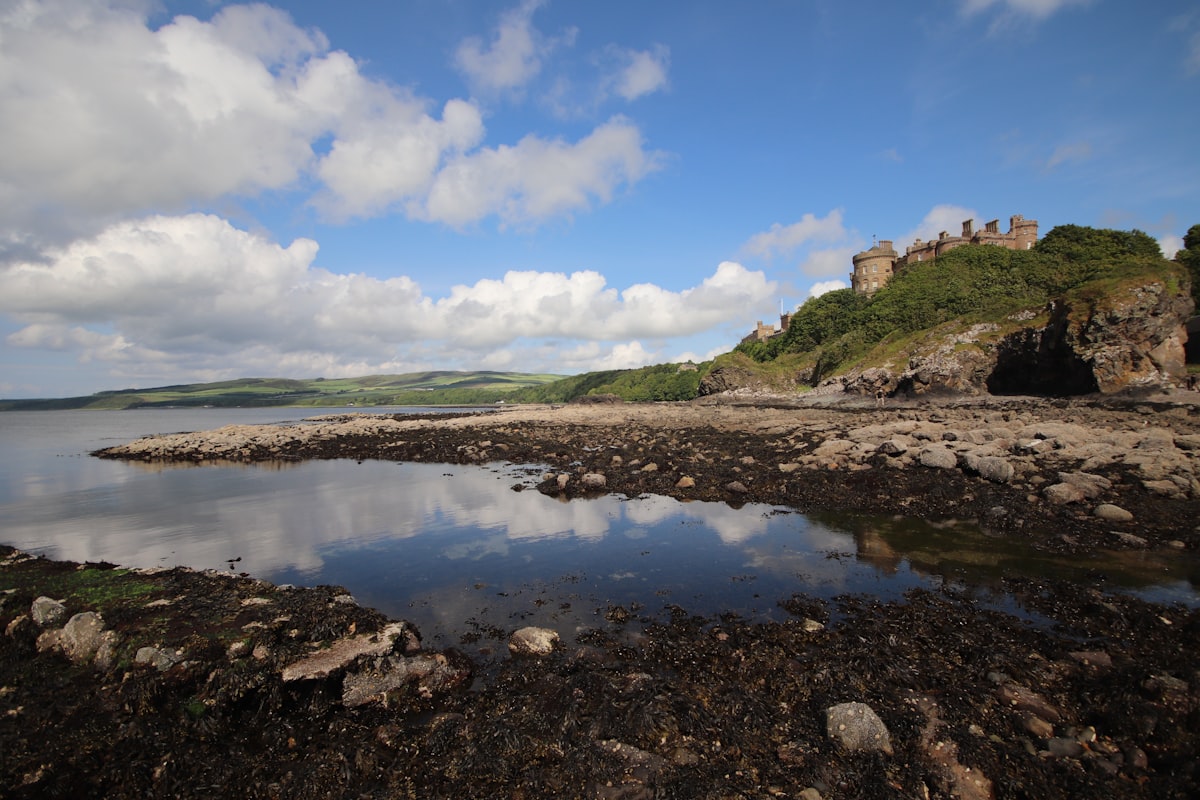
Daylight Requirements in East Ayrshire
A clear guide to daylight requirements in East Ayrshire: how the adopted Local Development Plan 2 (2024) and NPF4 treat daylight, sunlight and overshadowing, including the council's 45-degree test, and how a BRE BR 209 report supports your application.
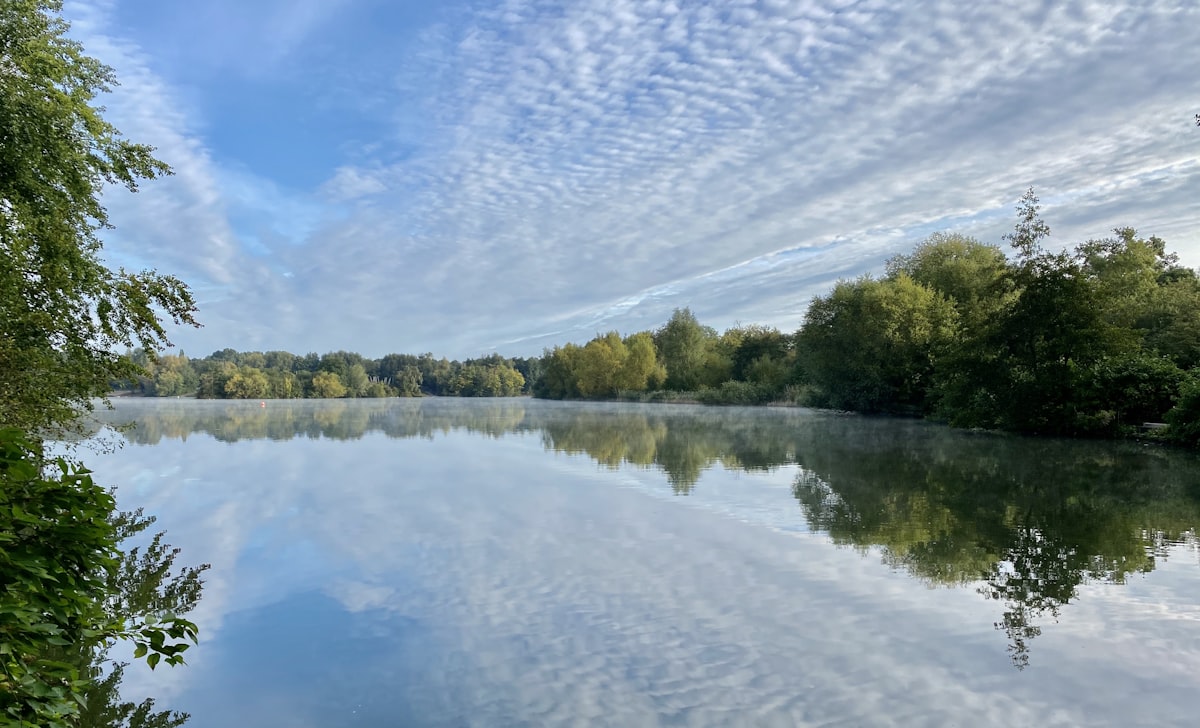
Daylight Requirements in Redditch
Daylight requirements in Redditch are governed by the Borough of Redditch Local Plan No.4 and the High Quality Design SPD, which protect against loss of light, outlook and privacy. Here is how daylight and sunlight are assessed in this Worcestershire New Town.
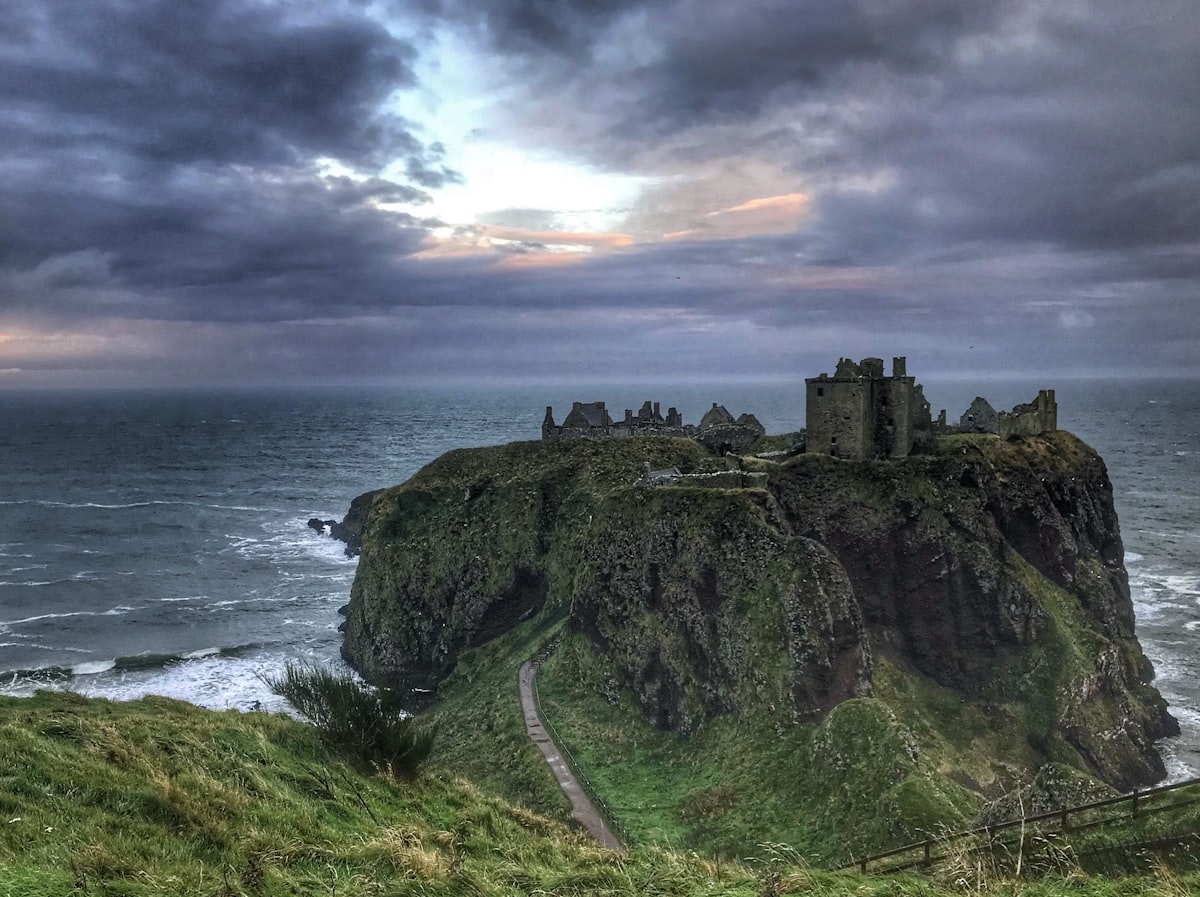
Daylight Requirements in Aberdeenshire
A practical guide to daylight requirements in Aberdeenshire, covering the Aberdeenshire Local Development Plan 2023, National Planning Framework 4 and how BRE daylight and sunlight assessment supports planning in Peterhead, Fraserburgh and Stonehaven.
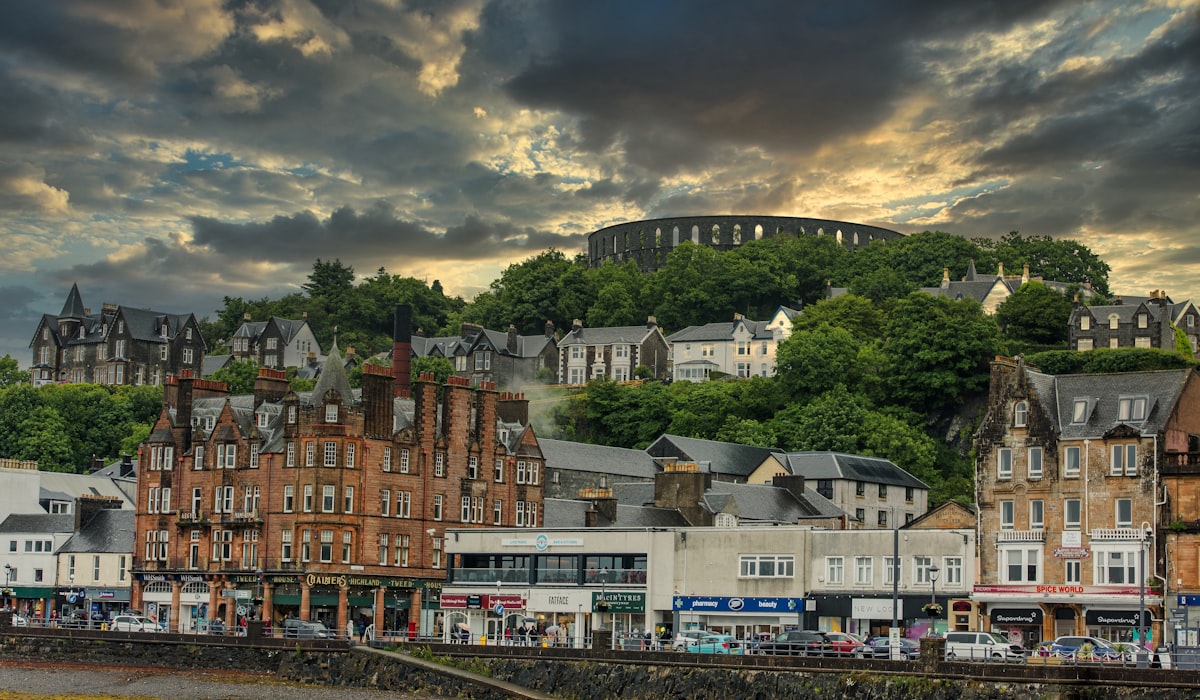
Daylight Requirements in Argyll and Bute
How daylight and sunlight are assessed for planning across Argyll and Bute, from Oban and Helensburgh to Dunoon. A clear guide to the adopted Local Development Plan 2 design and amenity policies, NPF4, and how BRE BR 209 supports a planning application.
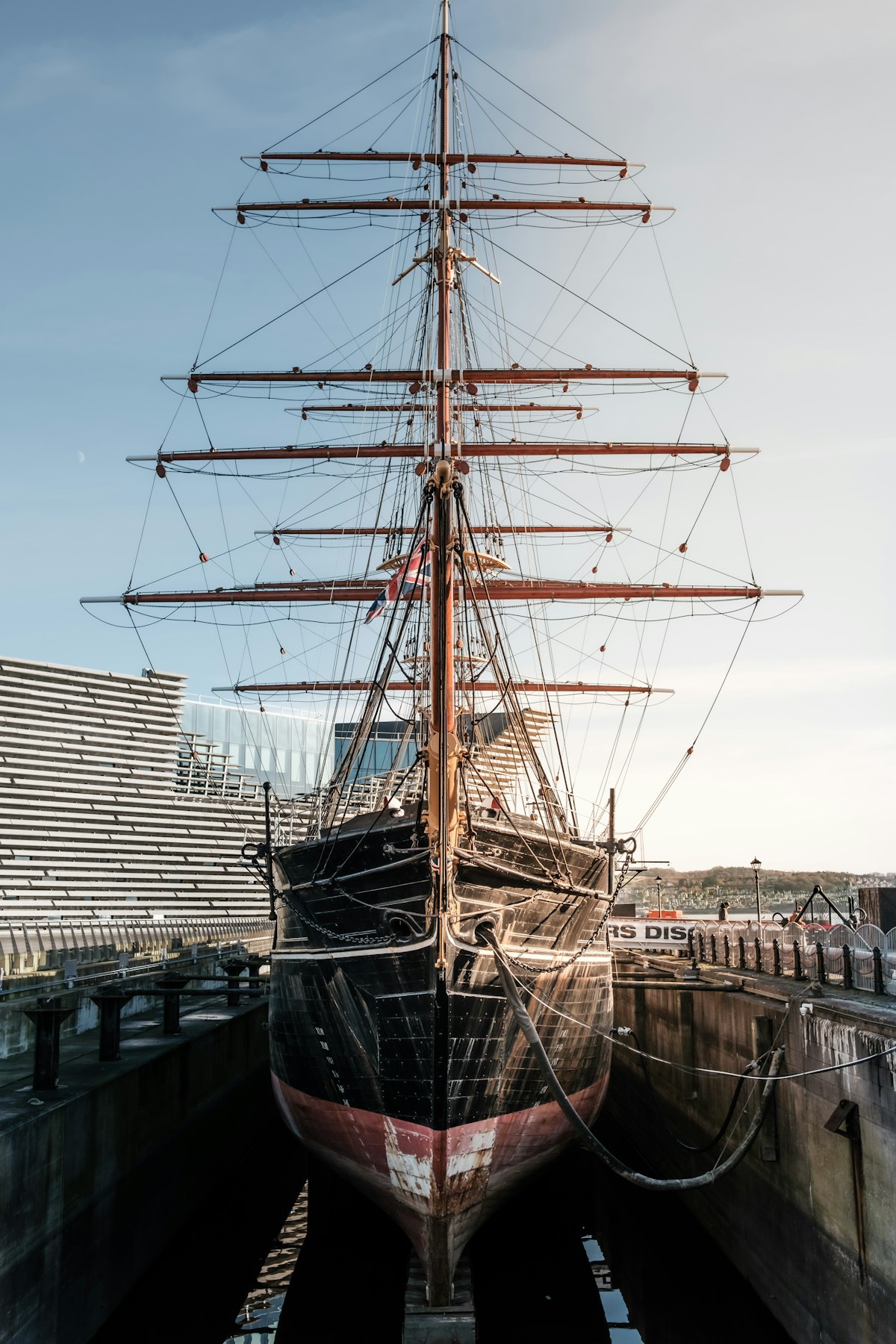
Daylight Requirements in Dundee City
A practical guide to daylight requirements in Dundee City: how the adopted Dundee Local Development Plan 2019 and NPF4 treat daylight, sunlight and privacy, and how a BRE BR 209 report supports your planning application.
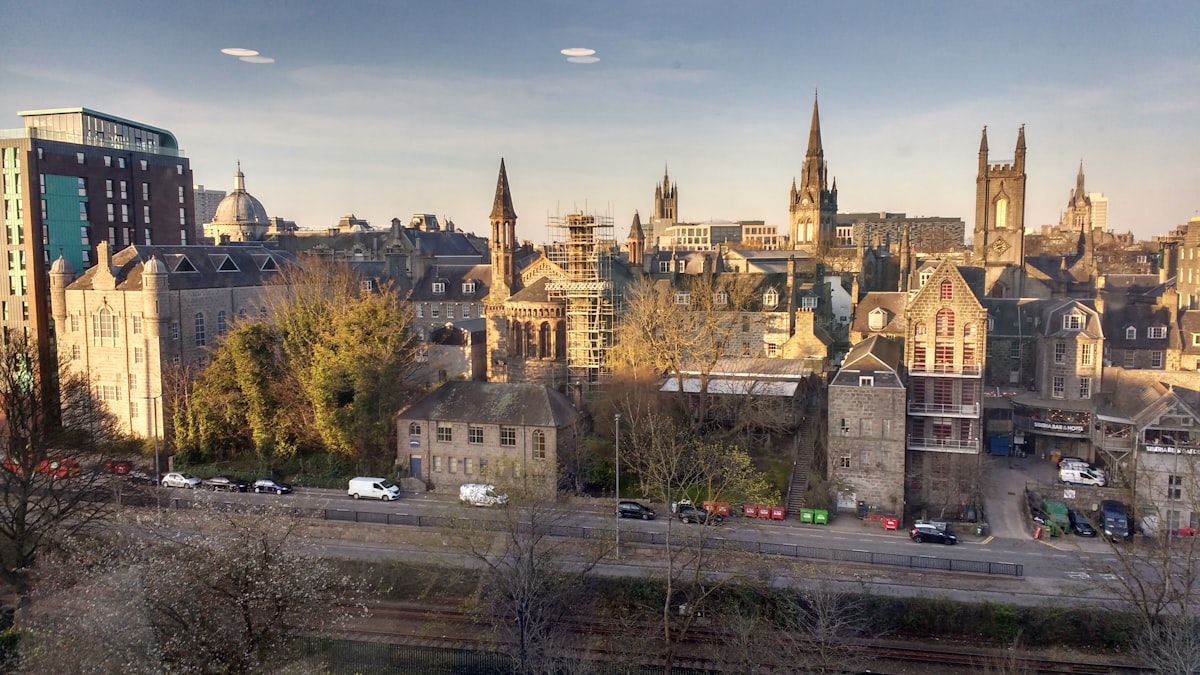
Daylight Requirements in Aberdeen City
A clear guide to daylight requirements in Aberdeen City, covering the Aberdeen Local Development Plan 2023, National Planning Framework 4 and how BRE daylight and sunlight assessment supports planning in the Granite City.
Daylight Requirements in Bromsgrove
Daylight requirements in Bromsgrove are set by the District Plan 2011-2030 and the High Quality Design SPD, including 21m and 27.5m separation distances. Here is how daylight and sunlight are assessed across Bromsgrove town, Wythall and the Birmingham fringe.
Daylight Requirements in Angus
How daylight and sunlight are assessed for planning across Angus, from Forfar and Arbroath to Montrose. A clear guide to the adopted Angus Local Development Plan amenity and design policies, NPF4, and how BRE BR 209 is applied to support a planning application.
Daylight Requirements in Dumfries and Galloway
How daylight requirements in Dumfries and Galloway are assessed under the adopted Local Development Plan 2 and NPF4, and how a BRE BR 209 (2022) daylight and sunlight report supports your planning application.
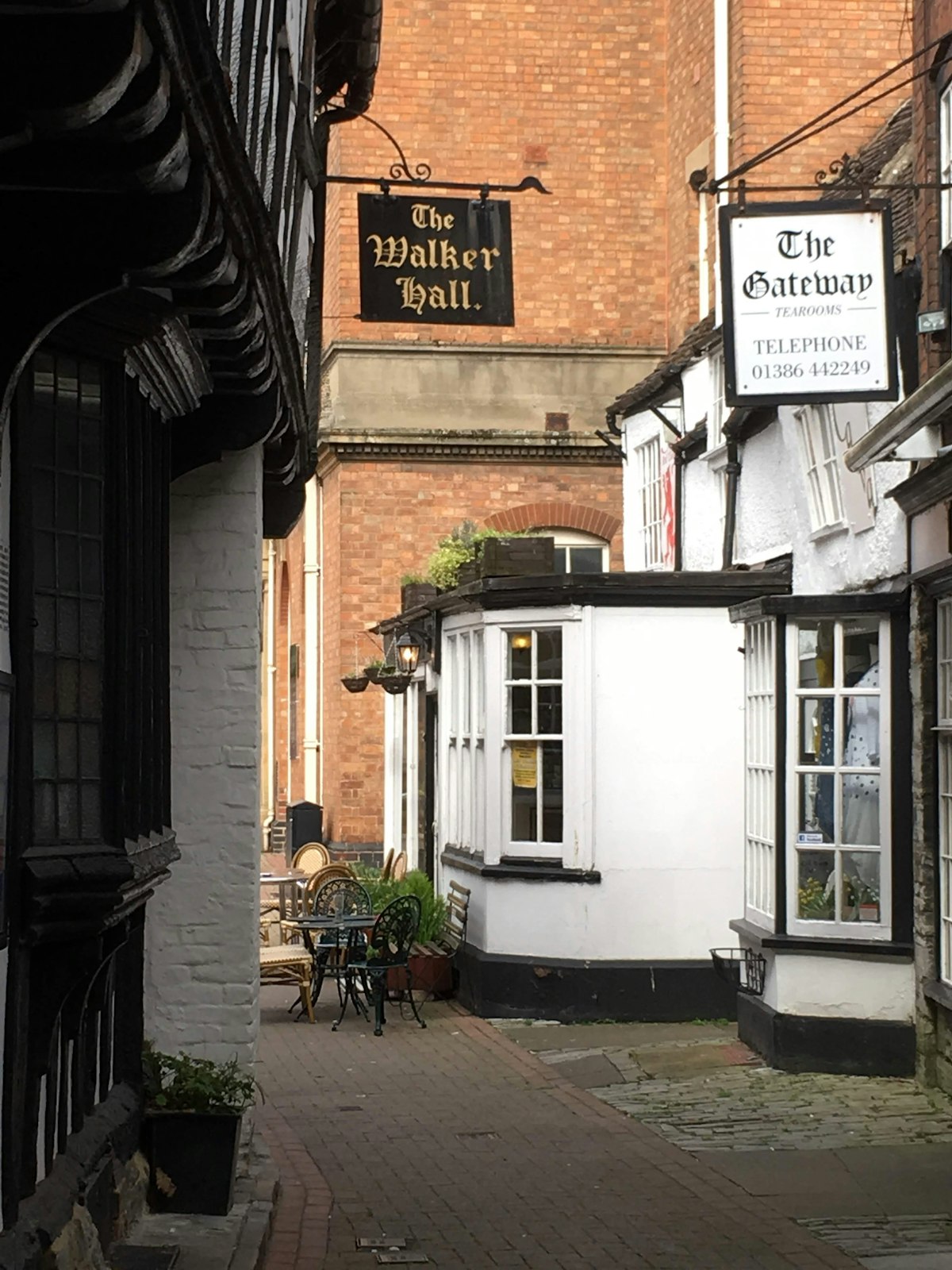
Daylight Requirements in Wychavon
A practical guide to daylight requirements in Wychavon, covering the South Worcestershire Development Plan, the SWDP 21 design policy and how BRE daylight and sunlight assessment supports planning in Evesham, Droitwich Spa and Pershore.
Daylight Requirements in Wyre Forest
Daylight requirements in Wyre Forest are governed by the District Local Plan (2016-2036) and the Design, Amenity and Shopfronts SPD. Here is how daylight and sunlight are assessed across Kidderminster, Stourport-on-Severn and Bewdley.
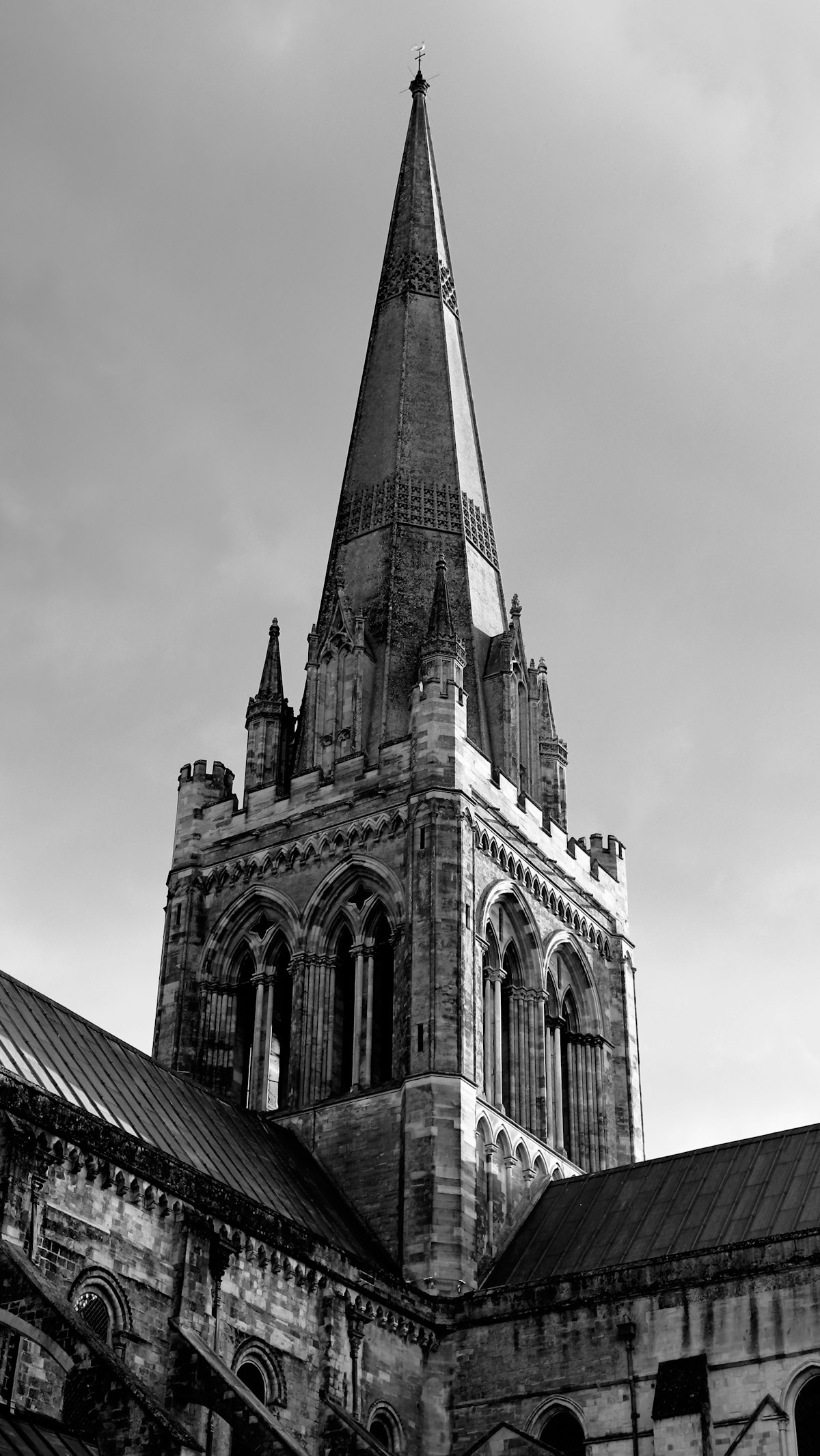
Daylight Requirements in Chichester
A guide to daylight and sunlight requirements in Chichester, including the new Chichester Local Plan 2021-2039 Policy P6 (Amenity), the council's use of BRE guidance, and how Fortress Associates can help.
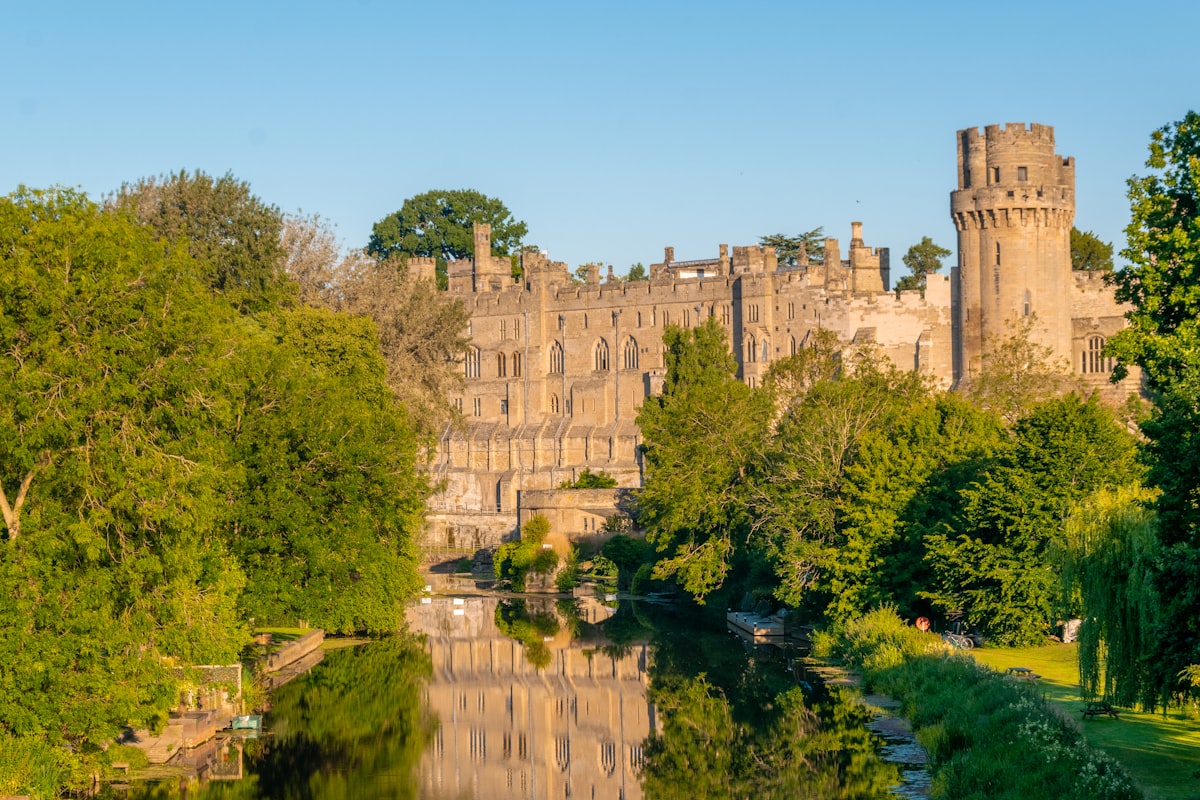
Daylight Requirements in Warwick
A practical guide to daylight requirements in Warwick District: the adopted Local Plan, Policy BE3 Amenity, Policy BE1 and the Residential Design Guide's 45 degree guideline for Warwick, Leamington Spa and Kenilworth.
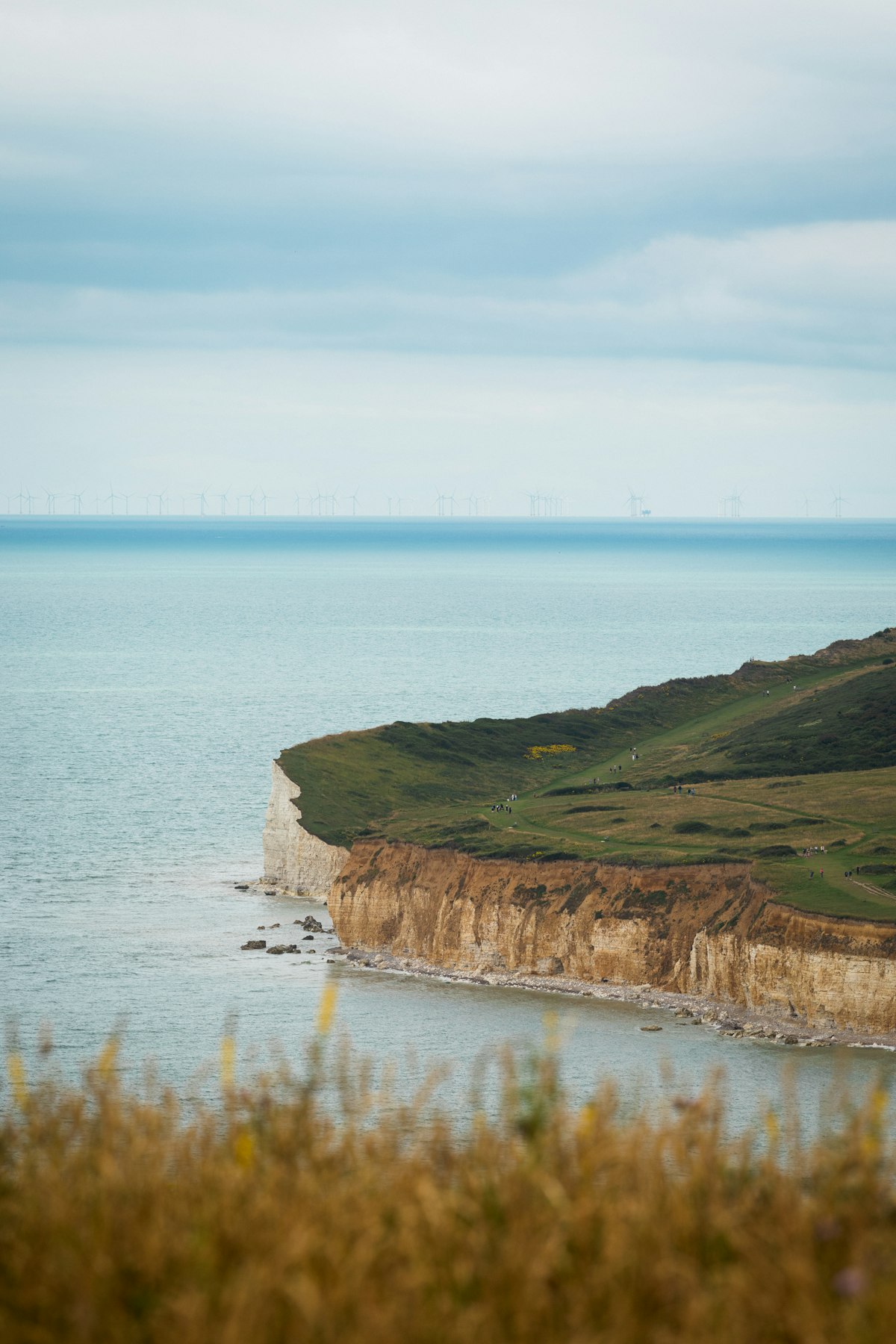
Daylight Requirements in Mid Sussex
A clear guide to daylight requirements in Mid Sussex: how the adopted Mid Sussex District Plan 2014-2031, the Mid Sussex Design Guide SPD, BRE BR 209 and BS EN 17037 govern daylight and sunlight assessments for planning applications.
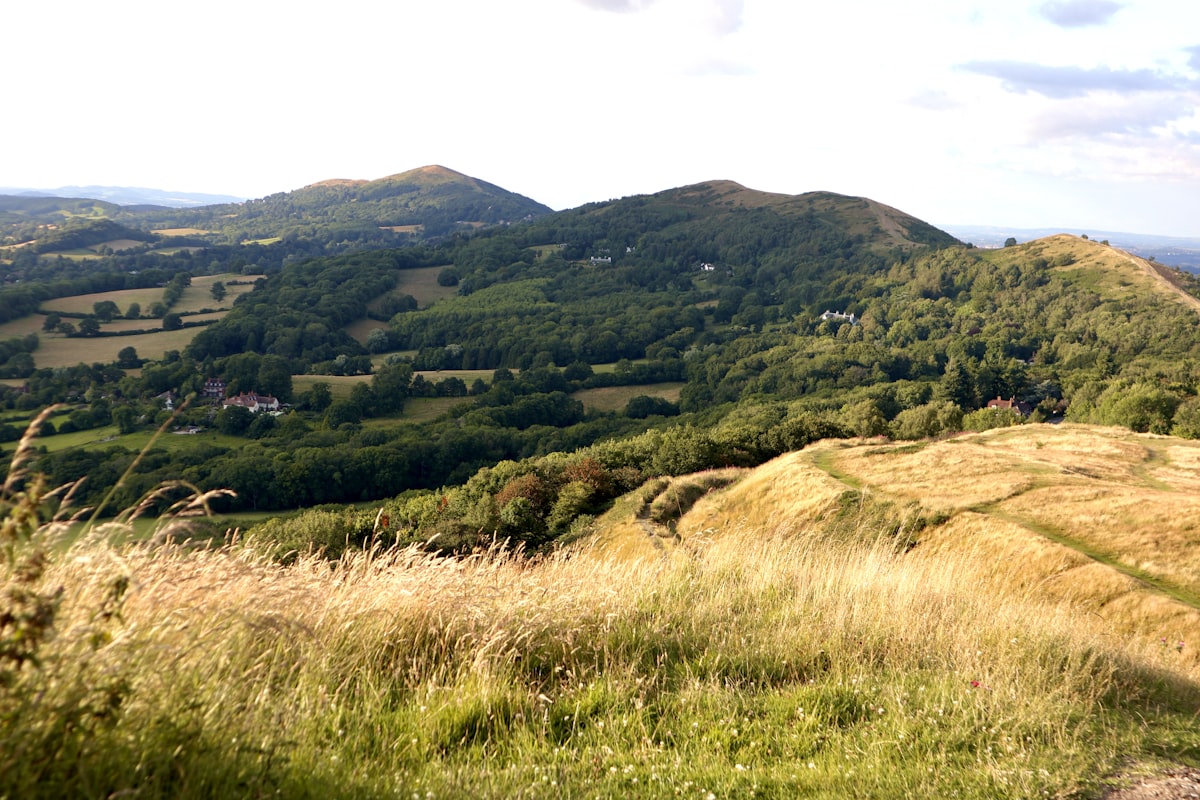
Daylight Requirements in Malvern Hills
A clear guide to the daylight requirements in Malvern Hills, explaining the South Worcestershire Development Plan (SWDP 2016), Policy SWDP 21 Design, the Design Guide SPD and the role of the Malvern Hills National Landscape (AONB) in daylight and amenity decisions.
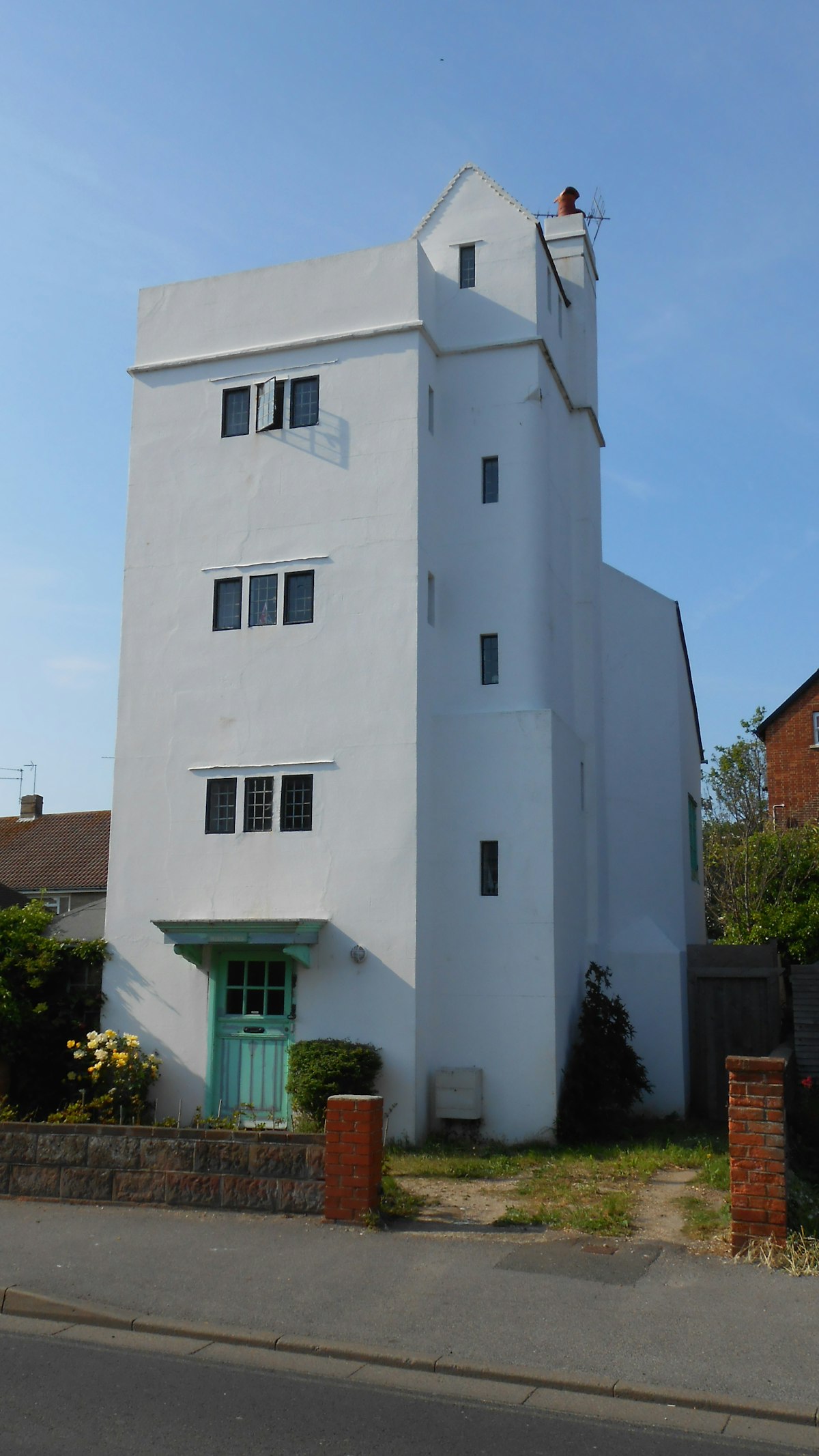
Daylight Requirements in Arun
A practical guide to daylight and sunlight requirements in Arun (Bognor Regis and Littlehampton), the adopted Arun Local Plan design policies that apply, and how Fortress Associates can prepare a BRE-compliant report.
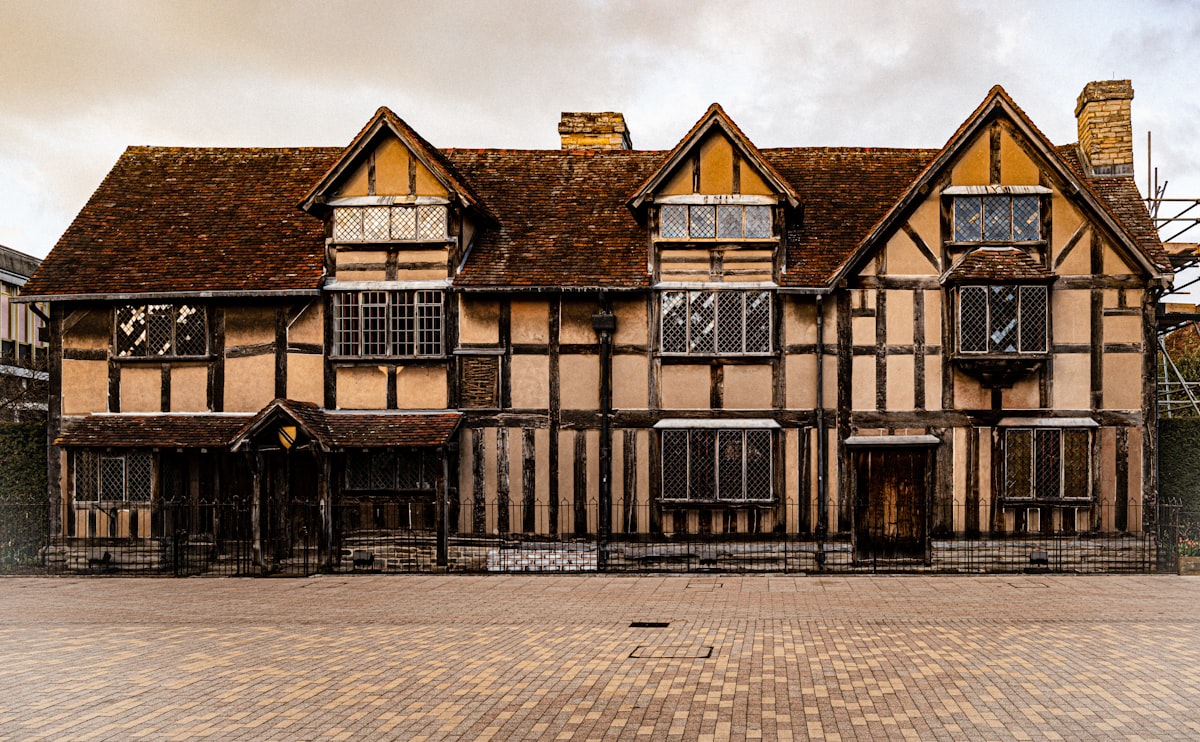
Daylight Requirements in Stratford-on-Avon
A guide to daylight requirements in Stratford-on-Avon: the District Core Strategy, Policy CS.9, the Council's 45/25 degree test and the Residential Amenity SPD that shape new development.
Daylight Requirements in Crawley
A practical guide to daylight requirements in Crawley Borough: how the adopted Crawley Borough Local Plan 2023-2040, the Urban Design SPD, BRE BR 209 and BS EN 17037 shape daylight and sunlight assessments for planning applications.
Daylight Requirements in Worcester
A practical guide to the daylight requirements in Worcester, covering the South Worcestershire Development Plan (SWDP 2016), Policy SWDP 21 Design, the South Worcestershire Design Guide SPD and how BRE BR 209 (2022) is applied in the Faithful City.
Daylight Requirements in Worthing
How daylight and sunlight are assessed in Worthing planning applications, the Worthing Local Plan 2020-2036 policies that apply, and how Fortress Associates can prepare a BRE-compliant report for your scheme.
Daylight Requirements in Rugby
Understanding daylight requirements in Rugby: how the Borough's adopted Local Plan, Policy SDC1 and national standards such as BRE BR 209 (2022) shape residential development across the borough.
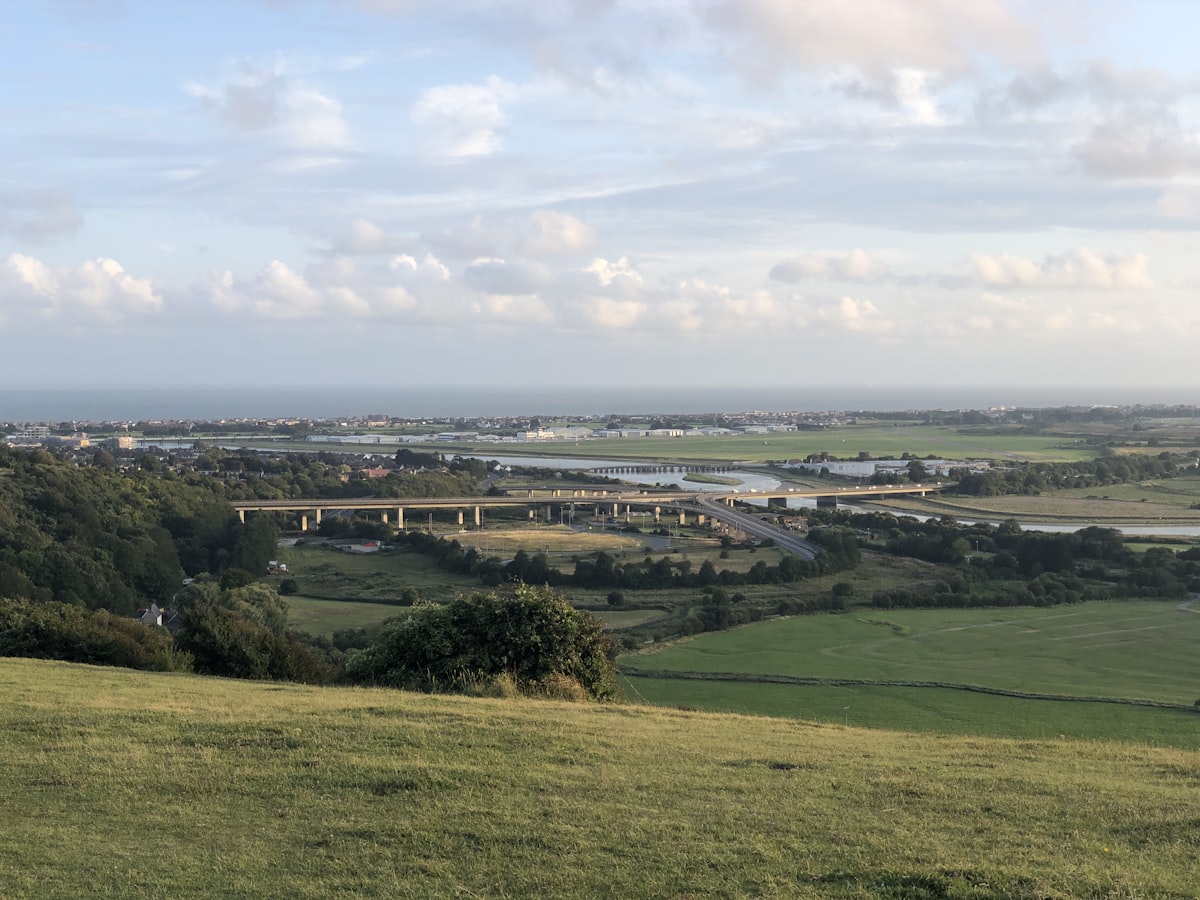
Daylight Requirements in Horsham
Understanding daylight requirements in Horsham District: how the adopted Horsham District Planning Framework (2015), BRE BR 209 and BS EN 17037 shape residential daylight and sunlight assessments for planning applications across the district.
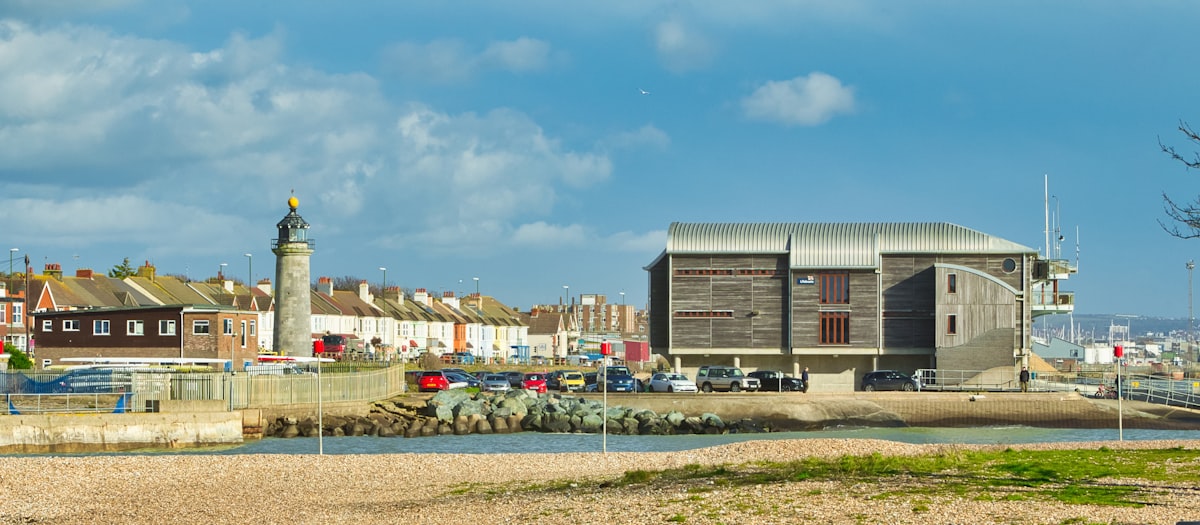
Daylight Requirements in Adur
How daylight and sunlight are assessed in Adur District Council, covering the Adur Local Plan 2017, the council's Extensions and Alterations to Dwellings standard, and BRE BR 209 (2022) guidance for Shoreham-by-Sea, Lancing and Southwick.
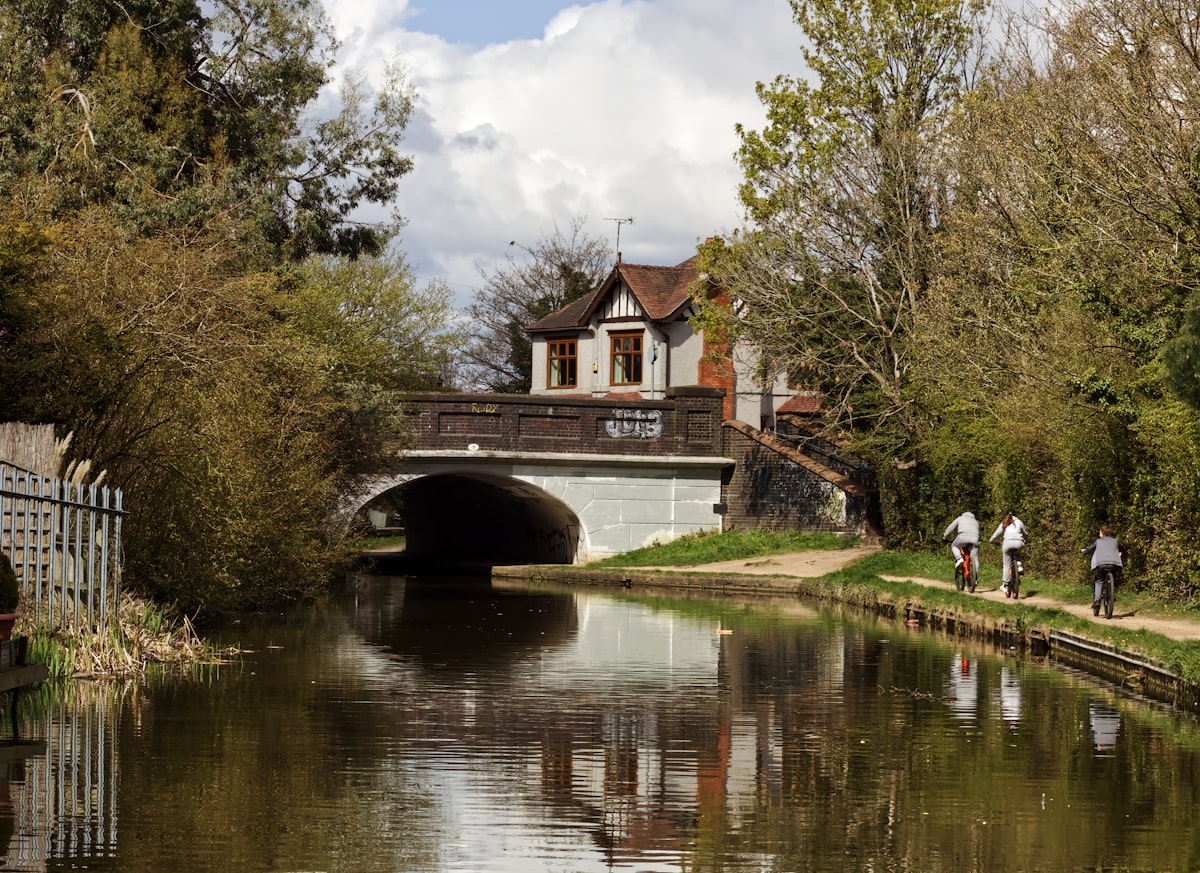
Daylight Requirements in Nuneaton and Bedworth
How daylight and sunlight are assessed for planning in Nuneaton and Bedworth, covering the newly adopted Borough Plan Review 2021-2039, Policy BE3 and the Sustainable Design and Construction SPD, plus BRE BR 209 (2022), BS EN 17037 and the NPPF.
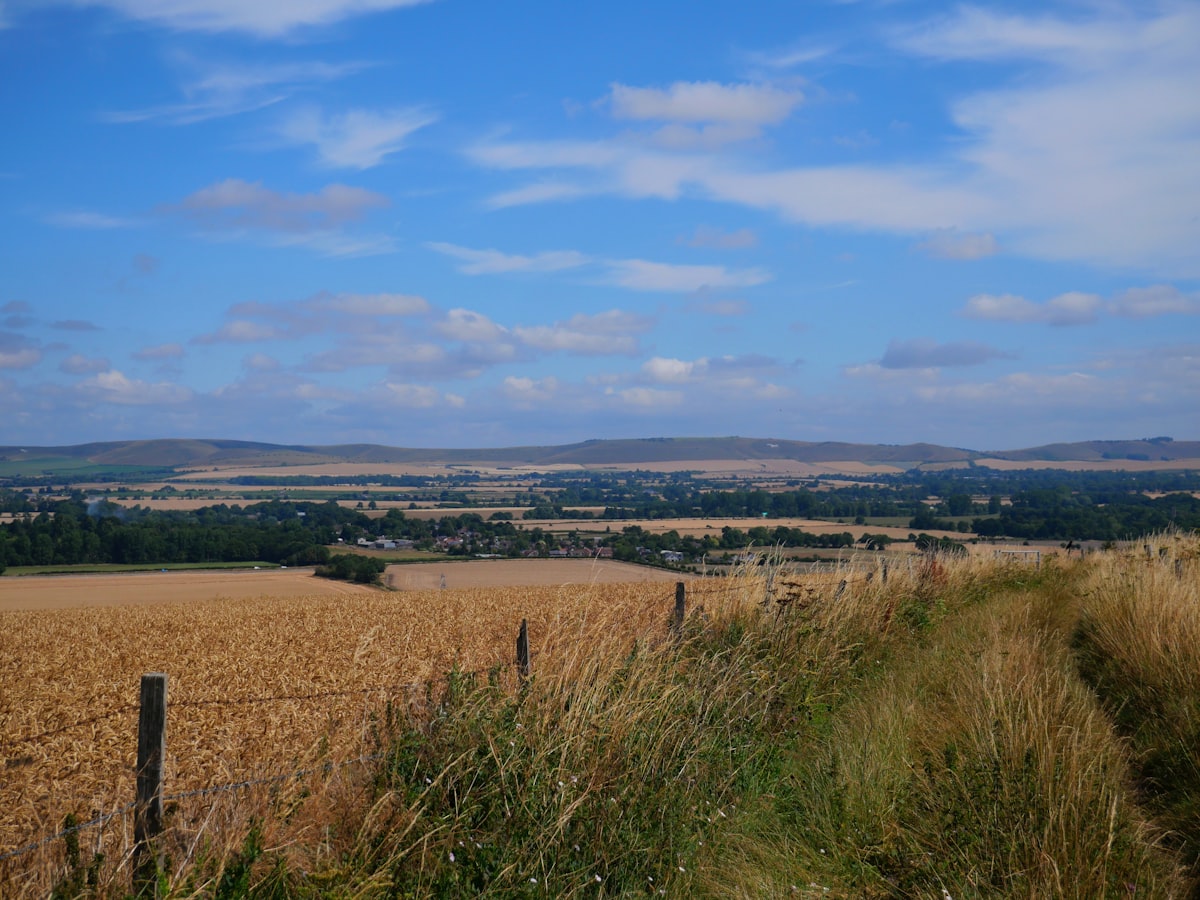
Daylight Requirements in Reigate and Banstead
A practical guide to the daylight and sunlight requirements in Reigate and Banstead, covering the adopted Core Strategy and Development Management Plan, Policy DES1, and the validation checklist's reference to BRE Report 209.
Daylight Requirements in Waverley
A practical guide to daylight requirements in Waverley: the adopted two-part Local Plan, the design and amenity policies that govern light, and how BRE BR 209 (2022) reports support applications in Farnham, Godalming, Haslemere and Cranleigh.
Daylight Requirements in Woking
A practical guide to daylight requirements in Woking, covering the Core Strategy, Development Management Policies, the dedicated Outlook, Amenity, Privacy and Daylight SPD, and how BRE BR 209 (2022) assessments support town-centre and suburban applications.
Daylight Requirements in Epsom and Ewell
A practical guide to the daylight and sunlight requirements in Epsom and Ewell, covering the adopted Core Strategy and Development Management Policies, Policy DM10 on design, and how a BRE BR 209 assessment supports an application.
Daylight Requirements in Surrey Heath
A clear guide to daylight requirements in Surrey Heath, covering the adopted Core Strategy and Development Management Policies, the Residential Design Guide SPD, the Thames Basin Heaths context and how BRE BR 209 (2022) assessments support applications in Camberley and Frimley.

Daylight Requirements in Guildford
A clear guide to daylight requirements in Guildford: the adopted Local Plan policies, the council's dedicated daylight and sunlight validation rule, the relevant SPDs, and how BRE BR 209 (2022) reports support planning applications in the borough.
Daylight Requirements in Mole Valley
A practical guide to the daylight and sunlight requirements in Mole Valley, covering the adopted Local Plan 2020-2039, Policy EN4 on character and design, the House Extensions SPD, and how a BRE BR 209 assessment supports an application.
Daylight Requirements in Runnymede
A practical guide to daylight requirements in Runnymede, covering the 2030 Local Plan, the Runnymede Design SPD, the council's validation checklist and how BRE BR 209 (2022) assessments support planning applications in Egham, Addlestone and Chertsey.
Daylight Requirements in Elmbridge
A practical guide to daylight requirements in Elmbridge: the adopted Local Plan policies, the council's Design Code and validation rules, and how BRE BR 209 (2022) assessments support planning applications in Walton, Esher and Weybridge.
Daylight Requirements in Spelthorne
A practical guide to daylight requirements in Spelthorne, covering the newly adopted Spelthorne Local Plan 2024-2039/40, Policy PS2 on designing places and spaces, the council's residential extensions design guidance with its 25 and 45 degree daylight tests, the validation requir
Daylight Requirements in Stafford
A clear guide to daylight requirements in Stafford Borough. How Policy N1, the 2018 Design SPD with its 45-degree rule, 25-degree test and 21-metre separation distance, and BRE BR 209 (2022) govern daylight and sunlight for extensions and new homes.
Daylight Requirements in East Staffordshire
A clear guide to daylight requirements in East Staffordshire: how the adopted Local Plan (2012-2031), Strategic Policy SP24, Detailed Policy 3 and the Design Guide SPD treat daylight, sunlight and amenity, and when a BRE BR 209 report is needed.
Daylight Requirements in East Suffolk
A guide to daylight and sunlight requirements for planning applications in East Suffolk, explaining the council's unusual two-plan system - the Suffolk Coastal Local Plan (2020) and the Waveney Local Plan (2019) - alongside BRE BR 209 (2022).
Daylight Requirements in South Staffordshire
A practical guide to daylight requirements in South Staffordshire. How Core Strategy Policy EQ9, design policy EQ11, the 2018 Design Guide and BRE BR 209 (2022) shape daylight and sunlight assessments in Codsall, Penkridge and Wombourne.
Daylight Requirements in West Suffolk
A clear guide to daylight requirements in West Suffolk, covering the council's legacy local plans, the Joint Development Management Policies Document (2015), Policy DM22 on residential design, the local validation requirement for daylight and sunlight assessments, and how BRE BR
Daylight Requirements in Staffordshire Moorlands
How daylight requirements in Staffordshire Moorlands are assessed: the adopted Local Plan (2020) Policy DC1, the Design Guide SPD, the area strategies for Leek, Biddulph and Cheadle, and when a BRE BR 209 daylight and sunlight report is needed.
Daylight Requirements in Babergh
A guide to daylight and sunlight requirements for planning applications in Babergh, Suffolk, covering the adopted Babergh and Mid Suffolk Joint Local Plan (2023), Policy LP24 and BRE BR 209 (2022) guidance.
Daylight Requirements in Mid Suffolk
A practical guide to daylight requirements in Mid Suffolk, covering the Babergh and Mid Suffolk Joint Local Plan (2023), policy LP24 on design and residential amenity, the Suffolk Design Guide, and how BRE BR 209 and BS EN 17037 are applied to applications in Stowmarket, Needham
Daylight Requirements in Cannock Chase
Understanding daylight requirements in Cannock Chase under the newly adopted Local Plan 2018–2040. How Policy SO2.2 amenity rules, the Design SPD and BRE BR 209 (2022) shape daylight and sunlight assessments for development across the district.
Daylight Requirements in Newcastle-under-Lyme
A practical guide to daylight requirements in Newcastle-under-Lyme: how the borough's current development plan, saved Local Plan design policy and the emerging Local Plan 2020-2040 treat daylight, sunlight and amenity, and when a BRE assessment is needed.
Daylight Requirements in Ipswich
How daylight and sunlight are assessed for planning applications in Ipswich, including the adopted Ipswich Local Plan Review 2018-2036, the Space & Design Guidelines SPD and BRE BR 209 (2022) guidance.

Daylight Requirements in Oxford
How daylight and sunlight are assessed in Oxford: the adopted Oxford Local Plan 2036, Policy H14 with its 25 and 45 degree guidelines, the city's view cones and building-height controls, and where BRE BR 209 (2022) supports an application.
Daylight Requirements in Ashfield
Daylight and sunlight in Ashfield explained: the saved Ashfield Local Plan Review 2002 (Policy HG5), the council's residential design guidance, the emerging 2023-2040 plan and BRE BR 209 (2022).
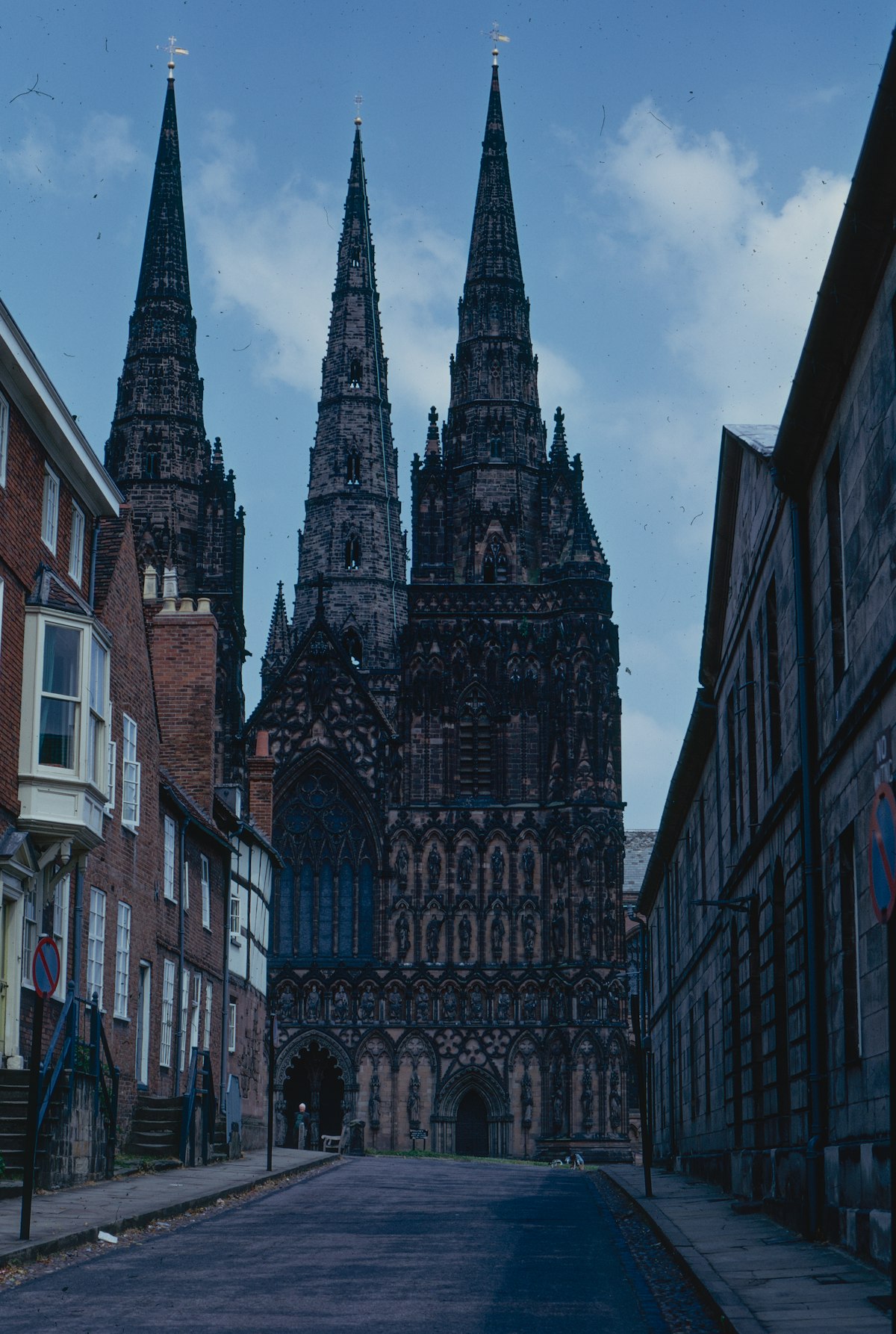
Daylight Requirements in Lichfield
A practical guide to daylight requirements in Lichfield, covering the adopted Local Plan Strategy 2008-2029, the District Design Code SPD (2024), the emerging Local Plan 2040, and how BRE BR 209 (2022) daylight and sunlight assessments support planning applications in Lichfield a
Daylight Requirements in Mansfield
A practical guide to daylight and sunlight in Mansfield: the adopted Mansfield District Local Plan 2013-2033, Policy P7 on amenity, Policy P6 on home extensions, and how BRE BR 209 (2022) is used where the council has no separate design SPD.

Daylight Requirements in Breckland
A practical guide to daylight and sunlight in Breckland: how the adopted Local Plan 2011-2036, Policies COM 01 and COM 03, the Breckland Design Guide and BRE BR 209 (2022) shape planning decisions.
Daylight Requirements in Vale of White Horse
A clear guide to daylight requirements in Vale of White Horse, covering the two-part adopted Local Plan 2031, Policy DP23 on amenity, the Joint Design Guide SPD, and how BRE BR 209 (2022) applies in Abingdon, Wantage and the Science Vale.
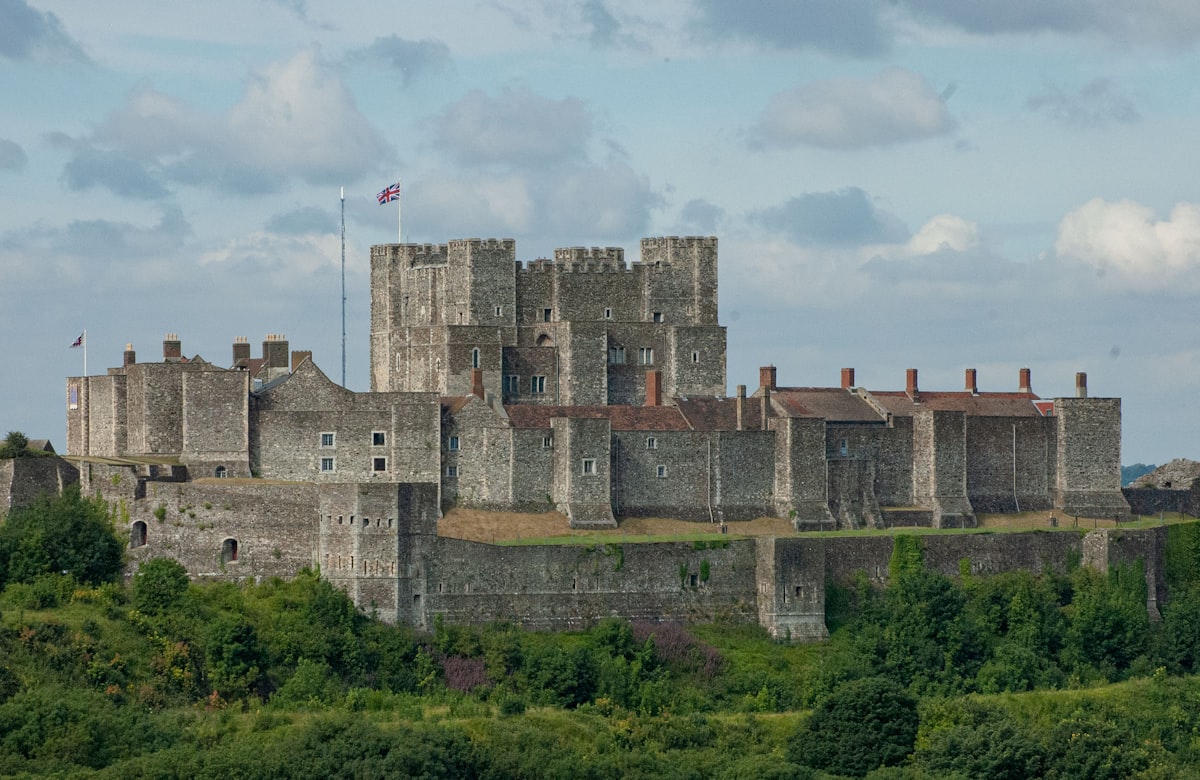
Daylight Requirements in Tamworth
A clear guide to daylight requirements in Tamworth, covering the adopted Local Plan 2006-2031, the Tamworth Design SPD (2019), and how BRE BR 209 (2022) daylight and sunlight assessments support residential planning applications in this compact Staffordshire borough.
Daylight Requirements in South Oxfordshire
A clear guide to daylight requirements in South Oxfordshire, covering the adopted Local Plan 2035, the Joint Design Guide SPD, the district's dark-sky considerations, and how BRE BR 209 (2022) applies in Henley, Didcot and Thame.
Daylight Requirements in Newark and Sherwood
How daylight and sunlight are assessed in Newark and Sherwood: the adopted Local Plan policies on amenity and design, the council's Householder Development SPD, and where BRE BR 209 (2022) guidance fits into a planning application.
Daylight Requirements in King's Lynn and West Norfolk
How daylight and sunlight are assessed in King's Lynn and West Norfolk under the Local Plan 2021-2040, Policy LP18 and BRE BR 209 (2022) guidance for planning applications.
Daylight Requirements in West Oxfordshire
A practical guide to daylight requirements in West Oxfordshire, covering the adopted Local Plan 2031, the West Oxfordshire Design Guide, and how BRE BR 209 (2022) daylight and sunlight assessments support planning applications in Witney, Chipping Norton and the wider district.
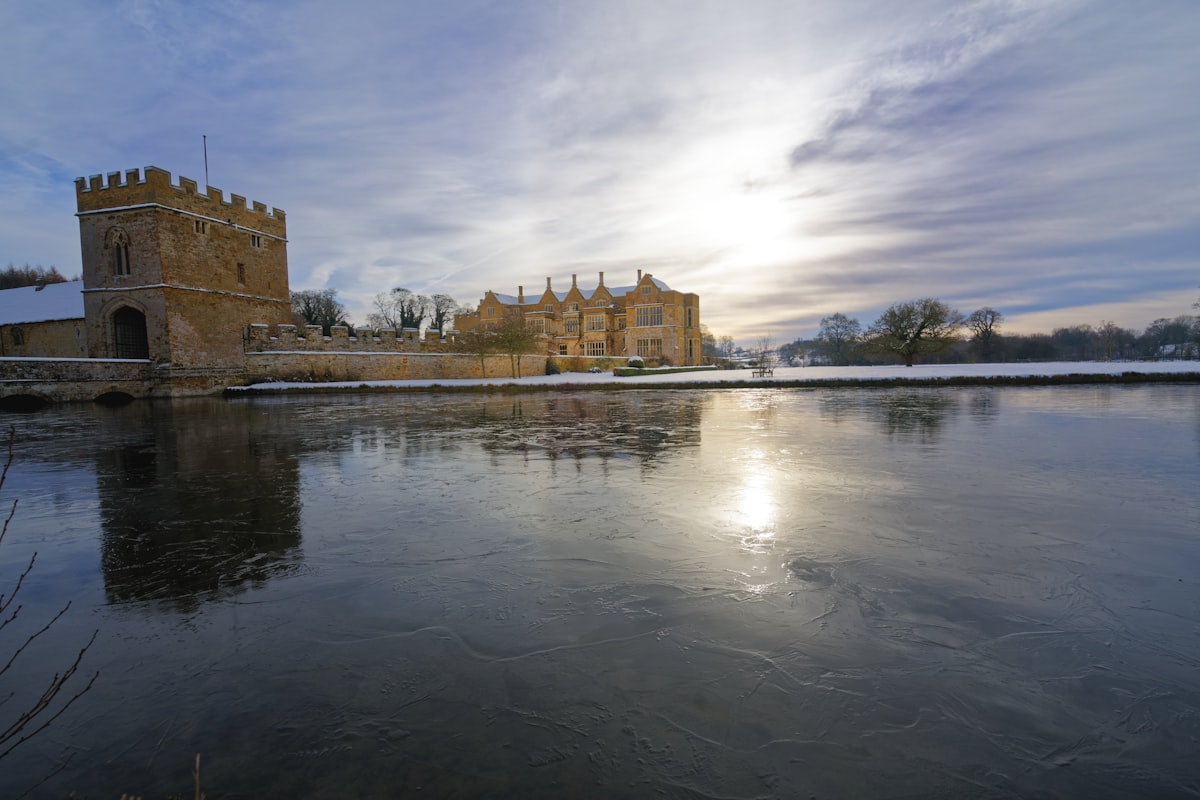
Daylight Requirements in Cherwell
A practical guide to daylight requirements in Cherwell, covering the adopted Local Plan, the Residential Design Guide SPD, and how BRE BR 209 (2022) is applied to extensions and new homes in Banbury and Bicester.
Daylight Requirements in Broxtowe
A clear guide to daylight requirements in Broxtowe under the Aligned Core Strategy and Part 2 Local Plan, with the BRE BR 209 (2022) standards that apply to extensions and new homes in Beeston, Eastwood and Kimberley.
Daylight Requirements in Gedling
Understanding daylight requirements in Gedling: how the Aligned Core Strategy, the 2018 Local Planning Document and the borough's Design Code Framework treat daylight, sunlight and amenity for development in Arnold, Carlton and beyond.
Daylight Requirements in Bassetlaw
Understanding daylight requirements in Bassetlaw, from Policy 46 of the adopted 2024 Local Plan to the Householder Extensions SPD, and how a BRE BR 209 daylight and sunlight report supports applications in Worksop and Retford.
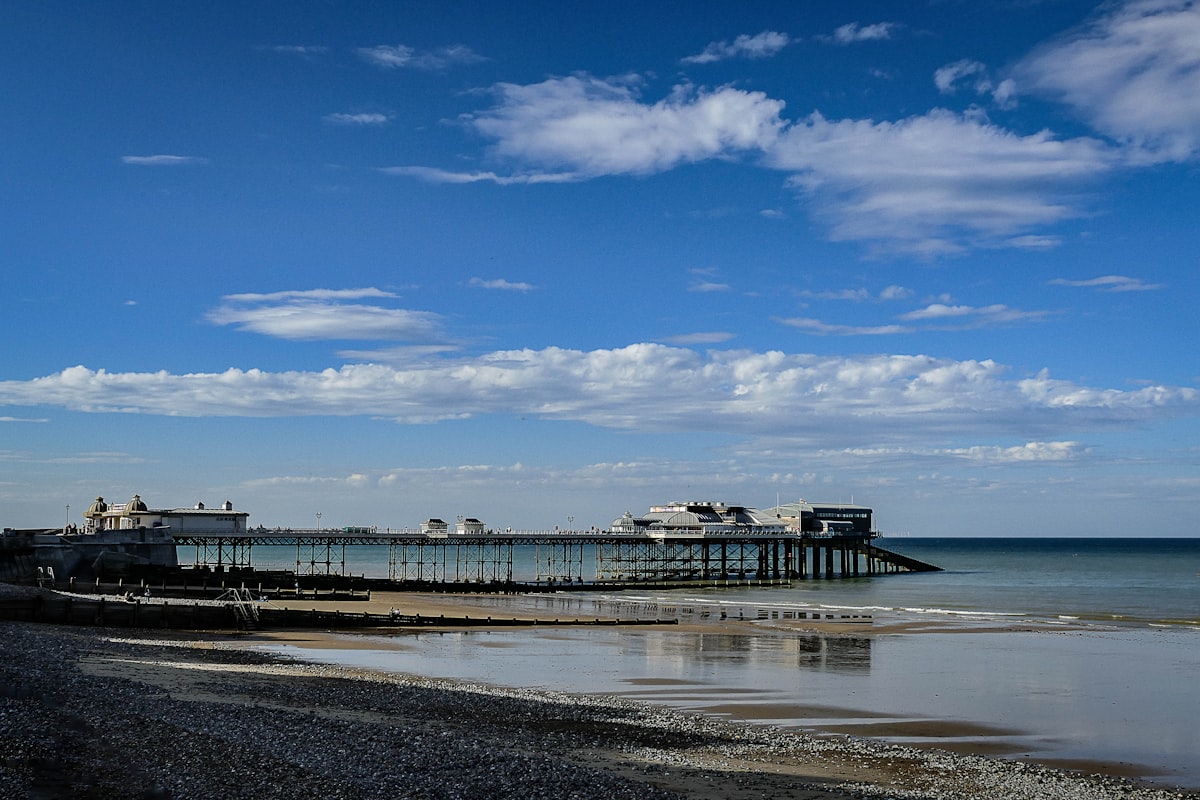
Daylight Requirements in North Norfolk
Understanding daylight requirements in North Norfolk, from the new Local Plan 2024-2040 and Policy ENV8 to the Design Guide SPD and BRE BR 209 (2022). A practical guide for householders and developers in Cromer, Sheringham and Holt.
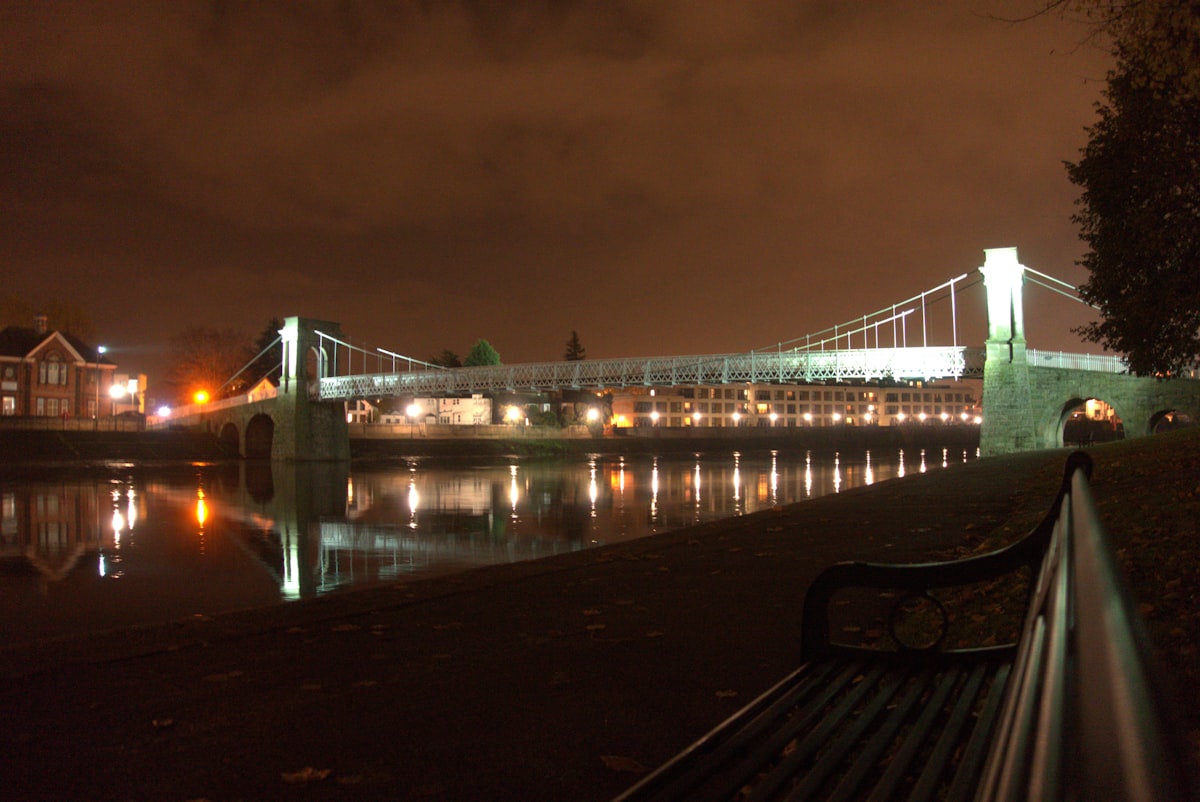
Daylight Requirements in Rushcliffe
How daylight requirements in Rushcliffe are assessed under the adopted Local Plan, the Design Code SPD and BRE BR 209 (2022). A practical guide for householders and developers in West Bridgford and across the borough.
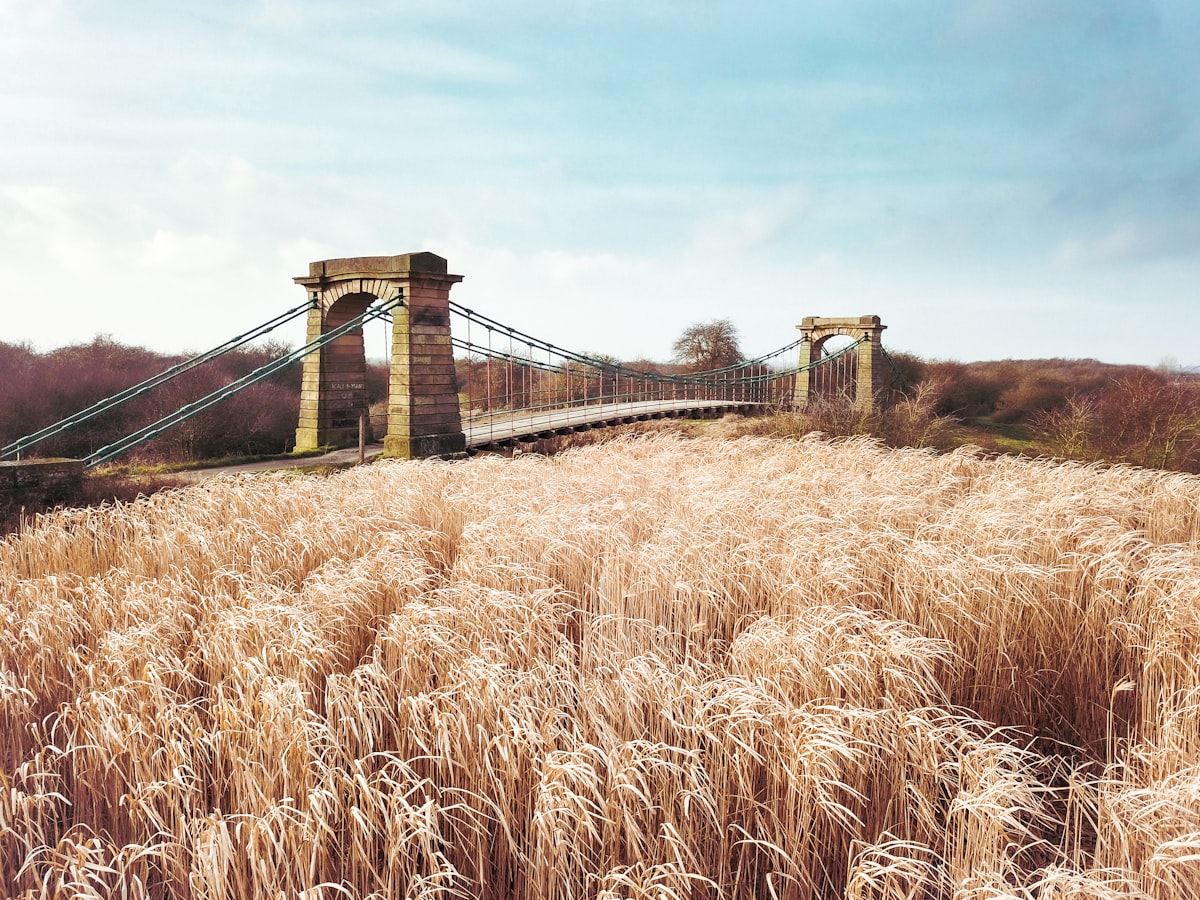
Daylight Requirements in Boston
How daylight and sunlight are judged in Boston, Lincolnshire, covering the South East Lincolnshire Local Plan 2019, Policies 2 and 3, the joint plan shared with South Holland, the historic core around St Botolph's, and the BRE 2022 standards.
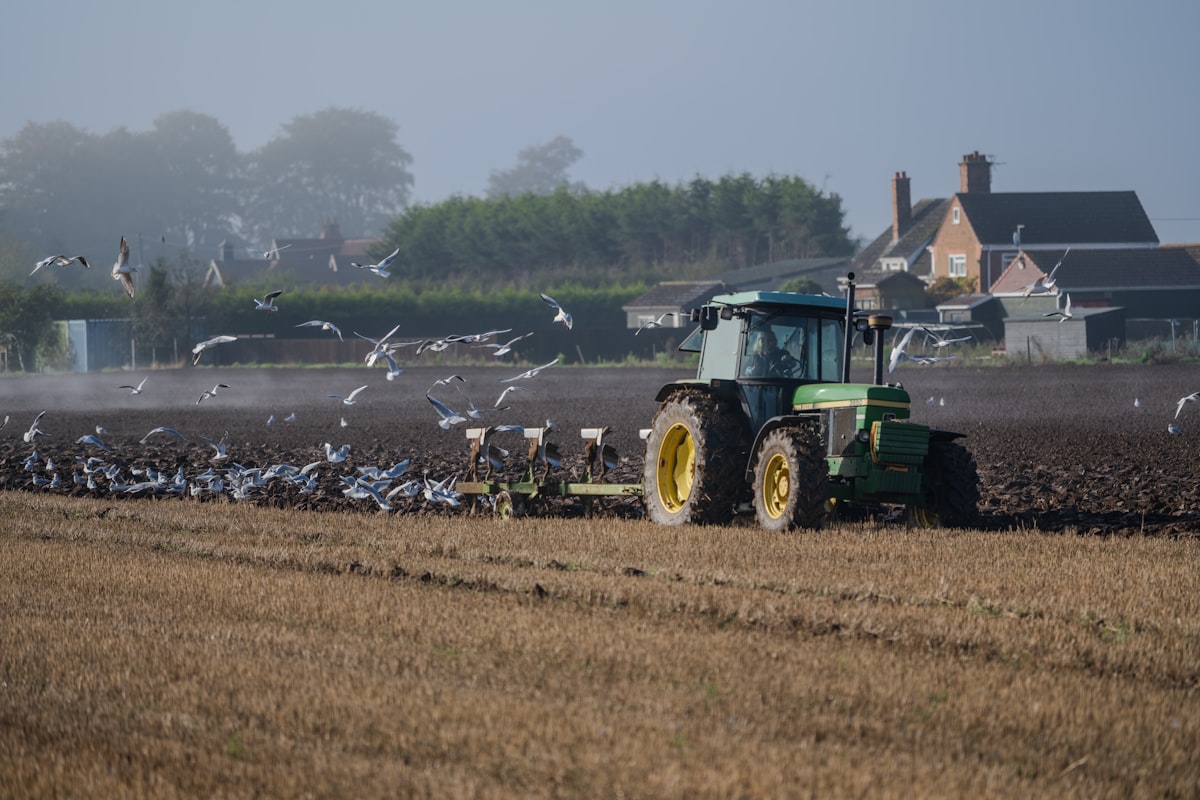
Daylight Requirements in South Holland
A practical guide to daylight and sunlight in South Holland, covering the South East Lincolnshire Local Plan 2019, Policies 2 and 3, the joint plan shared with Boston, and the BRE 2022 standards applied in Spalding and the wider district.

Daylight Requirements in North Kesteven
How daylight and sunlight are assessed for planning in North Kesteven, covering the Central Lincolnshire Local Plan 2023, Policy S53 Design and Amenity, Sleaford and North Hykeham, the district's RAF heritage, and how BRE BR 209 (2022) applies.
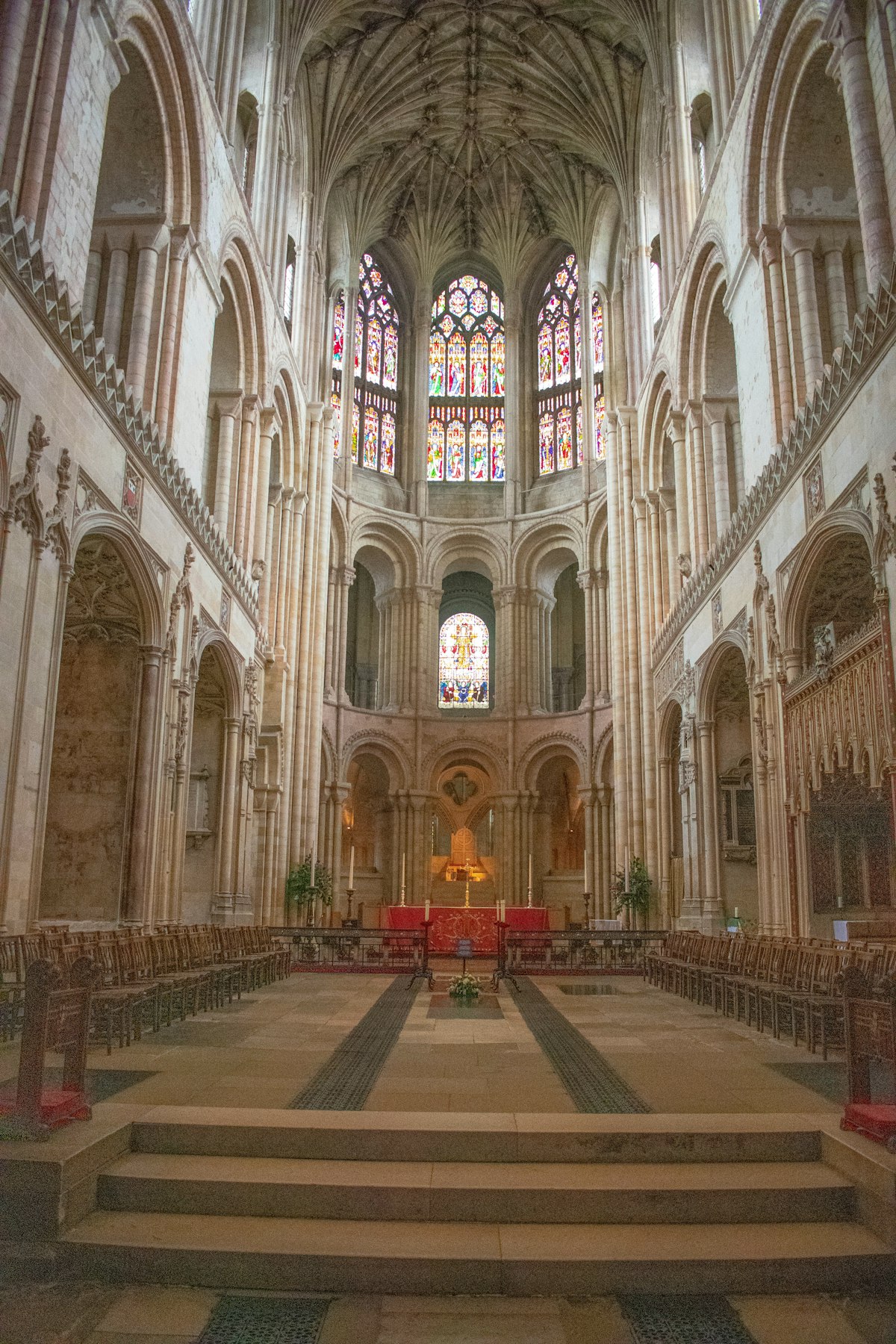
Daylight Requirements in Norwich
A practical guide to daylight and sunlight in Norwich planning applications: the Greater Norwich Local Plan (adopted 2024), Norwich City Council Policy DM2 on living conditions, when a daylight assessment is needed, and how the historic city shapes amenity decisions.
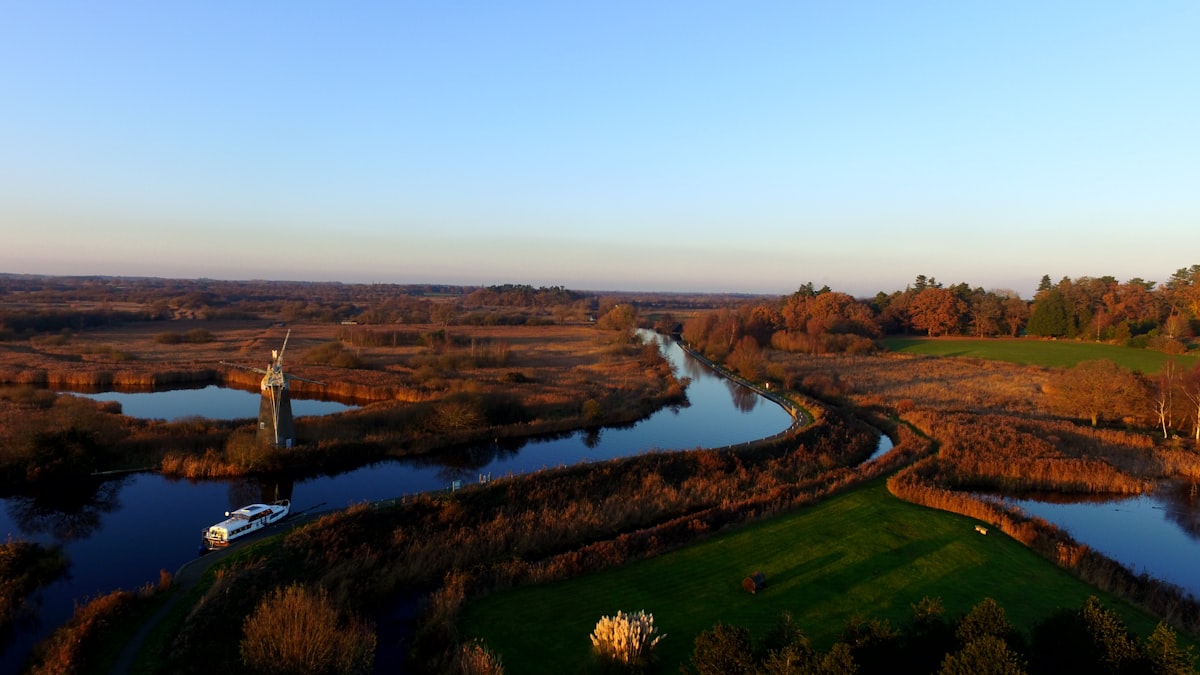
Daylight Requirements in Broadland
A clear guide to daylight requirements in Broadland, covering the Greater Norwich Local Plan, the retained Broadland Development Management DPD, the separate Broads Authority, and how a BRE BR 209 (2022) assessment supports applications in Aylsham, Sprowston and the Broads fringe
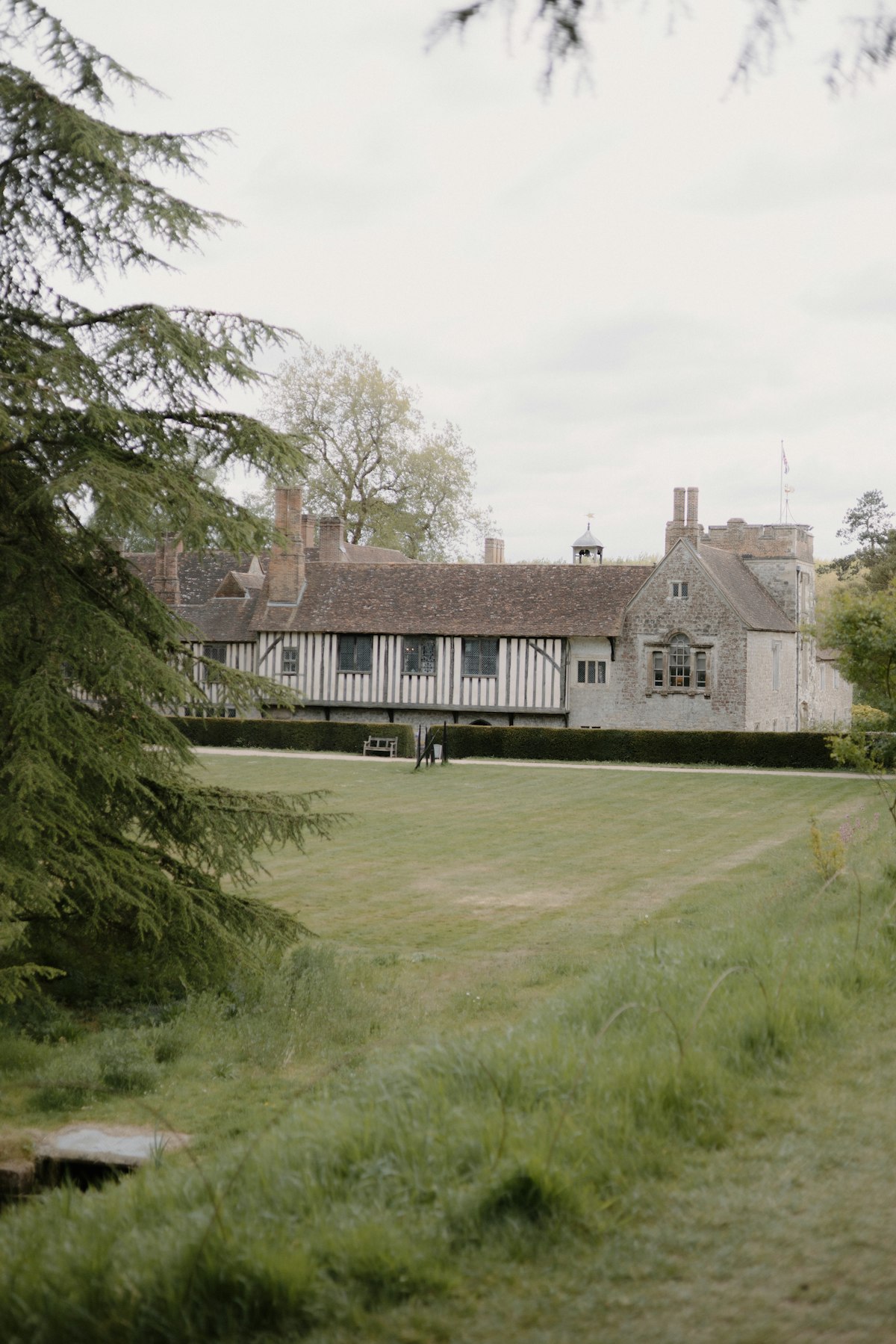
Daylight Requirements in West Lindsey
How daylight and sunlight are assessed in West Lindsey, covering the Central Lincolnshire Local Plan 2023, Policy S53 on design and amenity, the local validation position on daylight assessments, and what schemes in Gainsborough and Market Rasen should provide.
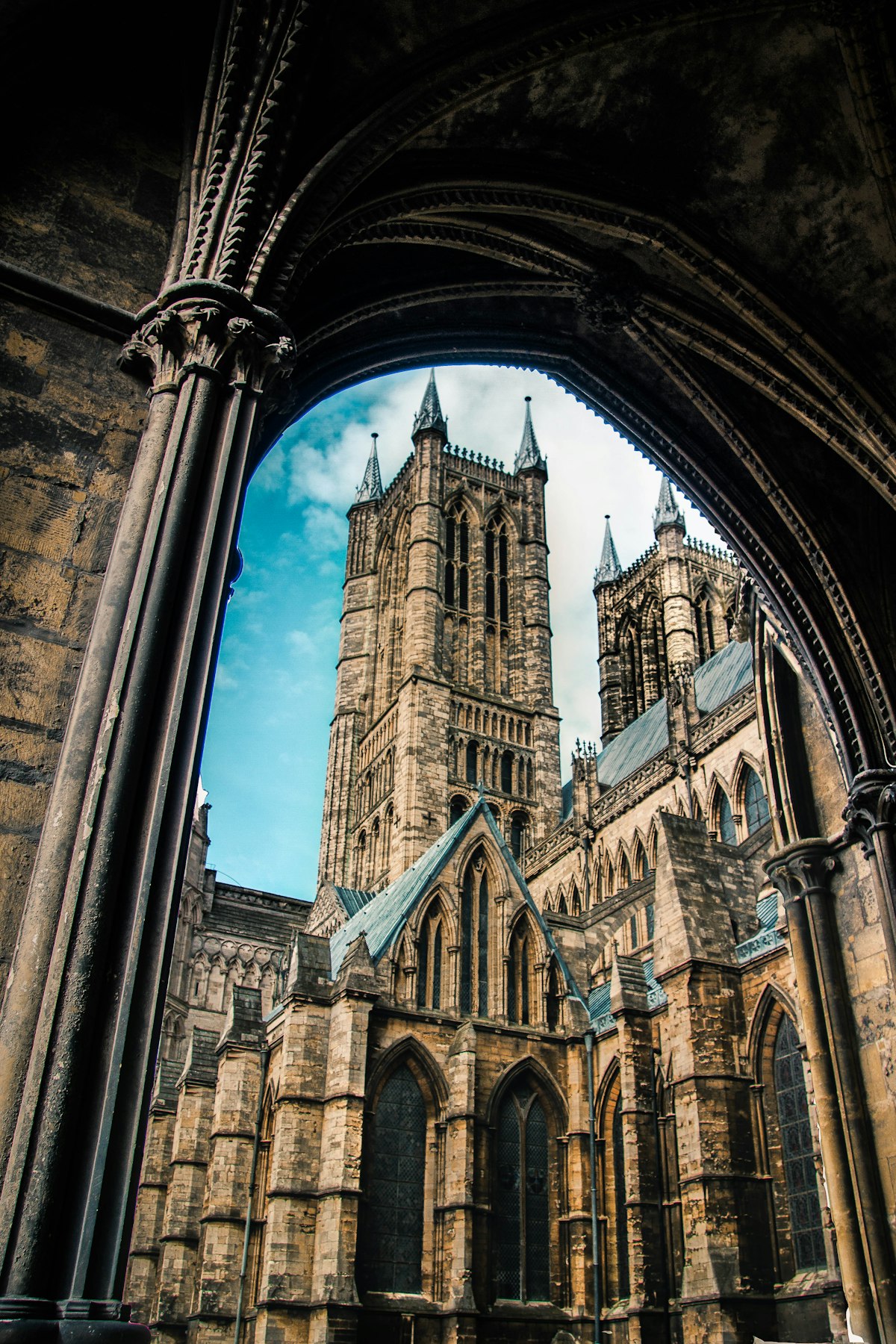
Daylight Requirements in Lincoln
How daylight and sunlight are assessed for planning in the City of Lincoln, covering the Central Lincolnshire Local Plan 2023, Policy S53 Design and Amenity, the historic city setting around the Cathedral and Steep Hill, and how BRE BR 209 (2022) applies.
Daylight Requirements in Great Yarmouth
Understand daylight requirements in Great Yarmouth, from the Local Plan Core Strategy and Local Plan Part 2 to the 2024 Design Code SPD, and how a BRE BR 209 (2022) assessment supports applications in this seaside and energy-port borough.
Daylight Requirements in South Kesteven
How daylight and sunlight are assessed in South Kesteven, covering the adopted Local Plan 2011-2036, Policy DE1, the Rutland and South Kesteven Design Guidelines SPD, and the BRE 2022 standards applied across Grantham, Stamford and Bourne.
Daylight Requirements in North West Leicestershire
How daylight and sunlight are assessed for planning in North West Leicestershire, covering the adopted Local Plan amenity and design policies, the Good Design SPD, the National Forest setting, and how BRE BR 209 (2022) fits in.
Daylight Requirements in South Norfolk
A practical guide to daylight requirements in South Norfolk, covering the Greater Norwich Local Plan, retained South Norfolk amenity and design policies, and how BRE BR 209 (2022) assessments support planning applications in Wymondham, Diss and Long Stratton.
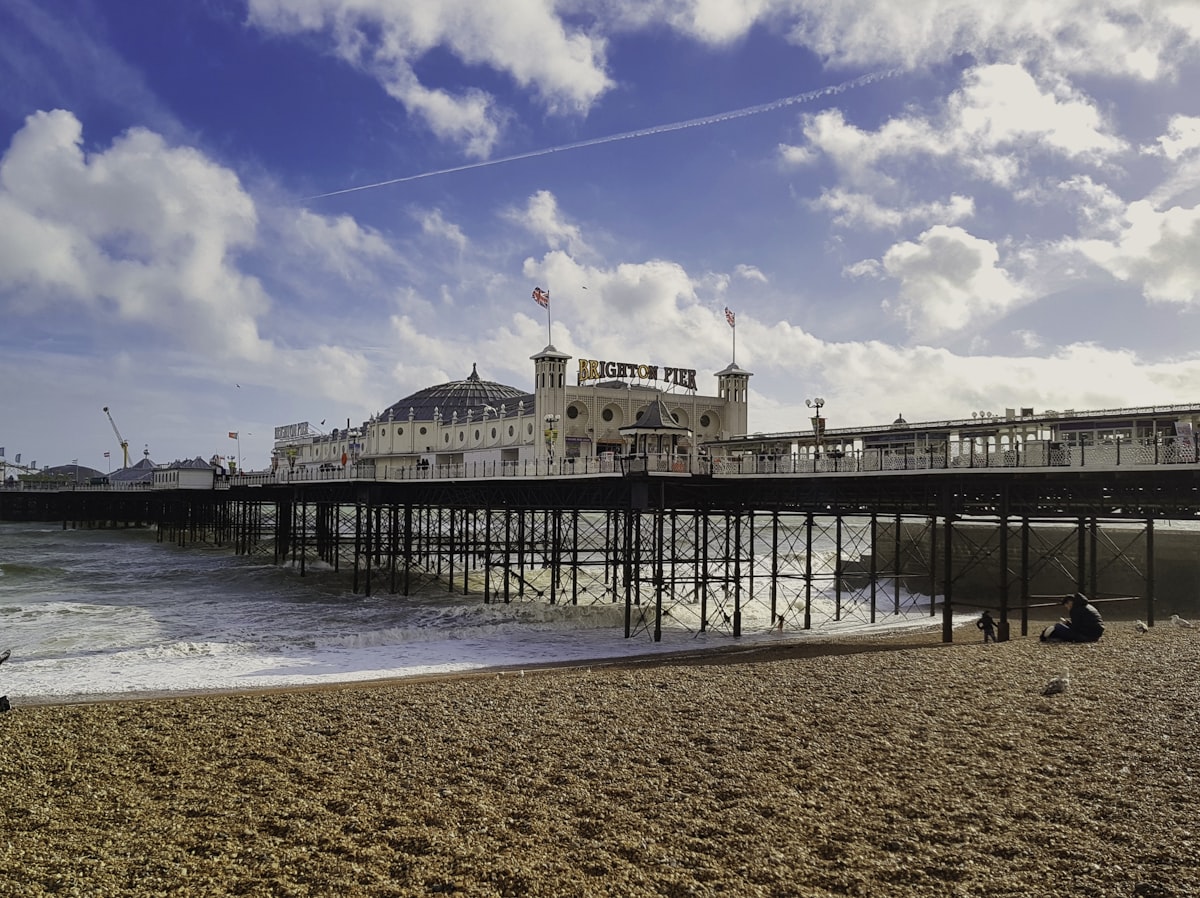
Daylight Requirements in East Lindsey
How daylight and sunlight are assessed in East Lindsey planning applications, the local validation requirement for a Sunlight/Daylight Assessment, and how the adopted 2018 Local Plan protects residential amenity across Skegness, Louth and Mablethorpe.
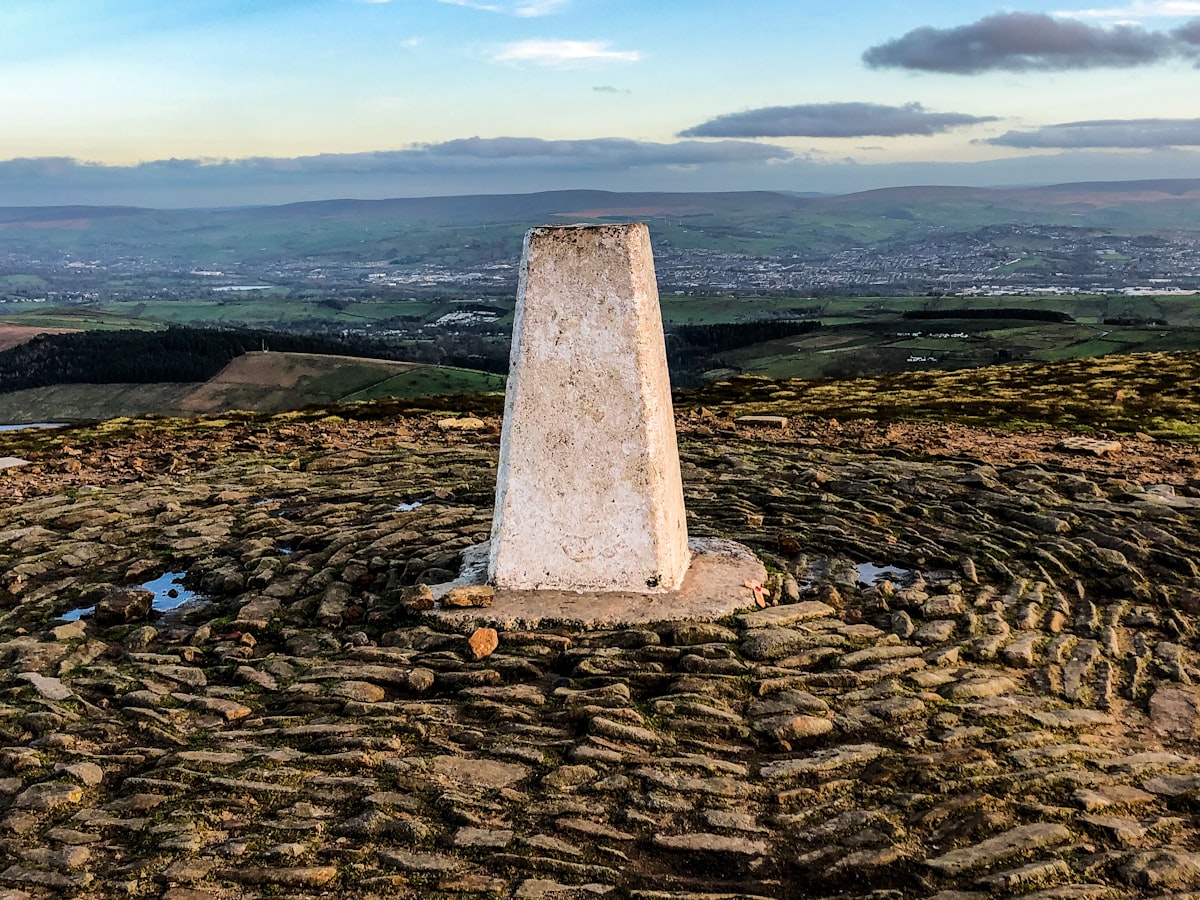
Daylight Requirements in Pendle
A clear guide to the daylight and sunlight requirements in Pendle, covering the newly adopted Local Plan Fourth Edition design and amenity policies, the long-standing Design Principles SPD for extensions, and how BRE BR 209 assessments support an application.
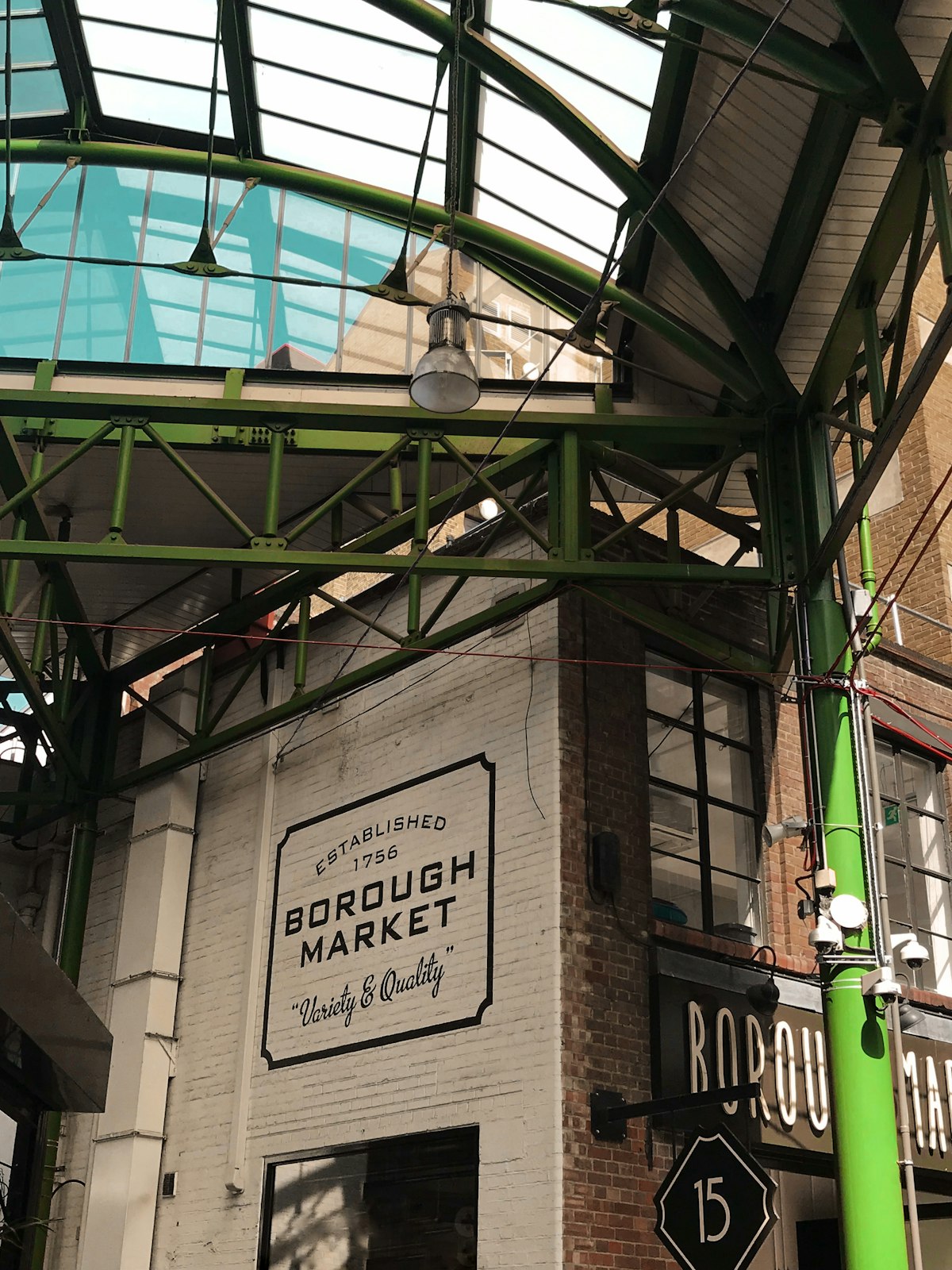
Daylight Requirements in Hinckley and Bosworth
A clear guide to daylight and sunlight in Hinckley and Bosworth: the Local Plan 2006 to 2026, Policy DM10 on development and design, and how a BRE BR 209 (2022) assessment supports planning applications in this Leicestershire borough.

Daylight Requirements in Harborough
A practical guide to daylight requirements in Harborough: how the Harborough Local Plan 2011-2031, Policy GD8 and the Development Management SPD shape daylight, sunlight and amenity assessment around Market Harborough and Lutterworth.
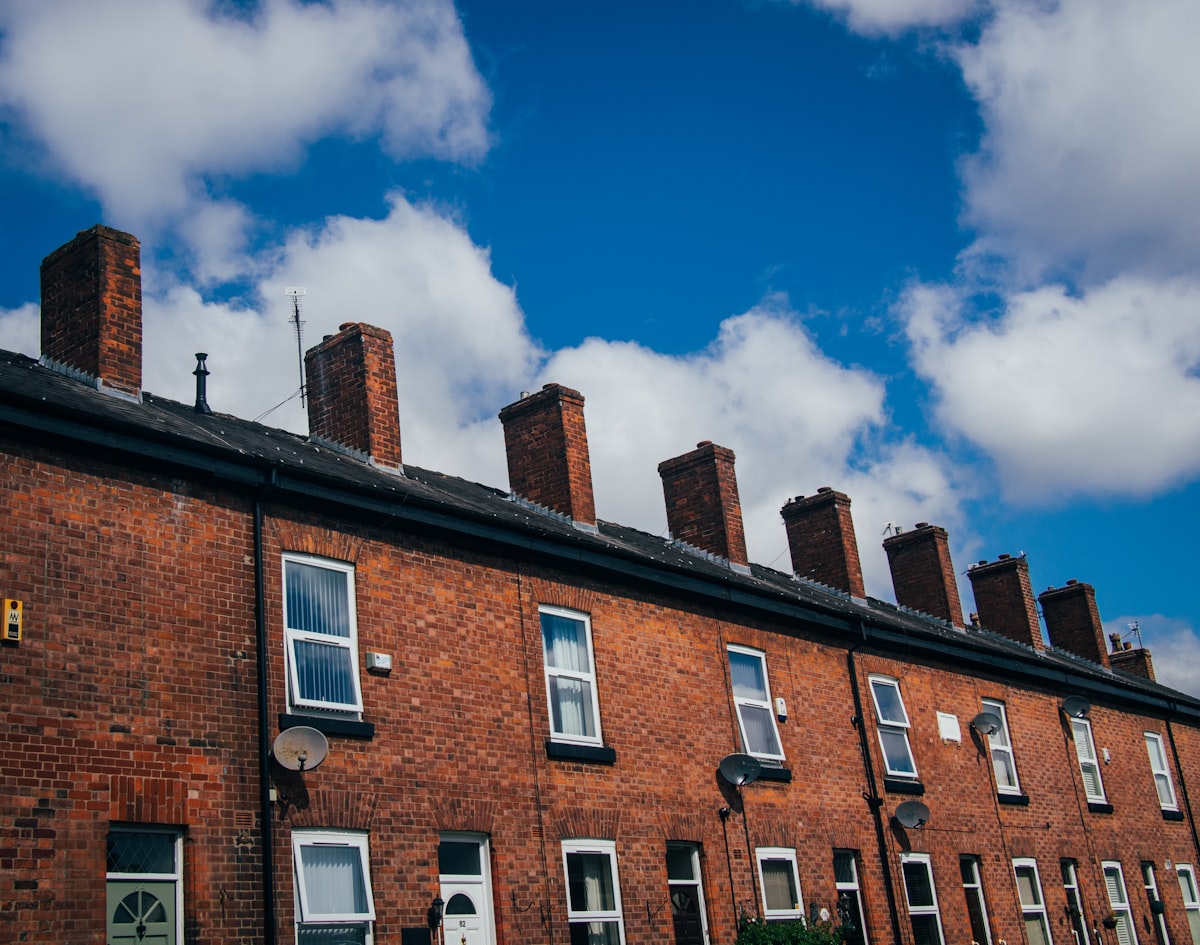
Daylight Requirements in Hyndburn
A clear guide to daylight requirements in Hyndburn: how the adopted Core Strategy, the Development Management DPD's amenity policies and BRE BR 209 (2022) shape daylight and sunlight assessments across Accrington, Oswaldtwistle, Great Harwood and the wider borough.
Daylight Requirements in Ribble Valley
A practical guide to the daylight and sunlight requirements in Ribble Valley, covering the adopted Core Strategy general considerations policy, its explicit daylighting and privacy expectations, and how BRE BR 209 assessments support a planning application.
Daylight Requirements in Blaby
A practical guide to daylight and sunlight in Blaby District: the 2013 Core Strategy, the 2019 Delivery DPD's Policy DM1 on design and amenity, and how a BRE BR 209 (2022) assessment supports a planning application on the Leicester fringe.
Daylight Requirements in Rossendale
A practical guide to daylight requirements in Rossendale: how the adopted Rossendale Local Plan 2019 to 2036, the council's residential extensions guidance and BRE BR 209 (2022) shape daylight and sunlight assessments across Rawtenstall, Bacup and the Pennine valleys.

Daylight Requirements in Charnwood
Understanding daylight requirements in Charnwood: how the adopted Charnwood Local Plan 2021-37, Policy DS5 and the Design SPD shape daylight and sunlight assessment for development in Loughborough and the wider borough.
Daylight Requirements in Lancaster
How daylight and sunlight are assessed for planning in Lancaster district, including the adopted Development Management DPD design and amenity policies, local privacy and separation guidance, and how BRE BR 209 fits in.
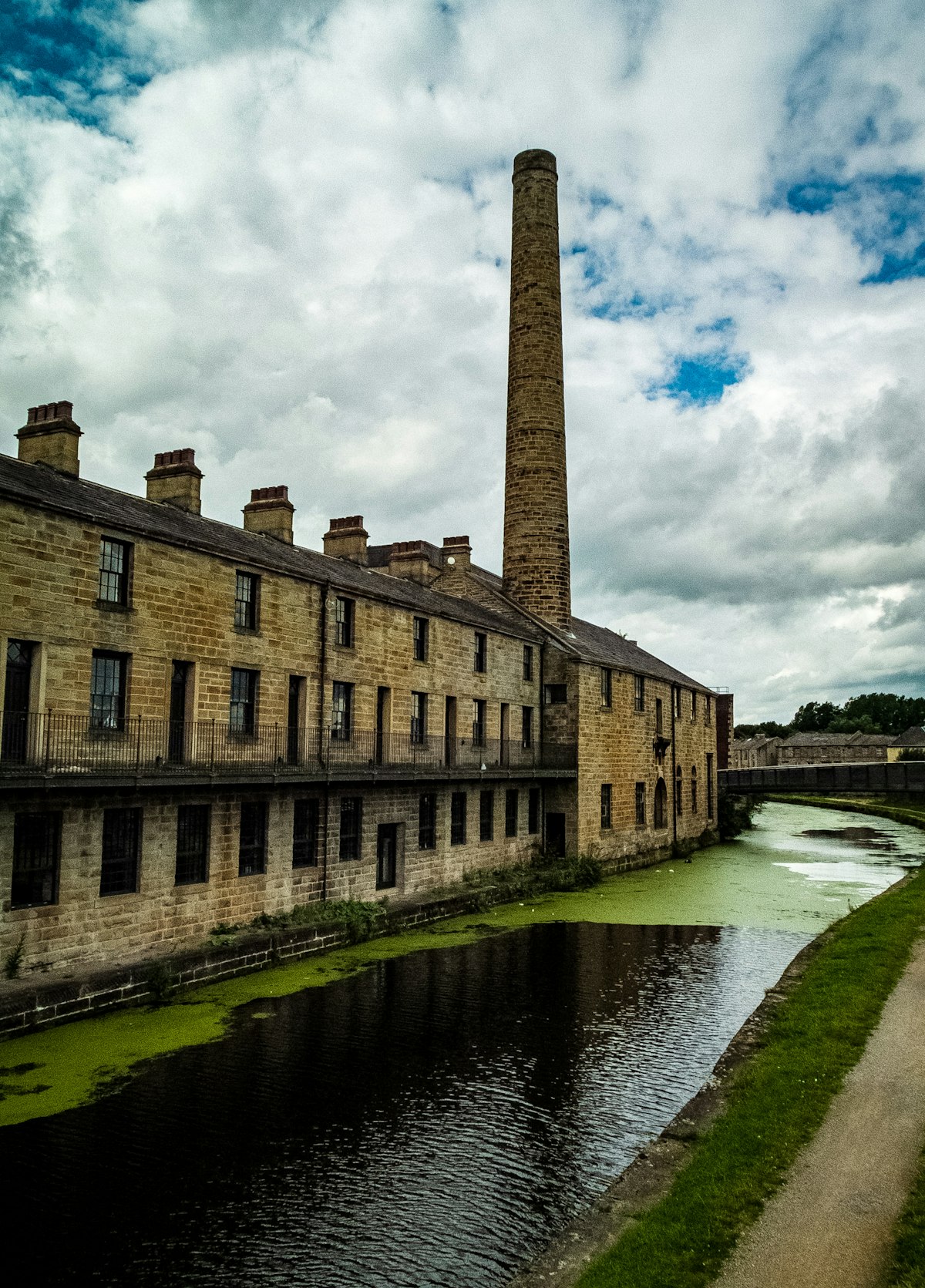
Daylight Requirements in Burnley
Understanding daylight requirements in Burnley: how the Burnley Local Plan, the Residential Extensions SPD and BRE BR 209 (2022) shape daylight and sunlight assessments for development in this Pennine mill town and the wider borough.
Daylight Requirements in Wyre
A clear guide to daylight requirements in Wyre, covering the Wyre Local Plan 2011-2031, Policy CDMP3 Design, the joint Extending Your Home SPD, and how BRE BR 209 and BS EN 17037 apply in Fleetwood, Poulton-le-Fylde and across the borough.
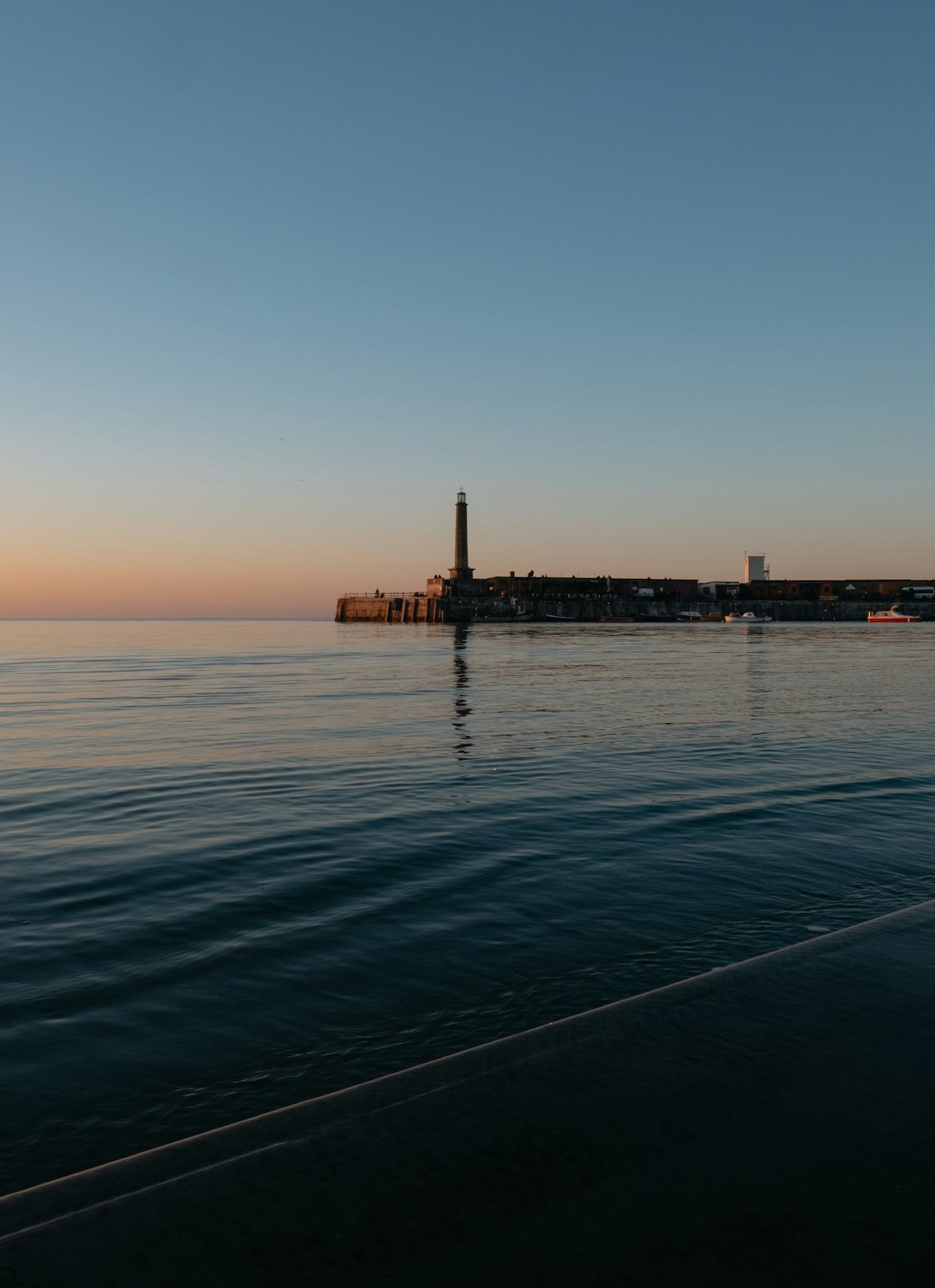
Daylight Requirements in Thanet
A practical guide to daylight requirements in Thanet: how the Thanet Local Plan 2020, Policies QD02 and QD03, and BRE BR 209 (2022) shape daylight and sunlight assessment across Margate, Ramsgate and Broadstairs.
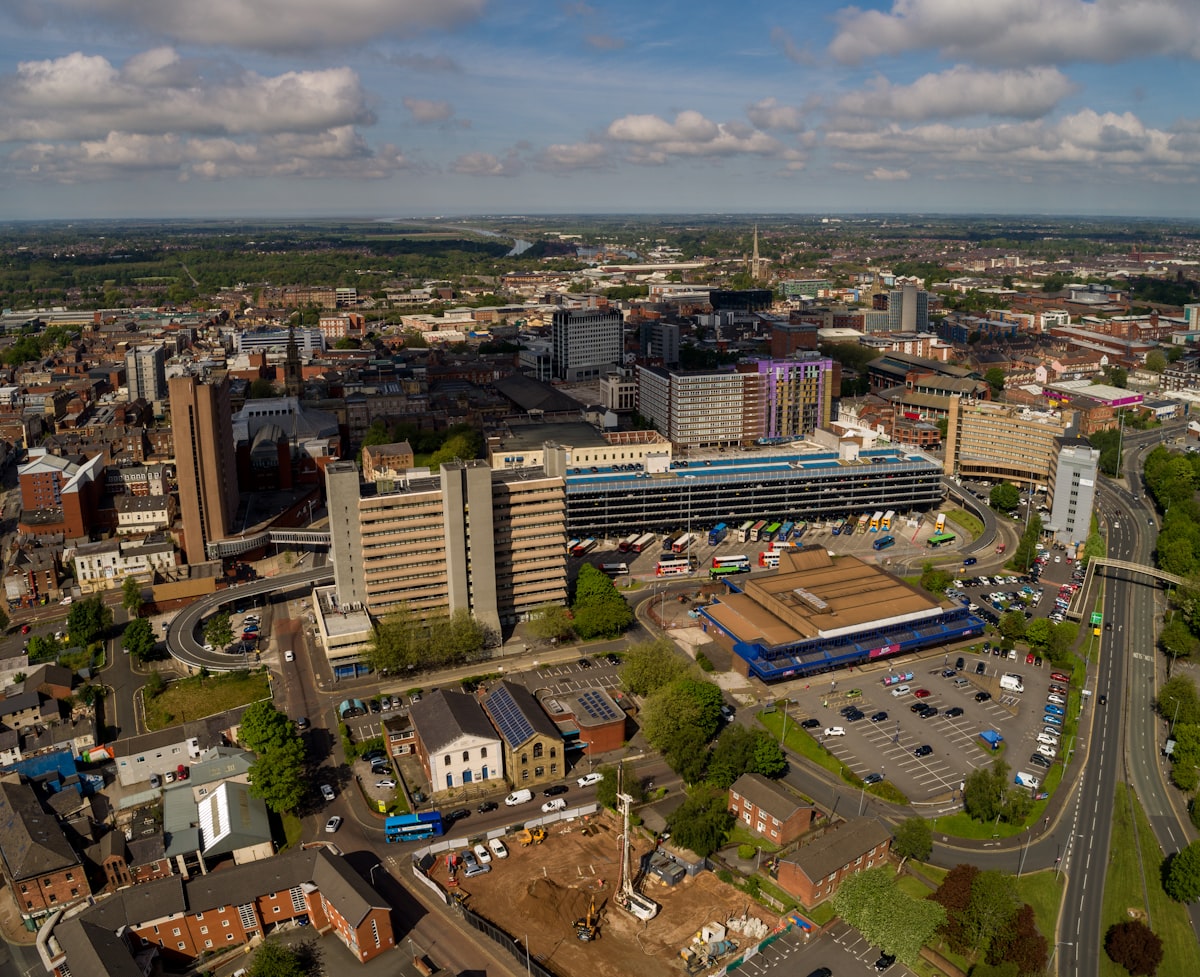
Daylight Requirements in Preston
A practical guide to daylight requirements in Preston: the Central Lancashire Core Strategy, the Preston Local Plan, and the city council's Residential Extensions and Alterations SPD, including the 45-degree rule and separation distances.
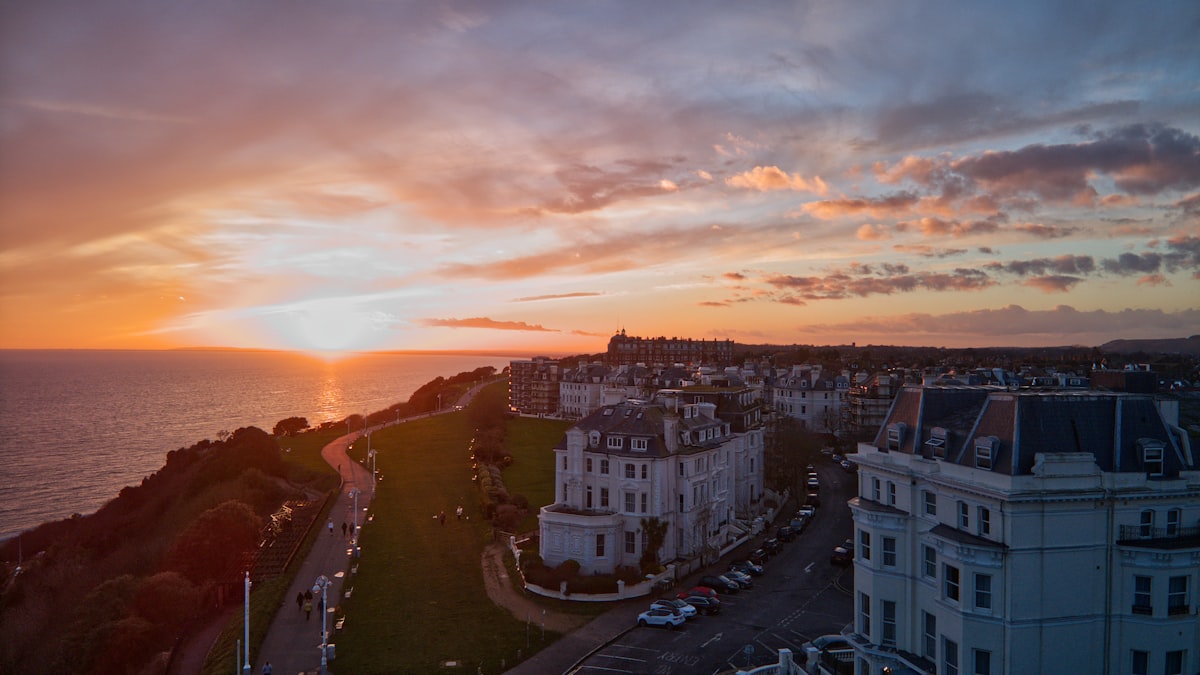
Daylight Requirements in Folkestone and Hythe
A clear guide to daylight requirements in Folkestone and Hythe: how the Places and Policies Local Plan (2020), the Core Strategy Review (2022), Policy HB1 and BRE BR 209 (2022) shape daylight and sunlight assessment along the Kent coast.
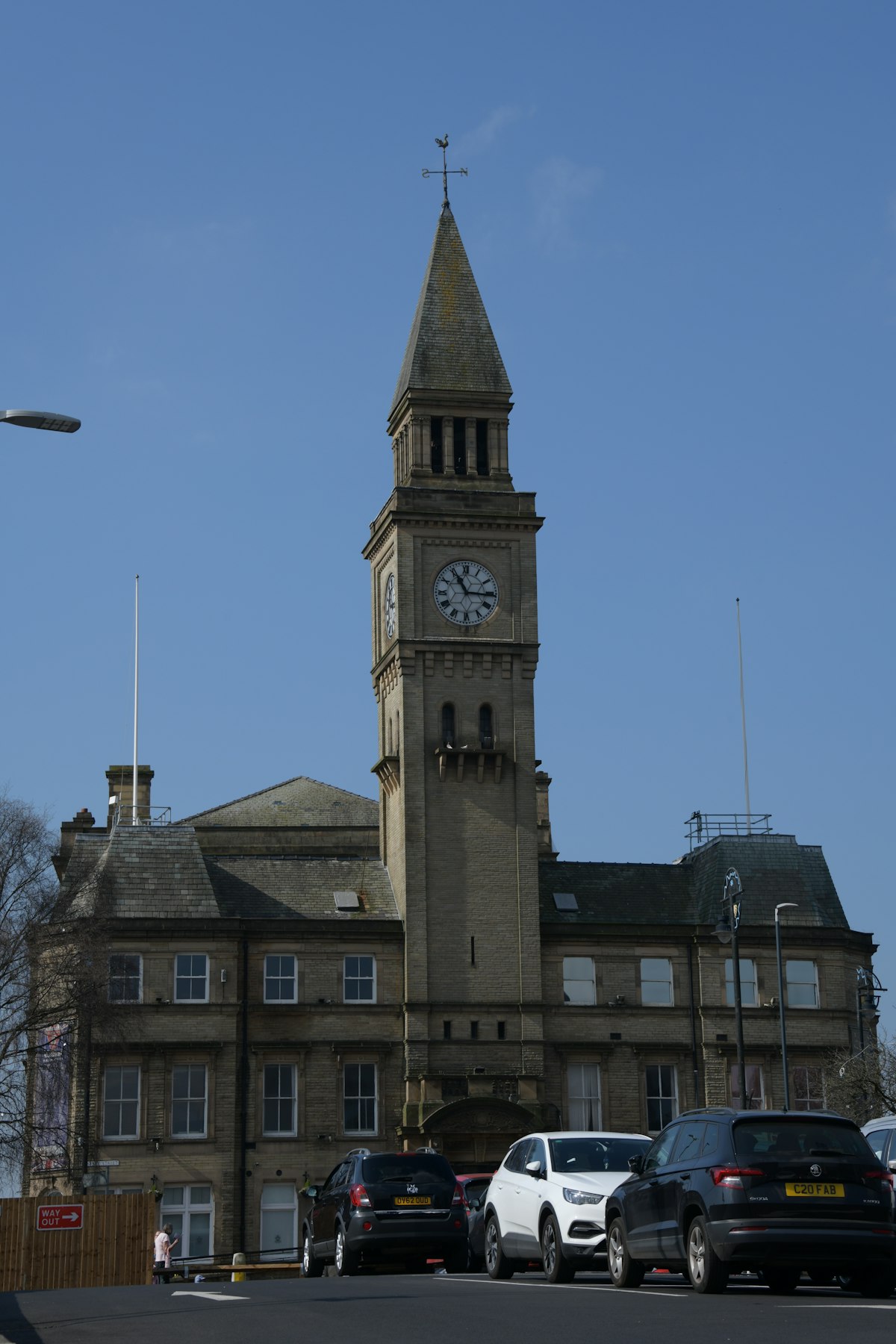
Daylight Requirements in Chorley
A practical guide to daylight requirements in Chorley, covering the adopted Chorley Local Plan 2012-2026, the Central Lancashire Core Strategy, Policy BNE1, the Householder Design Guidance SPD and how BRE BR 209 (2022) is applied to applications in Chorley town and the West Penni
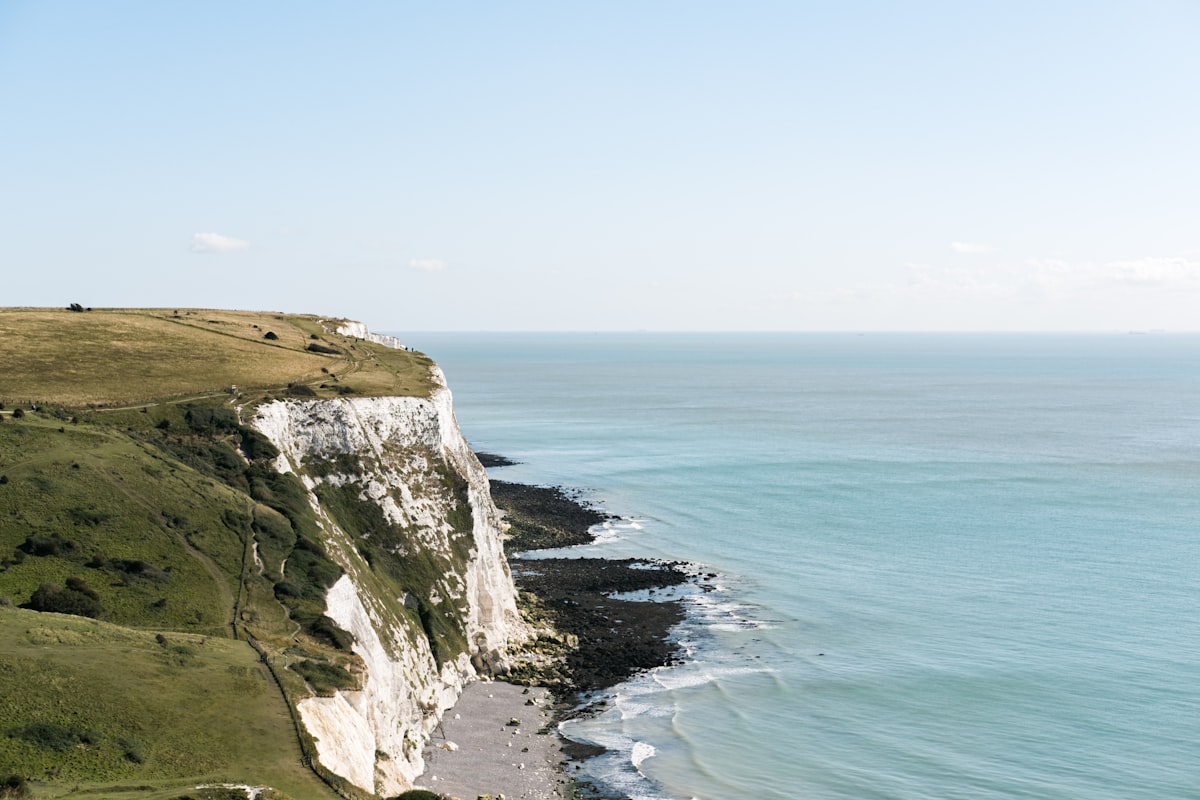
Daylight Requirements in Dover
A practical guide to daylight requirements in Dover: how the Dover District Local Plan to 2040, Policies PM1, PM2 and H6, and BRE BR 209 (2022) shape daylight and sunlight assessment across Dover, Deal and Sandwich.
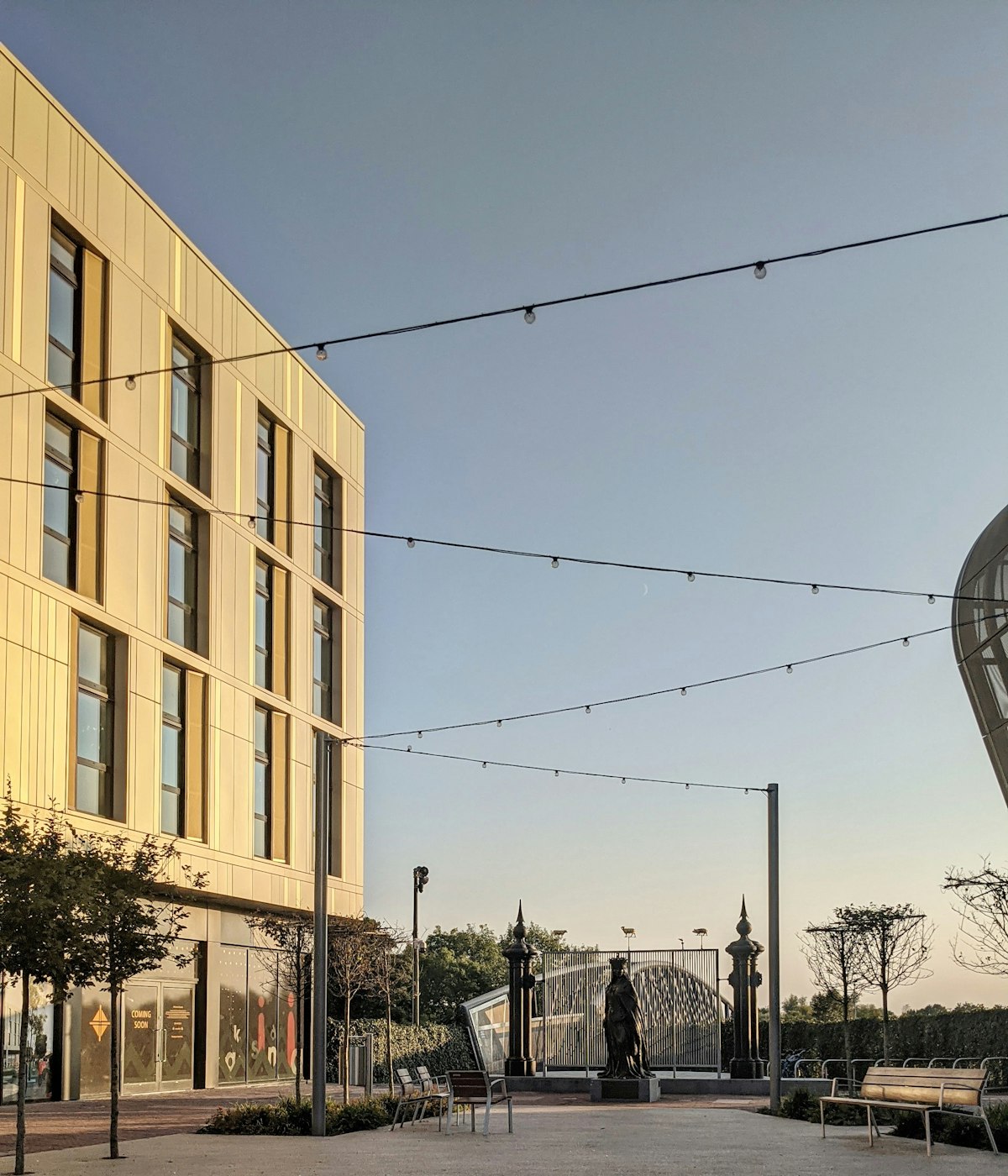
Daylight Requirements in Ashford
A practical guide to daylight requirements in Ashford: how the Ashford Local Plan 2030, Policy SP6, the Residential Space and Layout SPD and BRE BR 209 (2022) shape daylight and sunlight assessment for new homes and extensions.
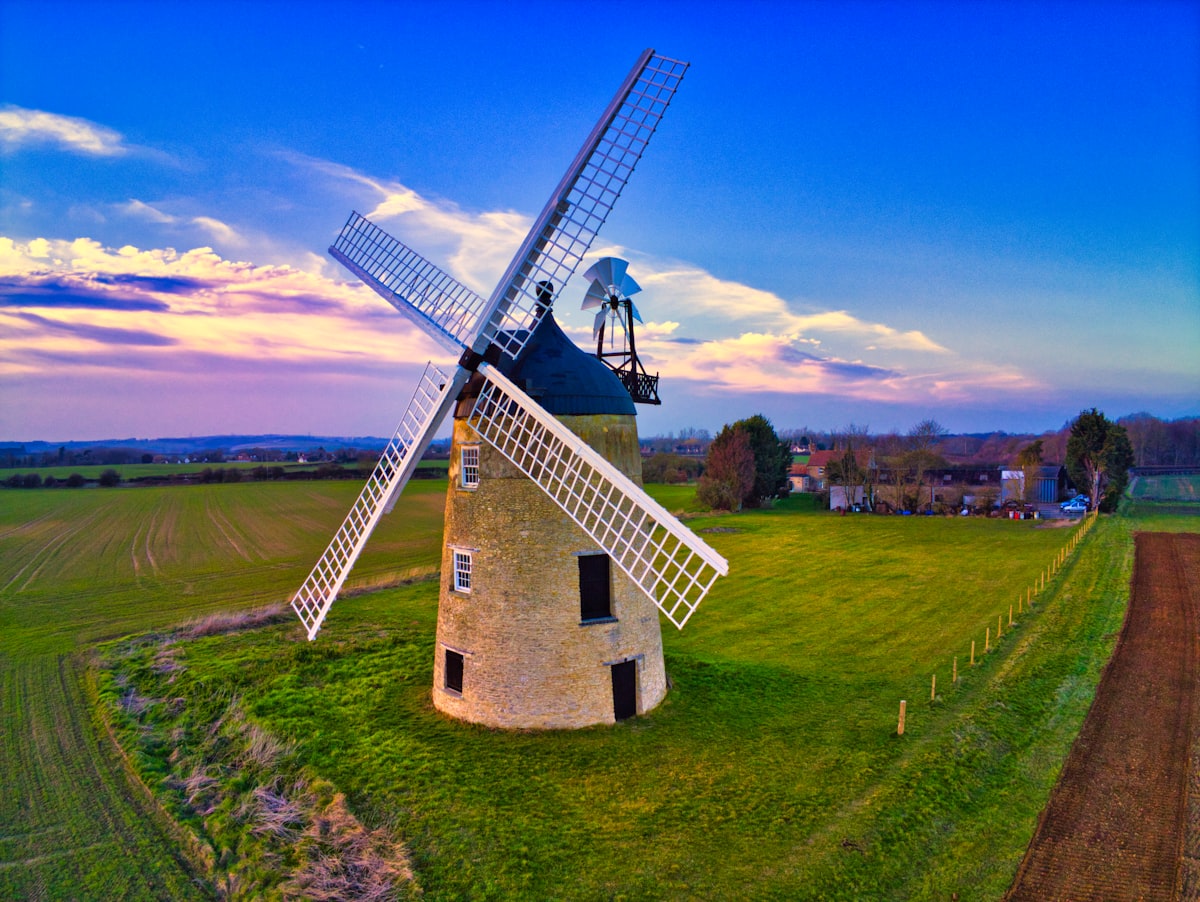
Daylight Requirements in Fylde
Understanding daylight requirements in Fylde, from the Fylde Local Plan to 2032 and Policy GD7 to the joint Extending Your Home SPD. A practical guide for homeowners, developers and agents in Lytham St Annes and across the borough.
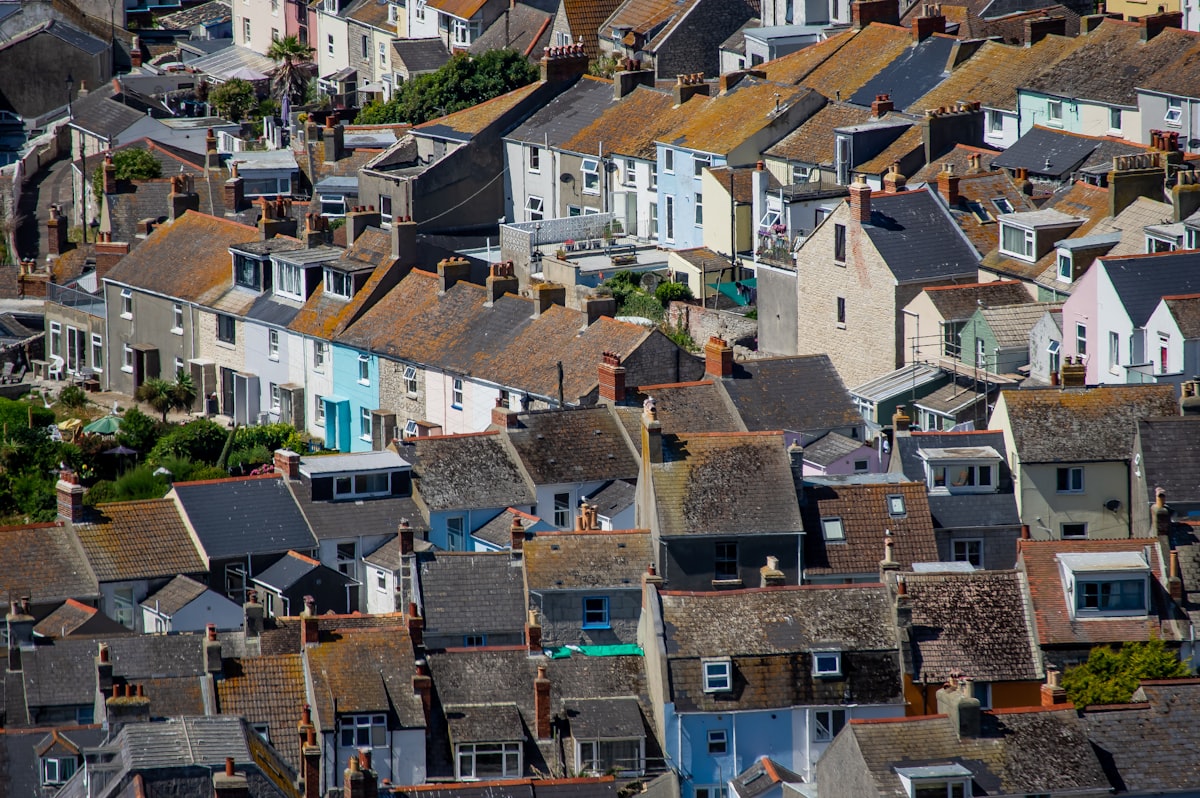
Daylight Requirements in West Lancashire
A practical guide to daylight requirements in West Lancashire, covering the adopted Local Plan 2012-2027, Policy GN3 design criteria, the Design Guide SPD and how BRE BR 209 (2022) is applied to planning applications in Skelmersdale, Ormskirk and the borough's rural villages.
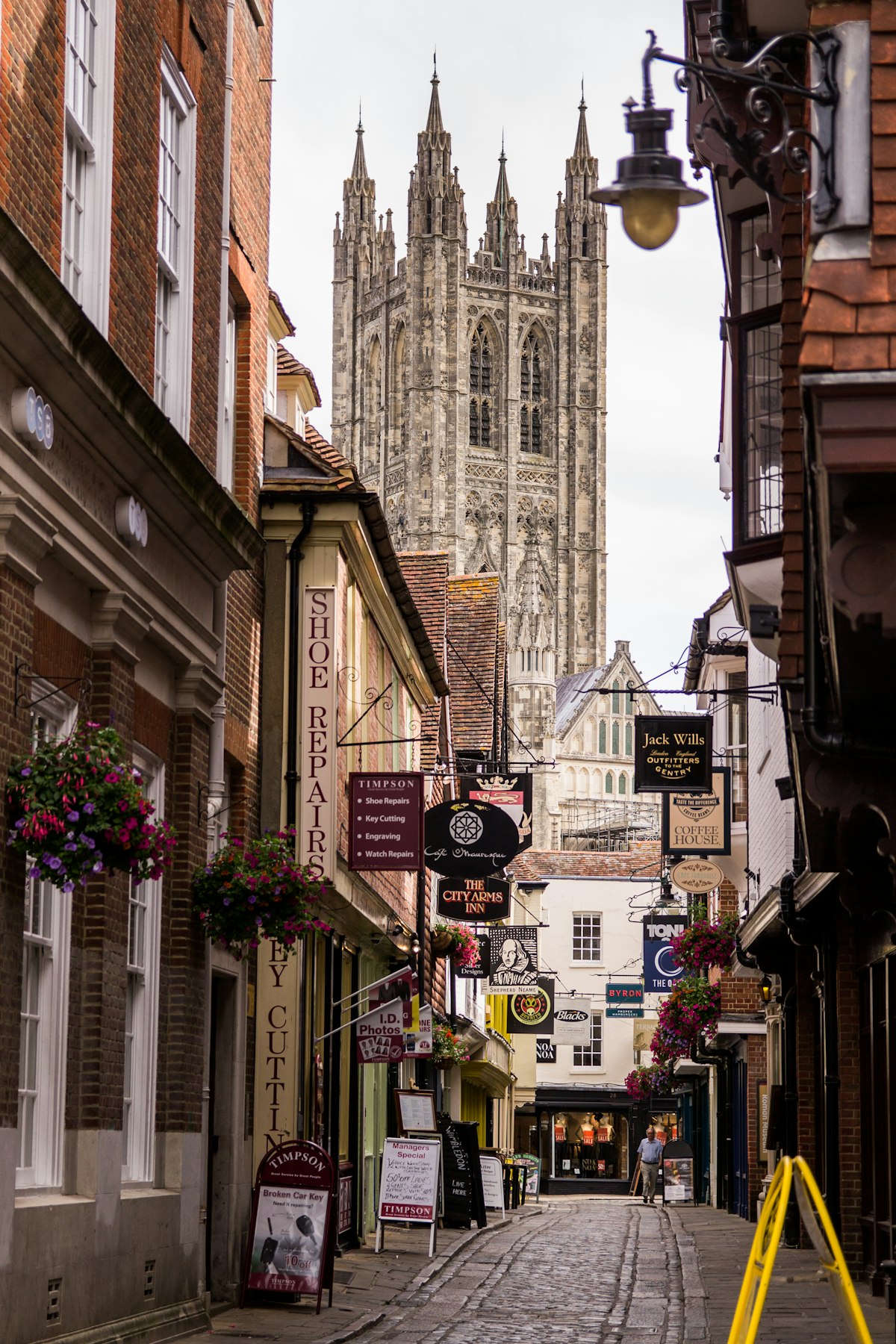
Daylight Requirements in Canterbury
Understanding daylight requirements in Canterbury: how the Canterbury District Local Plan, Policy DBE3 and DBE6, and BRE BR 209 (2022) shape daylight and sunlight assessment for development across the district.
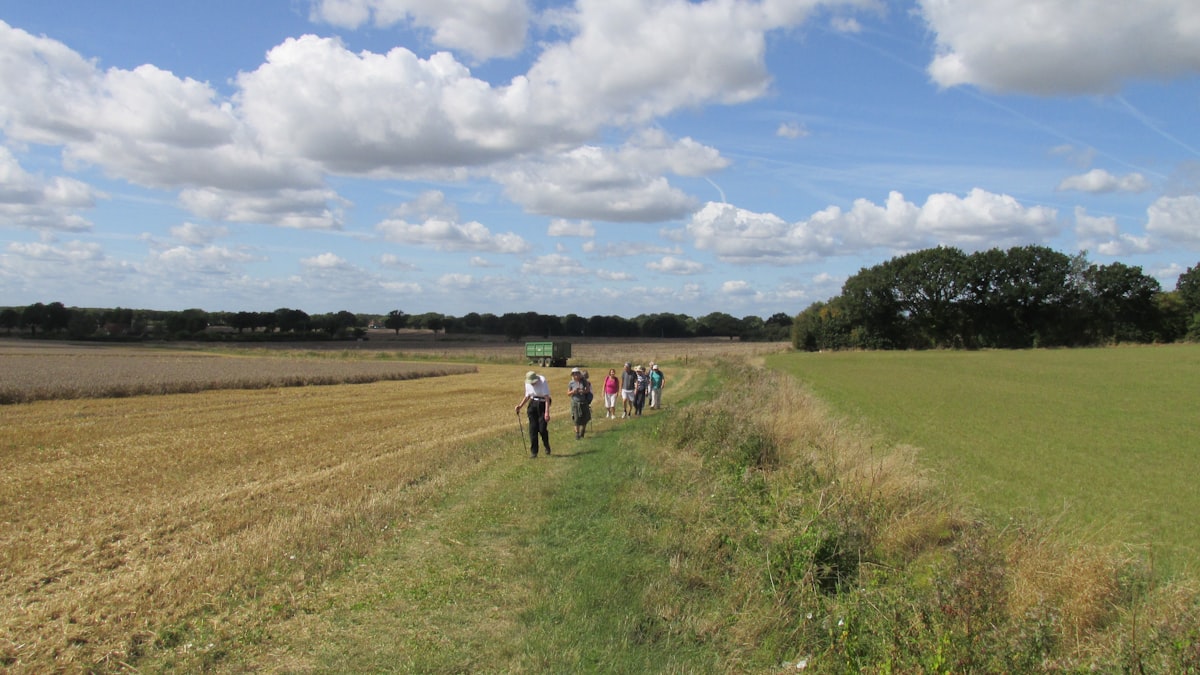
Daylight Requirements in Swale
Understanding daylight requirements in Swale: how the Bearing Fruits 2031 Local Plan, the Designing an Extension guidance and BRE BR 209 (2022) shape daylight and sunlight assessment across Sittingbourne, Faversham and the Isle of Sheppey.
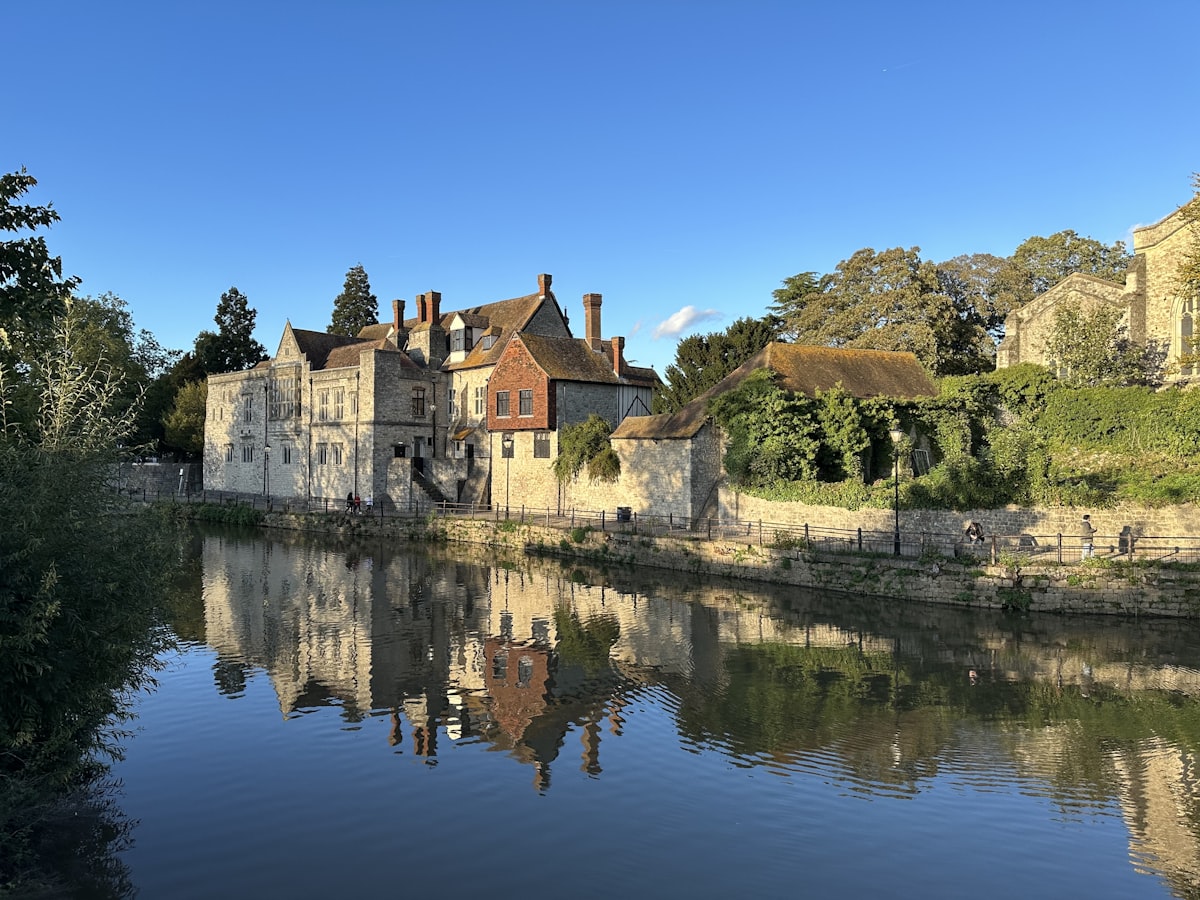
Daylight Requirements in Maidstone
A practical guide to daylight requirements in Maidstone, covering the adopted Local Plan Review 2021-2038, Policy DM1, the Residential Extensions SPD, BRE 2022 guidance and how a daylight and sunlight report supports your application.
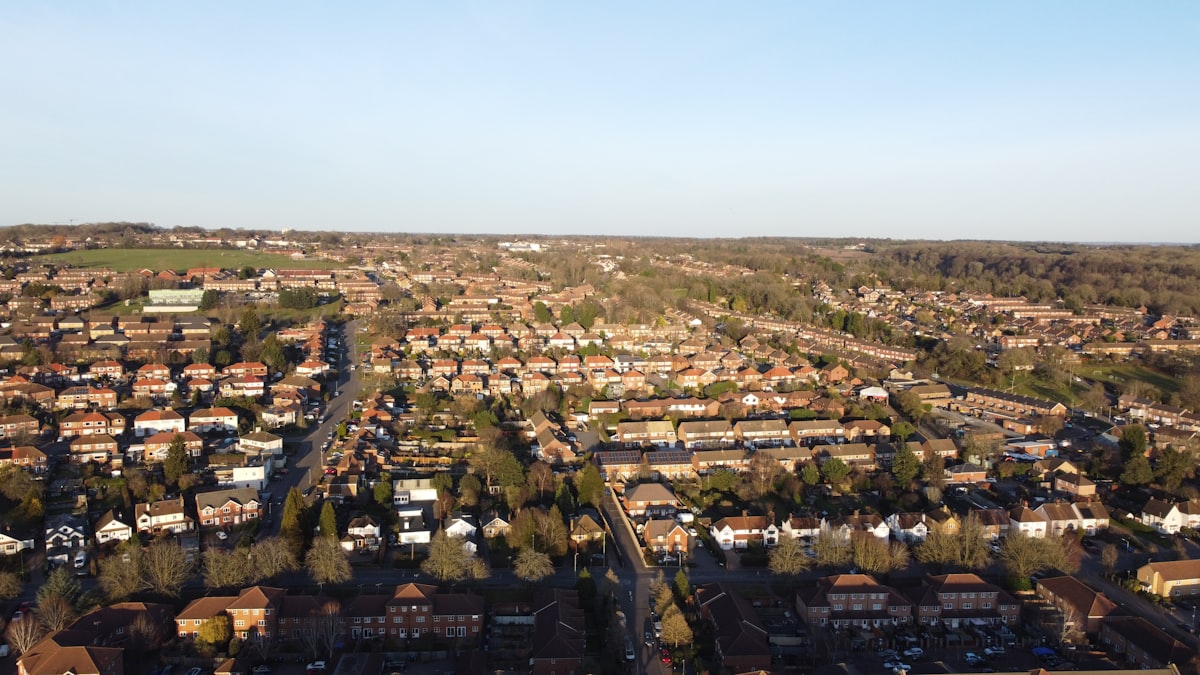
Daylight Requirements in Dacorum
How daylight and sunlight are assessed in Dacorum planning applications, from the adopted Core Strategy 2013 and Strategic Design Guide SPD to the BRE BR 209 (2022) method. A guide for Hemel Hempstead, Berkhamsted and Tring.
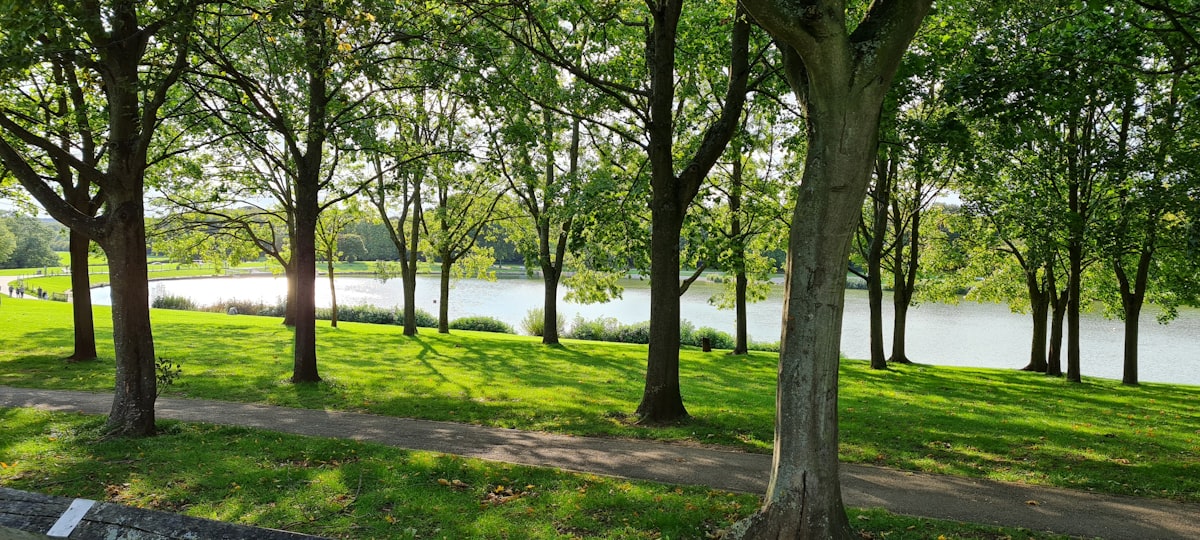
Daylight Requirements in Stevenage
A practical guide to daylight requirements in Stevenage, covering the Stevenage Borough Local Plan 2011-2031, Policies SP8 and GD1, the Stevenage Design Guide SPD, and how BRE BR 209 daylight and sunlight assessments support planning applications in the UK's first New Town.
Daylight Requirements in Sevenoaks
A clear guide to daylight requirements in Sevenoaks, covering the adopted Core Strategy 2011 and Allocations and Development Management Plan 2015, Policies EN1 and EN2, the Residential Extensions SPD, and how BRE BR 209 applies in this Green Belt and AONB district.

Daylight Requirements in Tunbridge Wells
A clear guide to daylight requirements in Tunbridge Wells, covering the newly adopted Local Plan 2020-2038, Policy EN1, the BRE 2022 guidance and how a daylight and sunlight report strengthens your planning application.
Daylight Requirements in St Albans
A practical guide to daylight and sunlight in St Albans planning applications, covering the saved 1994 District Local Plan Review, the council's design advice leaflets, the emerging Local Plan 2041 and the BRE BR 209 (2022) method.
Daylight Requirements in East Hertfordshire
A clear guide to daylight requirements in East Hertfordshire, covering the East Herts District Plan 2018, Policy DES4, the council's daylight and sunlight validation requirement, and how BRE BR 209 assessments support applications in Bishop's Stortford, Hertford and Ware.
Daylight Requirements in Gravesham
Everything householders, designers and developers need to know about daylight requirements in Gravesham, including the Local Plan Core Strategy 2014, Policy CS19, the borough's design SPDs, and how BRE BR 209 is applied in Gravesend and beyond.
Daylight Requirements in Tonbridge and Malling
A practical guide to daylight requirements in Tonbridge and Malling, covering the adopted development plan, design policy, the BRE 2022 guidance and how a professional daylight and sunlight report supports your application.
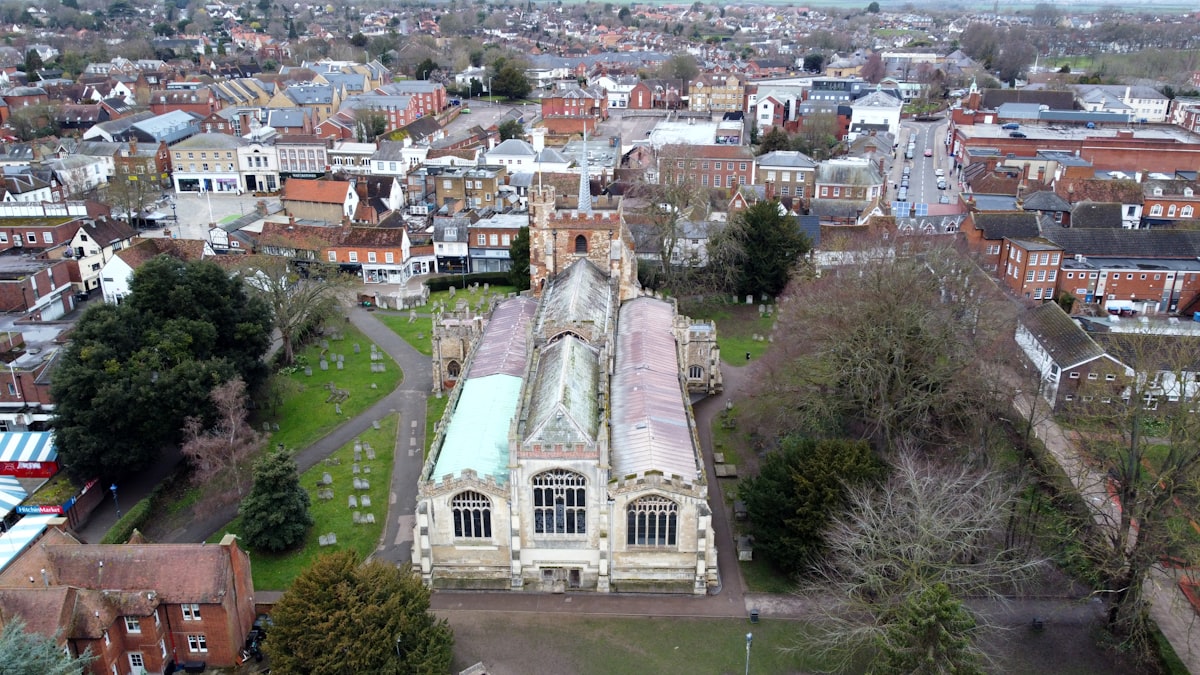
Daylight Requirements in North Hertfordshire
How daylight and sunlight are assessed in North Hertfordshire planning applications, from the adopted Local Plan 2011-2031 to BRE BR 209 (2022). A practical guide for householders and developers in Hitchin, Letchworth and Baldock.
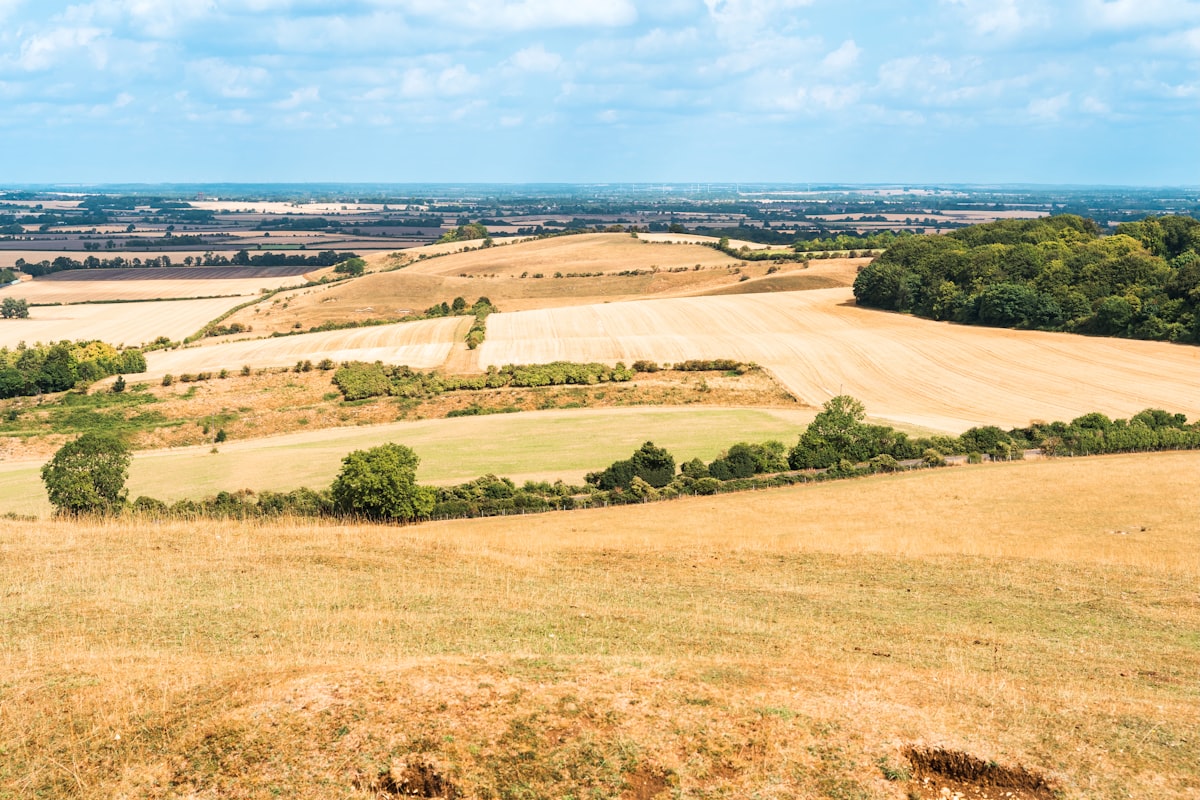
Daylight Requirements in Broxbourne
A practical guide to daylight requirements in Broxbourne, covering the Local Plan 2018-2033, the Residential Design and Amenity SPG, and how BRE BR 209 daylight and sunlight assessments support planning applications in Cheshunt, Hoddesdon and along the Lee Valley.
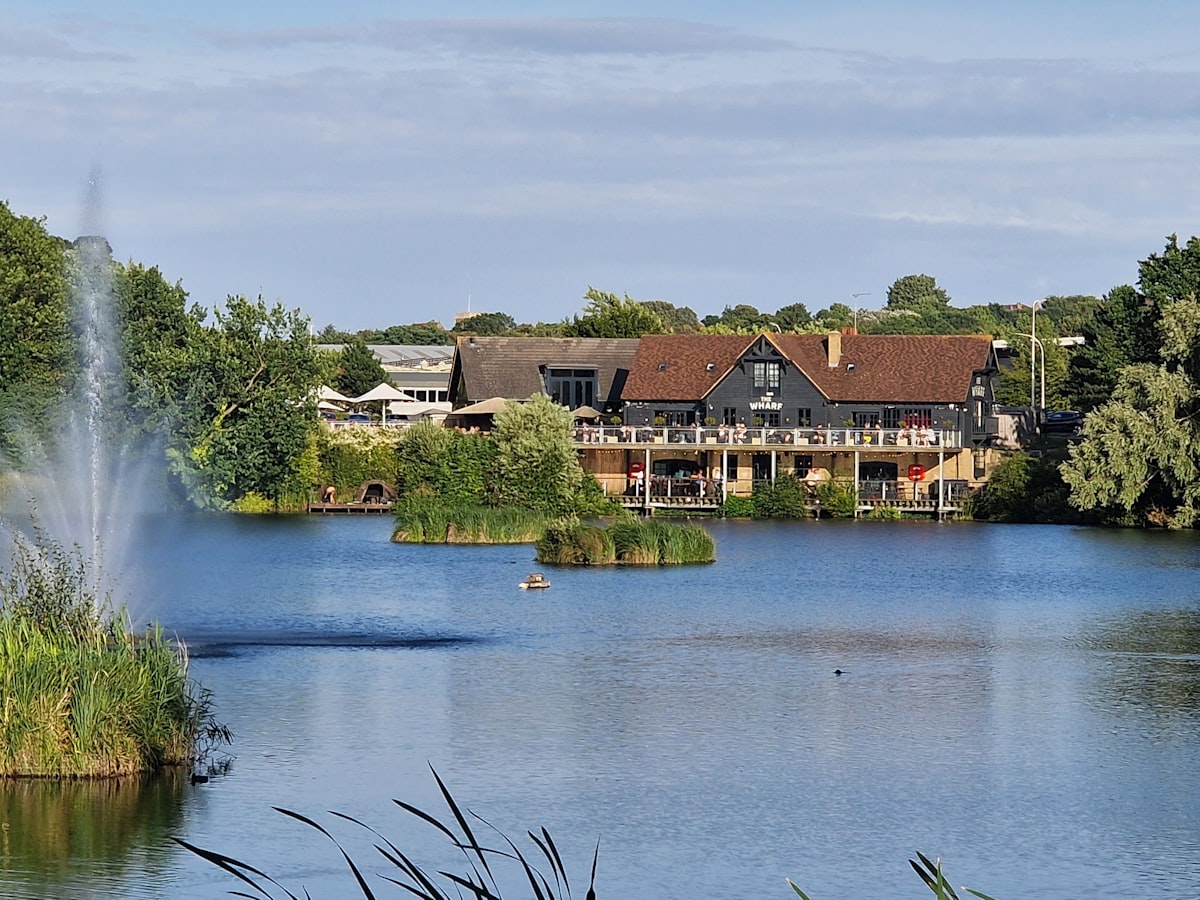
Daylight Requirements in Dartford
A practical guide to daylight requirements in Dartford for householders, developers and architects, covering The Dartford Plan 2024, residential amenity policy, the role of BRE BR 209, and how to evidence a scheme to the borough council.
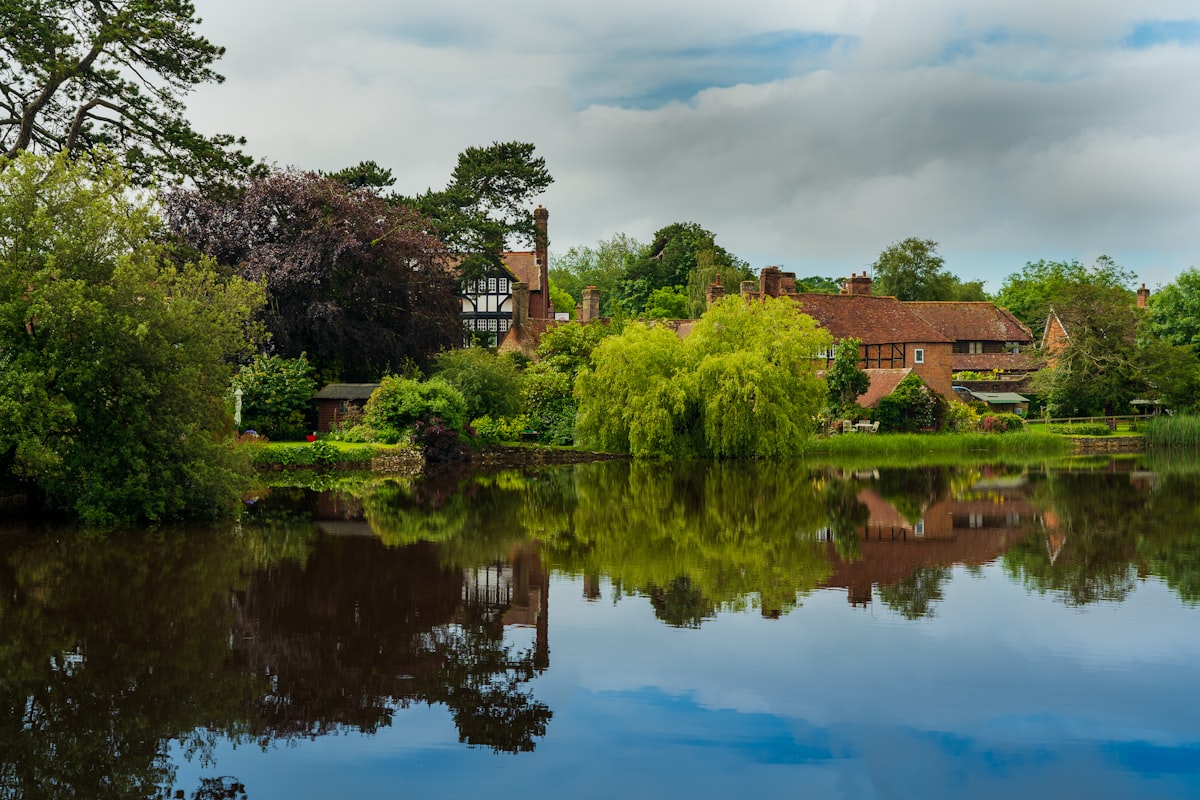
Daylight Requirements in Hart
Daylight requirements in Hart are shaped by the Hart Local Plan (Strategy and Sites) 2032, Policies NBE9 and NBE11, and a dedicated technical advice note setting out the 45 and 25 degree guidelines. Here is what applicants in Fleet, Yateley and across this Hampshire commuter dist
Daylight Requirements in Welwyn Hatfield
A guide to daylight and sunlight for planning in Welwyn Hatfield, covering the adopted Local Plan 2016-2036, Policy SADM11 Amenity and Layout, the validation requirements, and how BRE BR 209 (2022) applies in Welwyn Garden City and Hatfield.
Daylight Requirements in Test Valley
A clear guide to daylight requirements in Test Valley: how the adopted Borough Revised Local Plan 2011-2029, Policy LHW4 (Amenity) and BRE BR 209 govern daylight and sunlight in Andover, Romsey and across the borough.

Daylight Requirements in Three Rivers
Understanding daylight requirements in Three Rivers: how the Core Strategy (2011), the Development Management Policies (2013), Policy DM1 and the council's design criteria treat daylight, sunlight and privacy, and how Fortress Associates can help.
Daylight Requirements in Hertsmere
A practical guide to daylight and sunlight for planning in Hertsmere, covering the Local Plan 2012-2027, Policy SADM30, the Planning and Design Guide SPD, and how BRE BR 209 (2022) applies to schemes in Borehamwood, Elstree and Potters Bar.
Daylight Requirements in East Hampshire
Daylight requirements in East Hampshire are governed by the adopted Joint Core Strategy, Policies CP27 and CP29, and a detailed householder SPD that sets out a 45-degree daylight rule and separation distances. Here is what applicants in Alton, Petersfield and Whitehill & Bordon n
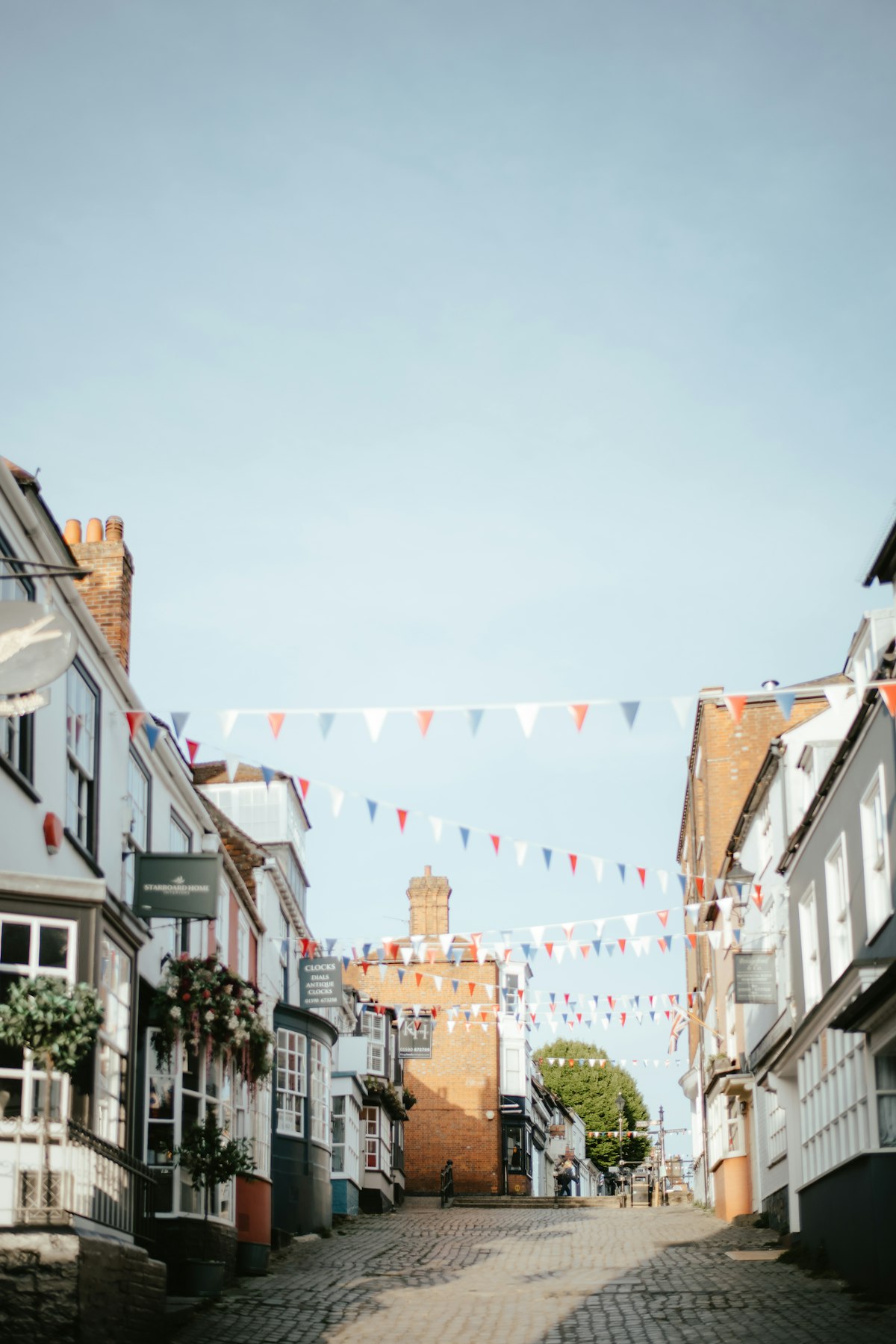
Daylight Requirements in New Forest
Understanding daylight requirements in New Forest: how the New Forest District Local Plan Part One (2020), Policy ENV3 and the council's validation checklist treat daylight and sunlight, and how Fortress Associates can help with BRE reports.

Daylight Requirements in Basingstoke and Deane
A practical guide to daylight requirements in Basingstoke and Deane: how the adopted Local Plan 2011-2029, Policy EM10 and the Design and Sustainability SPD's 25-degree and 45-degree rules shape daylight and sunlight assessments.
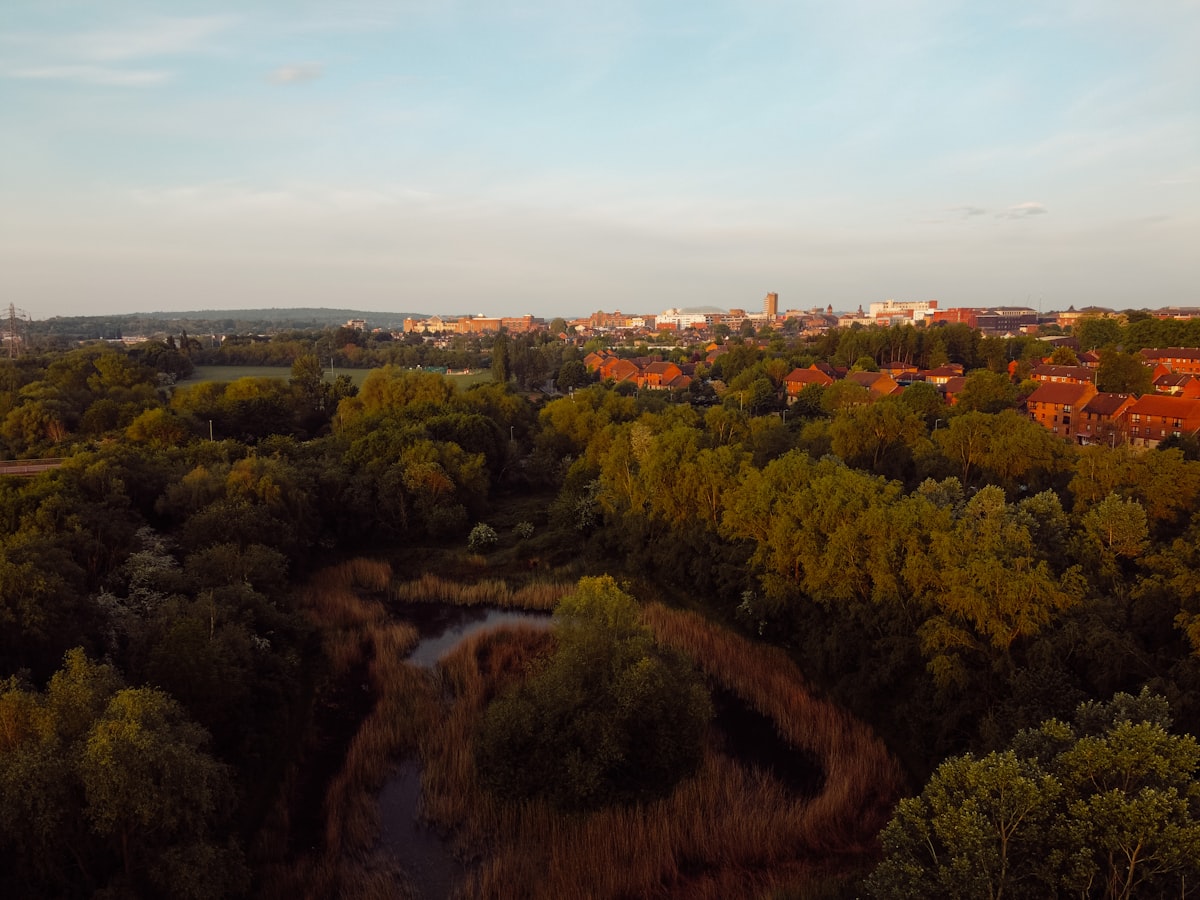
Daylight Requirements in Watford
How daylight and sunlight are assessed for planning in Watford, including the Local Plan 2021-2038 design policies, the Skyline taller buildings guidance, and how BRE BR 209 (2022) applies to applications in this dense Hertfordshire town.
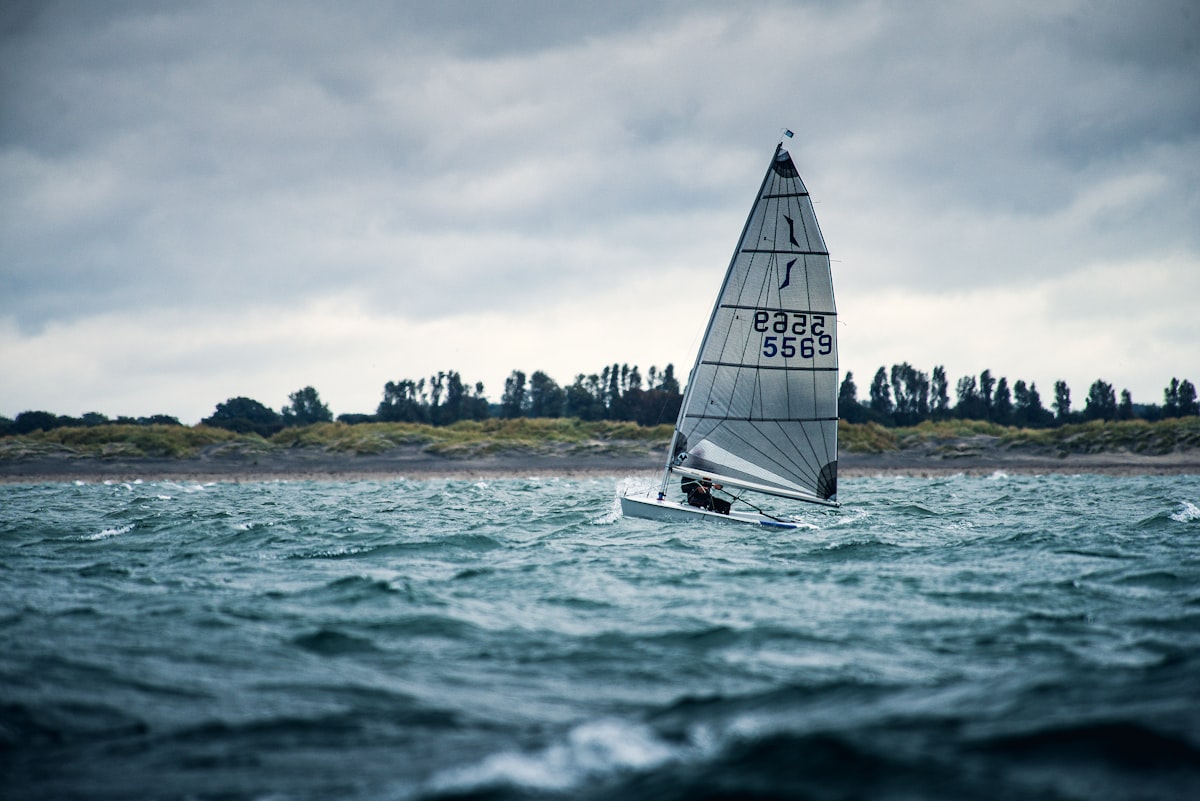
Daylight Requirements in Havant
Understanding daylight requirements in Havant means working with the adopted Core Strategy, Policy CS16 and the Borough Design Guide SPD, which set out the council's daylight and sunlight expectations alongside BRE BR 209 (2022). Here is what applicants on Hayling Island, in Leig
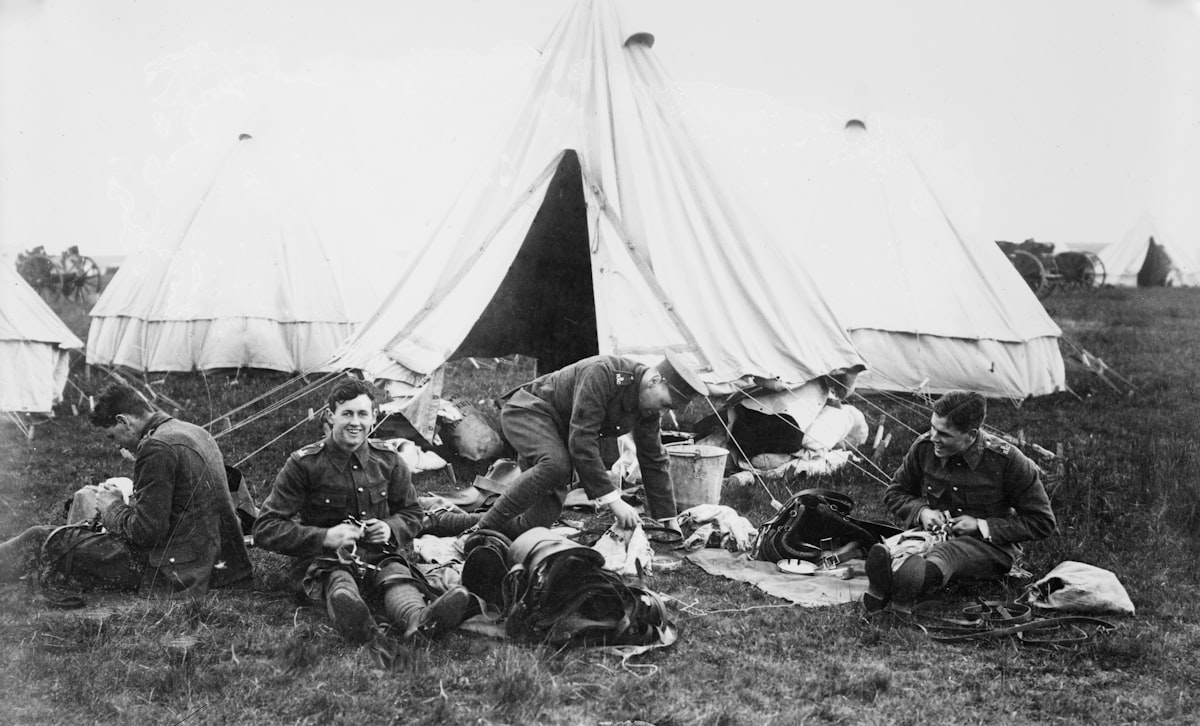
Daylight Requirements in Rushmoor
Understanding daylight requirements in Rushmoor: how the adopted Rushmoor Local Plan, the Home Improvements and Extensions SPD and the BRE 45-Degree Test shape daylight and sunlight assessments in Aldershot and Farnborough.

Daylight Requirements in Eastleigh
Understanding daylight requirements in Eastleigh: how the adopted Eastleigh Borough Local Plan 2016-2036, Policy DM1 and the Quality Places SPD treat daylight, sunlight and residential amenity, and how Fortress Associates can help.
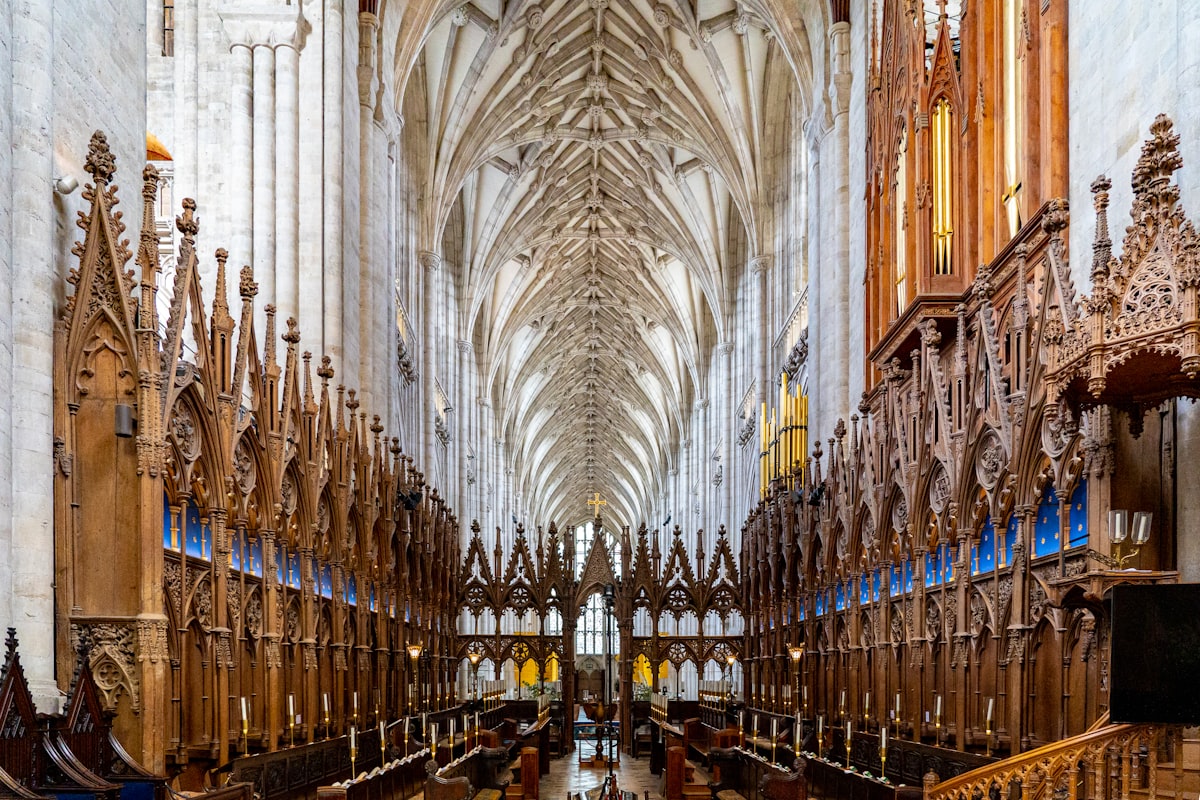
Daylight Requirements in Winchester
A clear guide to daylight requirements in Winchester following the newly adopted Winchester District Local Plan 2020-2040: the design and amenity policies, the High Quality Places SPD, how BRE BR 209 (2022) applies, and how Fortress Associates prepares daylight and sunlight repor
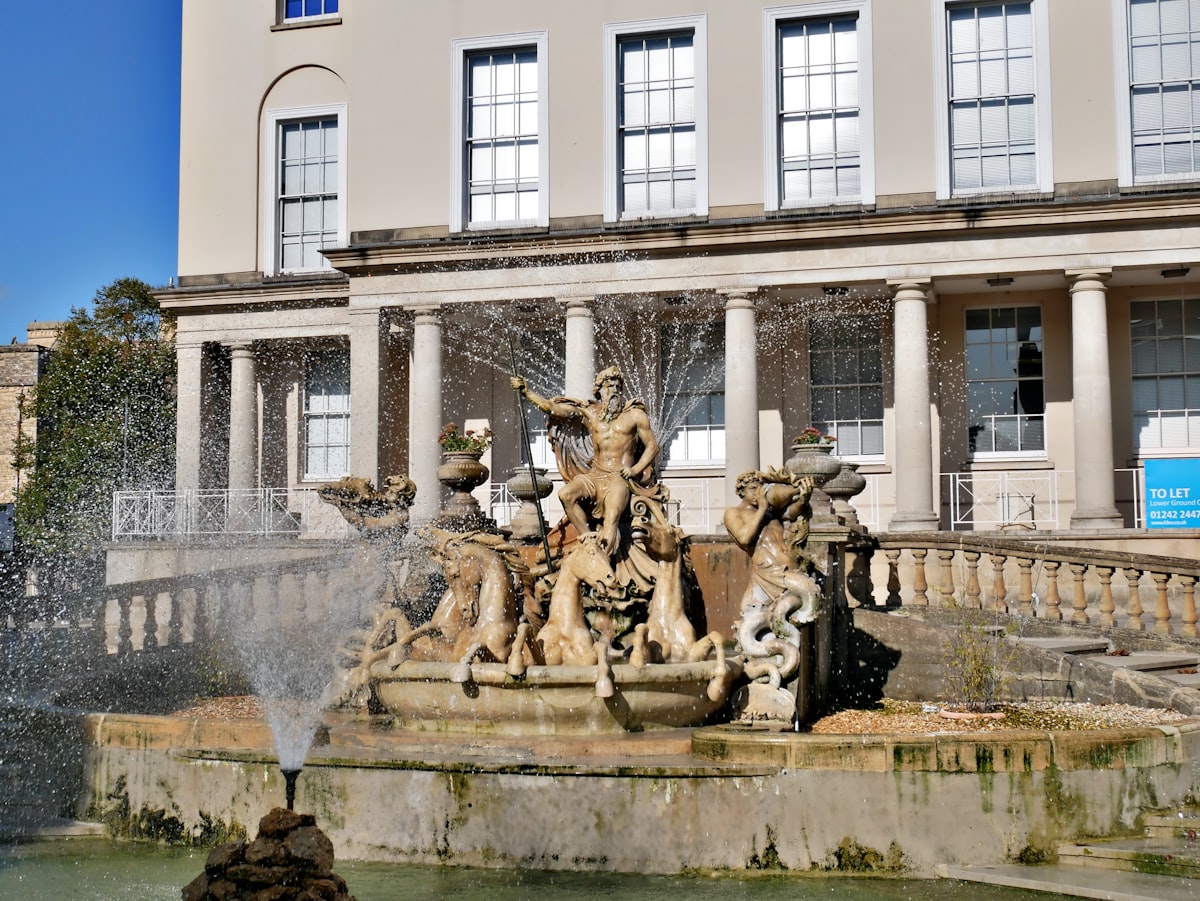
Daylight Requirements in Cheltenham
In a Regency spa town with extensive conservation areas, daylight requirements in Cheltenham are shaped by the Cheltenham Plan, the Joint Core Strategy and a dedicated Residential Alterations and Extensions SPD. Here is how amenity and daylight are assessed locally.
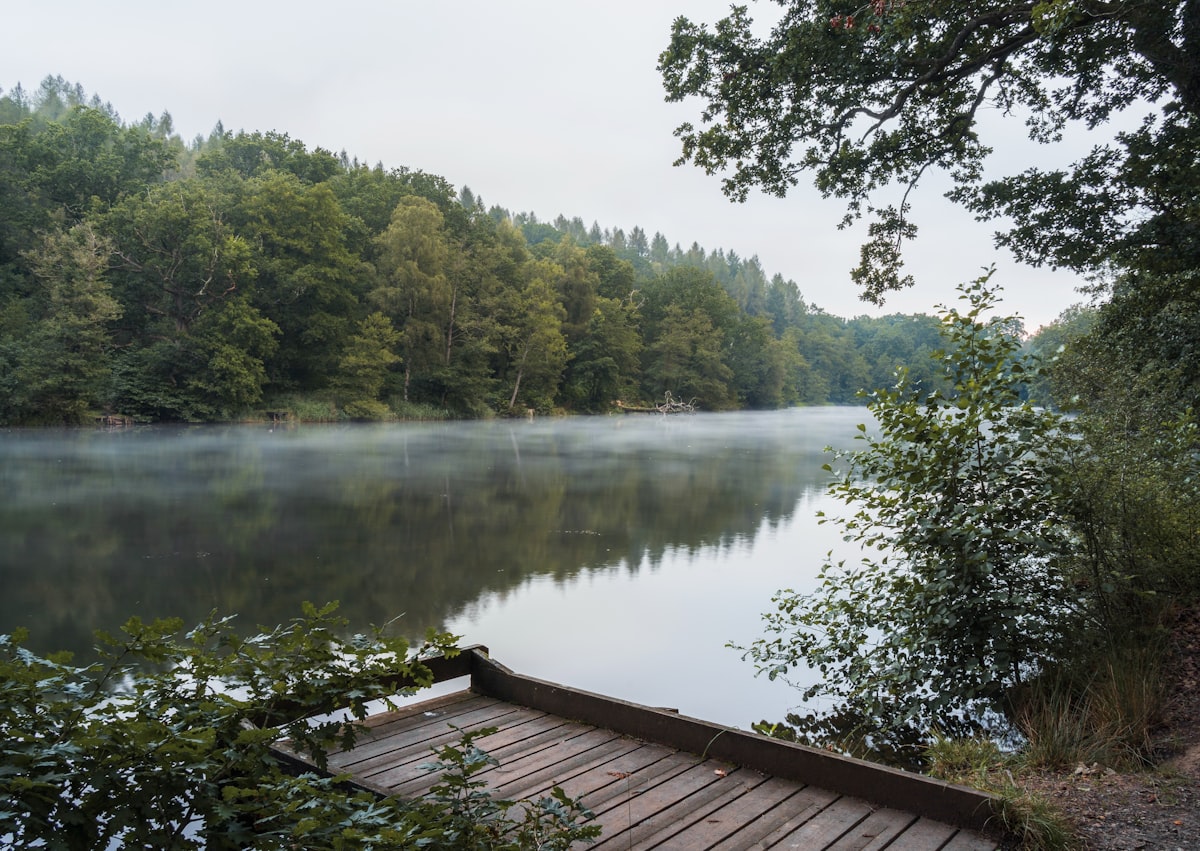
Daylight Requirements in Forest of Dean
A practical guide to daylight requirements in the Forest of Dean: how the Core Strategy, Policy CSP.1, the adopted Residential Design Guide SPDs and national BRE guidance shape daylight and sunlight assessment in this woodland district.
Daylight Requirements in Tendring
A clear guide to daylight requirements in Tendring: the adopted Local Plan policies on sustainable design and amenity, how BRE BR 209 (2022) applies, and what the district's Local Validation List expects from residential proposals in Clacton, Harwich and Frinton.
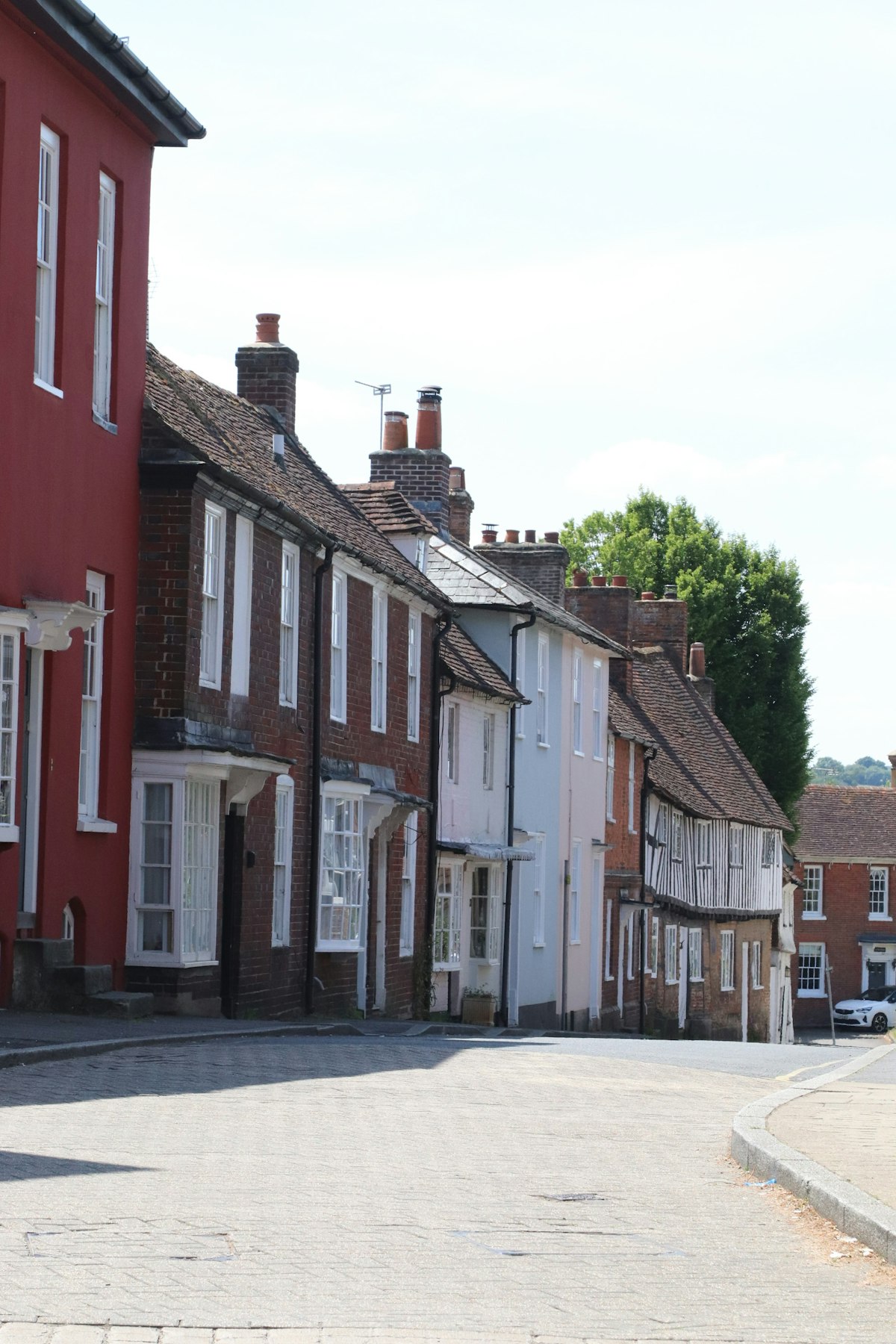
Daylight Requirements in Fareham
A clear guide to daylight requirements in Fareham: the adopted Fareham Local Plan 2037 policies on living conditions and design, the Design Guidance SPD, how BRE BR 209 (2022) is applied, and how Fortress Associates prepares daylight and sunlight reports.
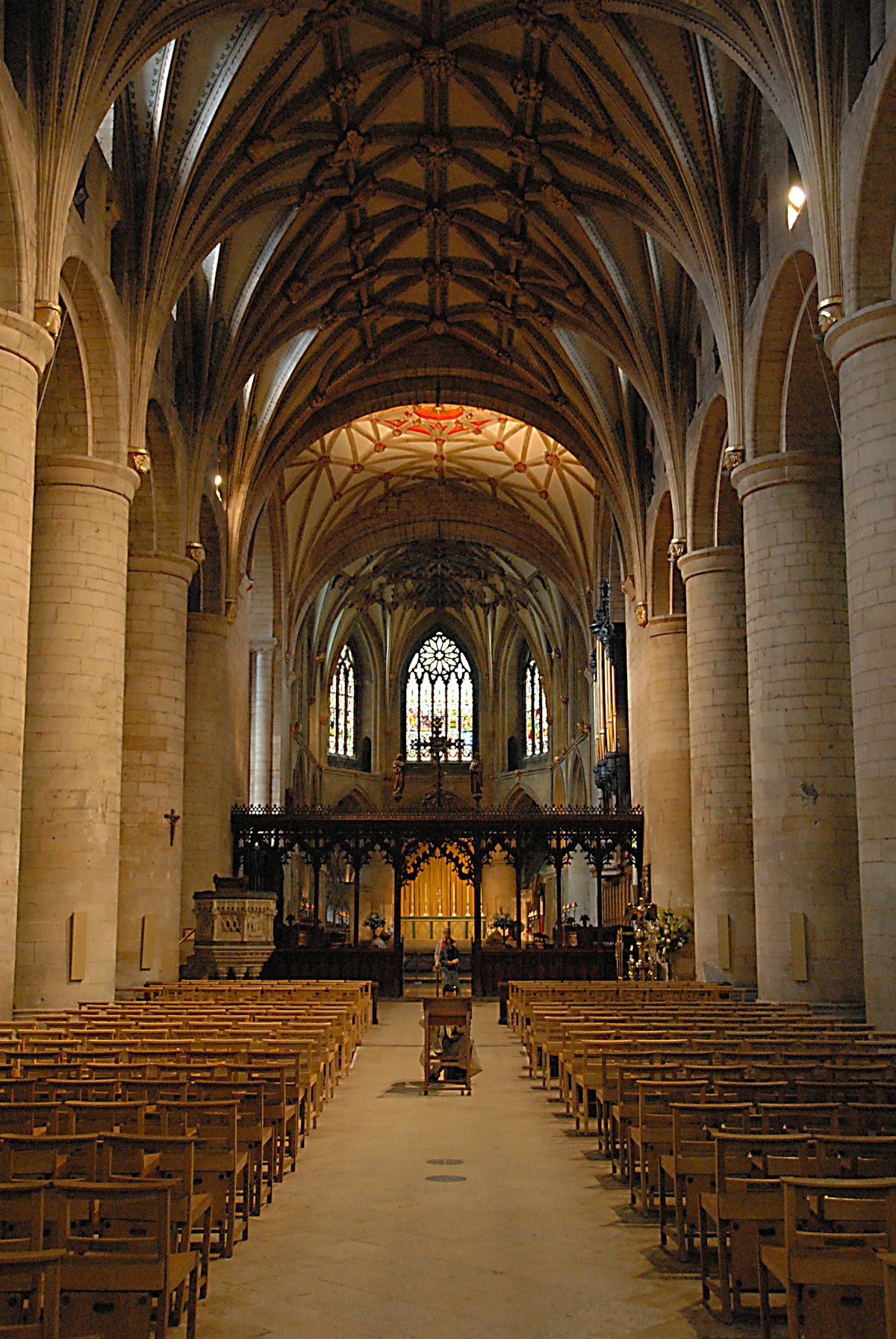
Daylight Requirements in Tewkesbury
Tewkesbury is one of the few Gloucestershire authorities to name a daylight and sunlight assessment in its validation checklist. Here is how the Joint Core Strategy, the Tewkesbury Borough Plan and the council's local list shape daylight requirements in Tewkesbury.
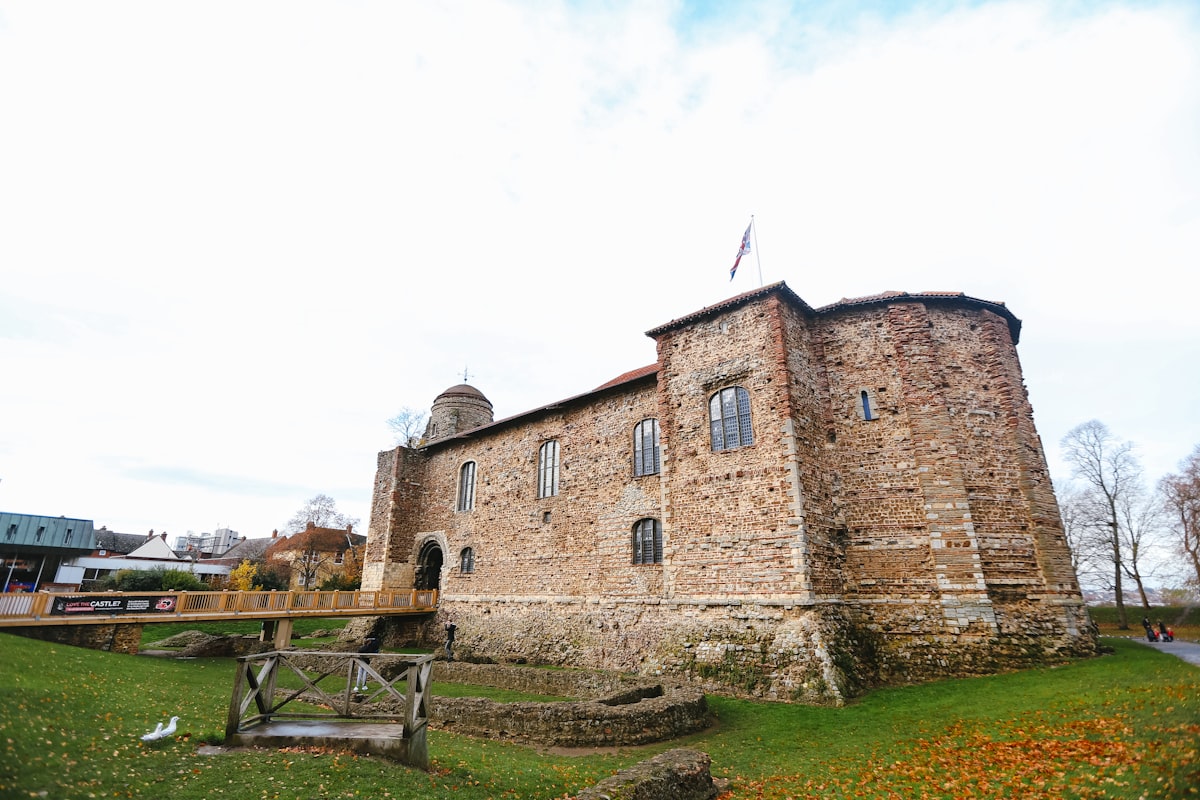
Daylight Requirements in Colchester
A practical guide to daylight requirements in Colchester: which adopted Local Plan policies on design and amenity apply, where BRE BR 209 (2022) fits in, and what the city's Scheme of Local Validation expects from residential applications.
Daylight Requirements in Stroud
A practical guide to daylight requirements in Stroud District: how the adopted Local Plan, Delivery Policies ES3 and HC1, and national BRE guidance shape daylight and sunlight assessment across the Five Valleys and Cotswold edge.
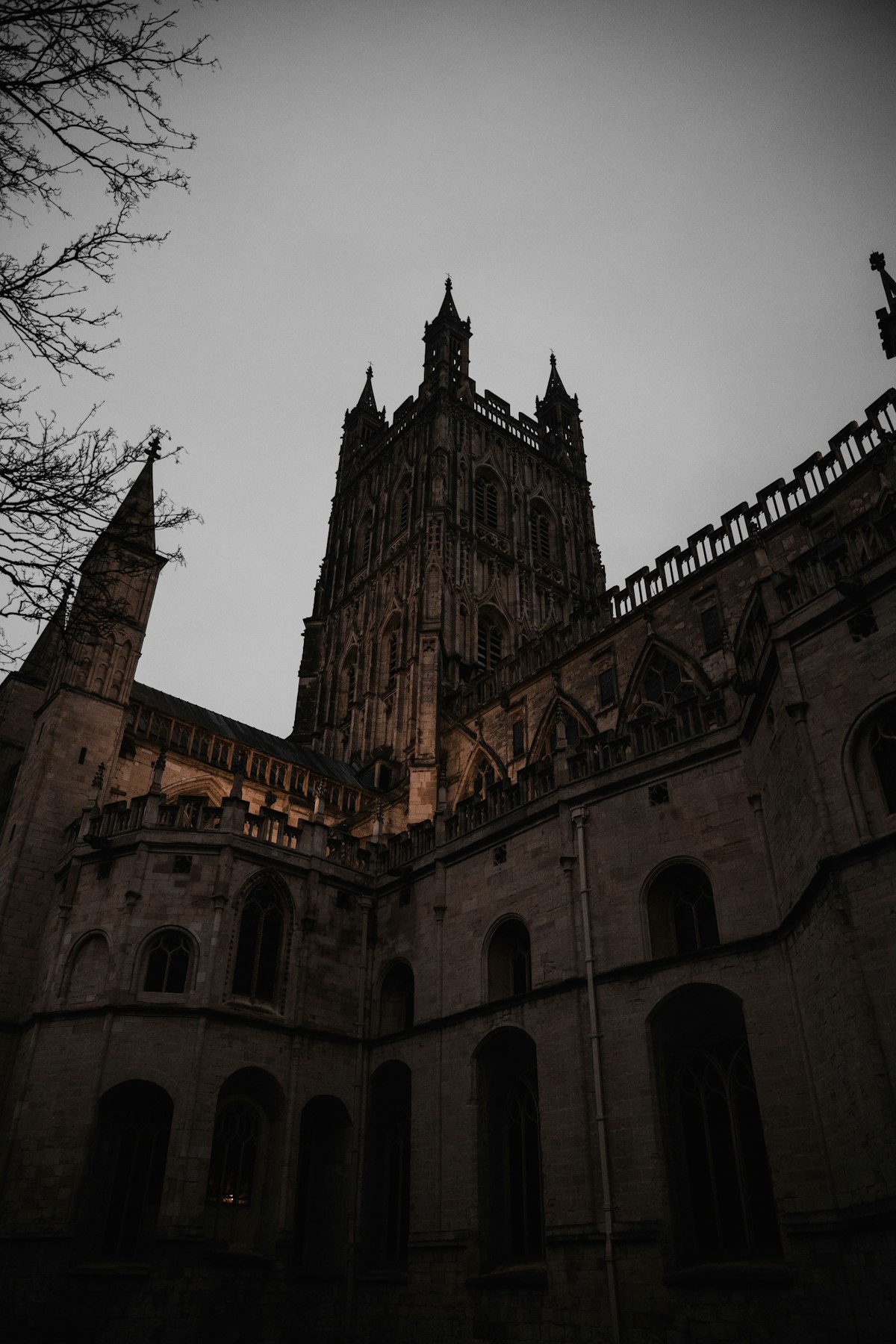
Daylight Requirements in Gloucester
Understanding daylight requirements in Gloucester means working with the Joint Core Strategy, the adopted Gloucester City Plan and the council's Home Extension Guide. Here is how amenity and daylight are assessed locally, and how a BRE report supports your application.
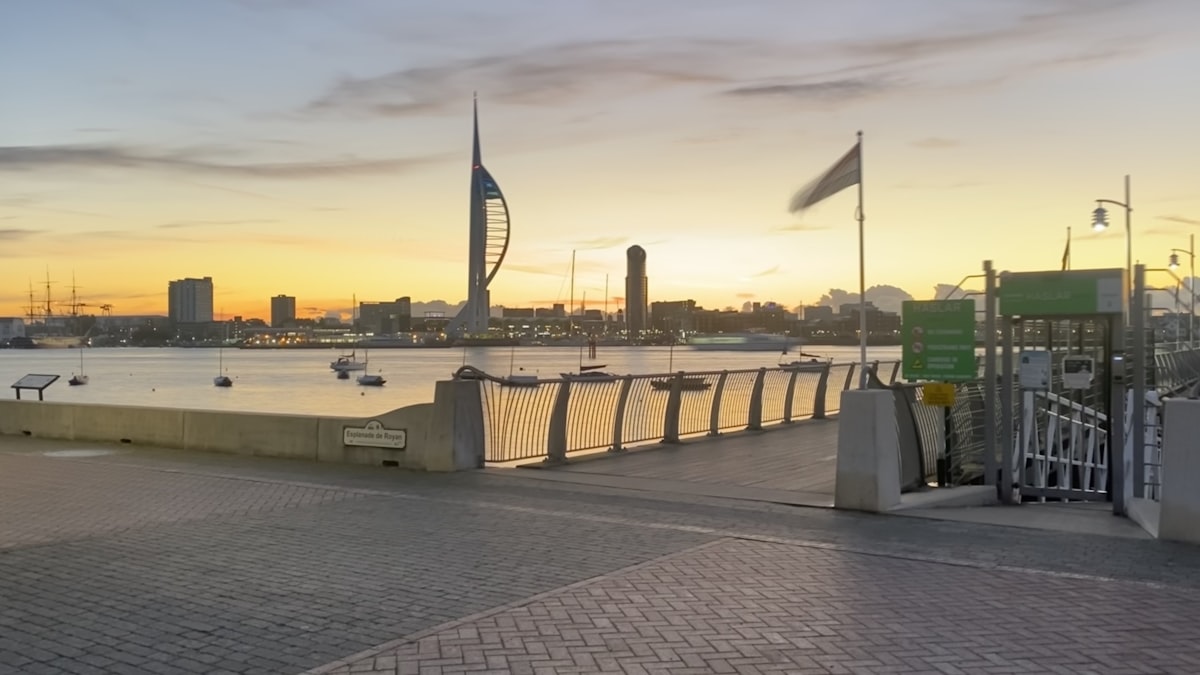
Daylight Requirements in Gosport
A practical guide to daylight requirements in Gosport: the adopted Local Plan policies on residential amenity, the Design Guidance SPD, the role of BRE BR 209 (2022), and how Fortress Associates prepares daylight and sunlight reports for the borough.
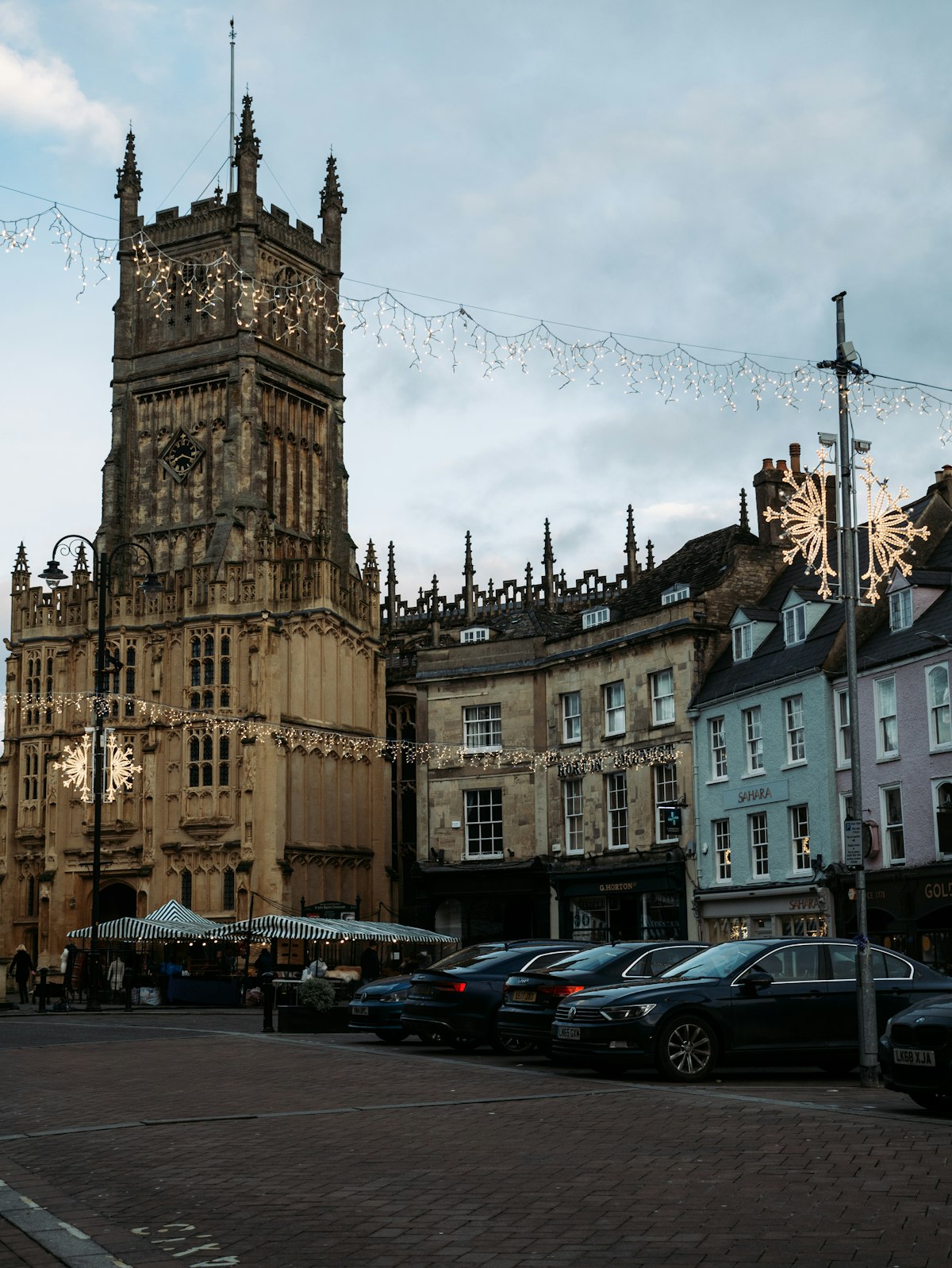
Daylight Requirements in Cotswold
A clear guide to daylight requirements in Cotswold District: how the adopted Local Plan, Policy EN2 and the Cotswold Design Code shape daylight and sunlight assessment for development across this honey-stone, AONB district.
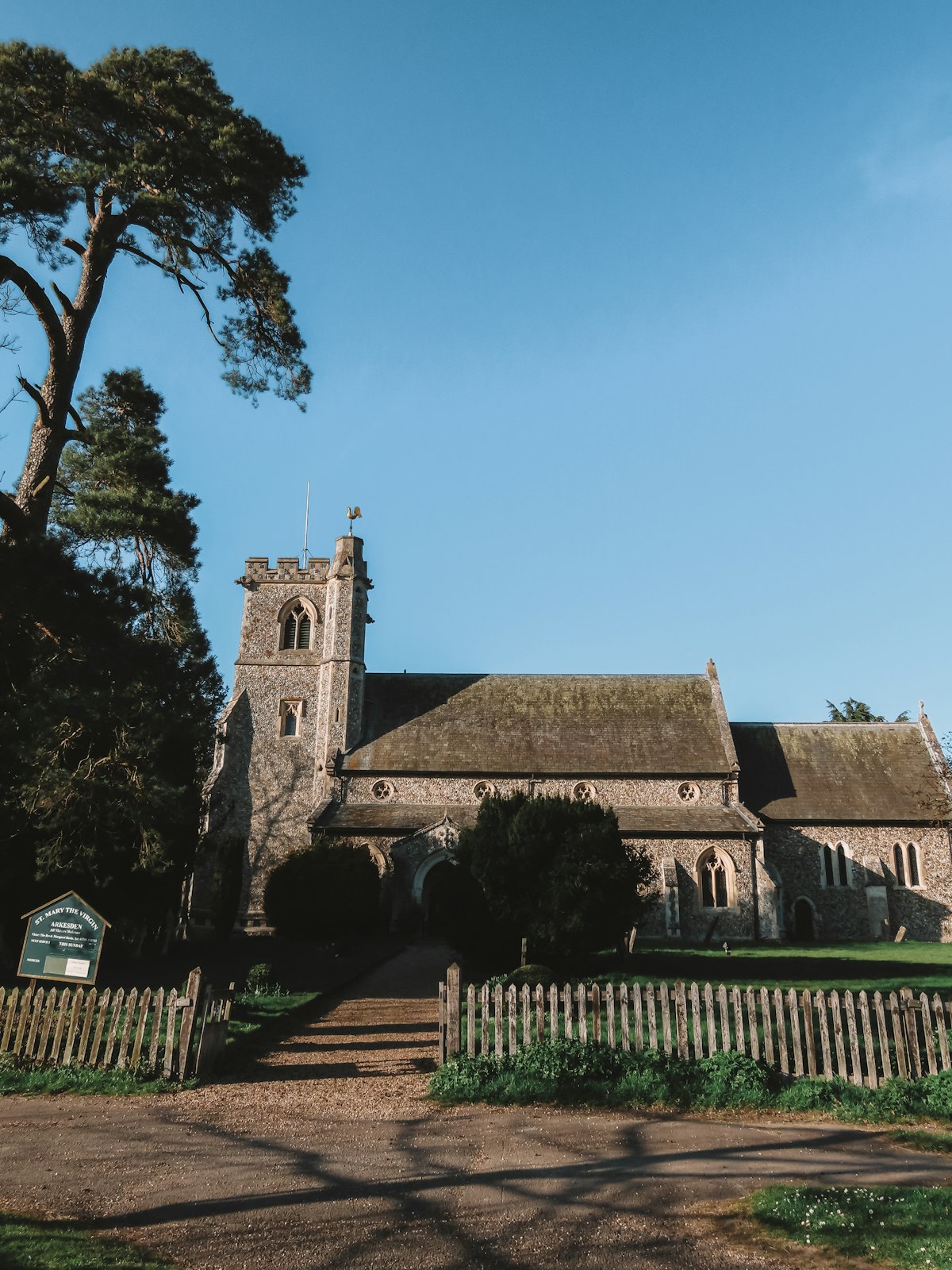
Daylight Requirements in Uttlesford
A clear guide to daylight requirements in Uttlesford: how the newly adopted Uttlesford Local Plan 2021-2041, the Essex Design Guide and BRE BR 209 (2022) shape daylight and sunlight assessment across Saffron Walden, Great Dunmow and the Stansted villages.
Daylight Requirements in Rochford
A practical guide to daylight and sunlight requirements for planning in Rochford: the adopted Core Strategy (2011), Allocations Plan (2014) and Development Management Plan (2014), Policy CP1, the SPDs and BRE BR 209 (2022), plus expert report support.
Daylight Requirements in Brentwood
A clear guide to daylight requirements in Brentwood: how the Brentwood Local Plan 2016-2033, its place-making and amenity policies, the Essex Design Guide and the council's validation rules shape daylight and sunlight assessments in this green-belt borough.
Daylight Requirements in Lewes
Understanding daylight requirements in Lewes means working with the Joint Core Strategy and the Local Plan Part 2, which sets an explicit 45/60 degree daylight test for extensions. Here is how daylight and sunlight assessment applies across the district.

Daylight Requirements in Castle Point
A practical guide to daylight and sunlight requirements for planning in Castle Point: the saved 1998 Local Plan and Policy EC3, the 2013 Residential Design Guidance, the validation checklist and BRE BR 209 (2022), plus expert report support.
Daylight Requirements in Epping Forest
Your guide to daylight requirements in the Epping Forest district: how the 2023 Local Plan, Policy DM9, the Essex Design Guide and the council's validation rules shape daylight and sunlight assessments around Loughton, Epping and Waltham Abbey.
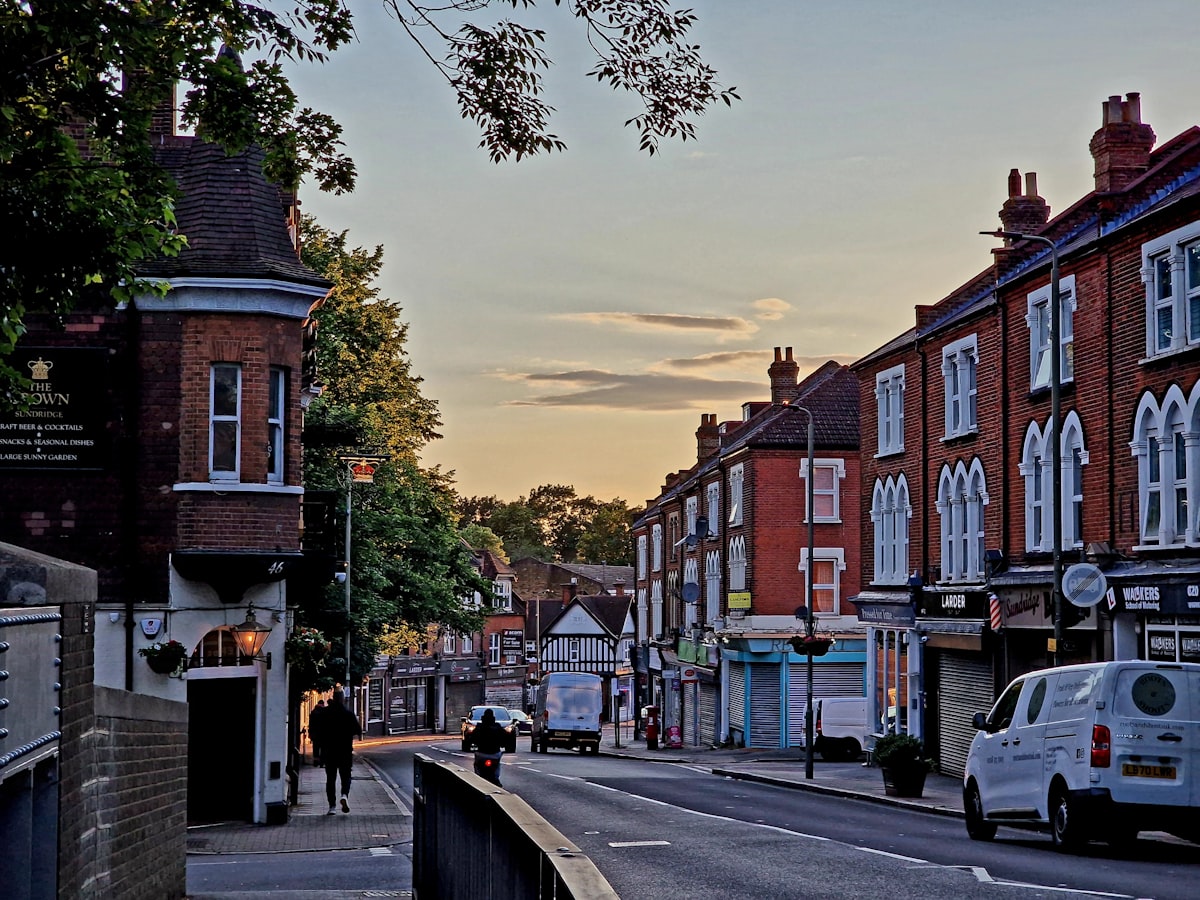
Daylight Requirements in Chelmsford
A practical guide to daylight requirements in Chelmsford: how the adopted Chelmsford Local Plan, the Making Places SPD and BRE BR 209 (2022) govern daylight and sunlight assessment for development across the city and its garden communities.
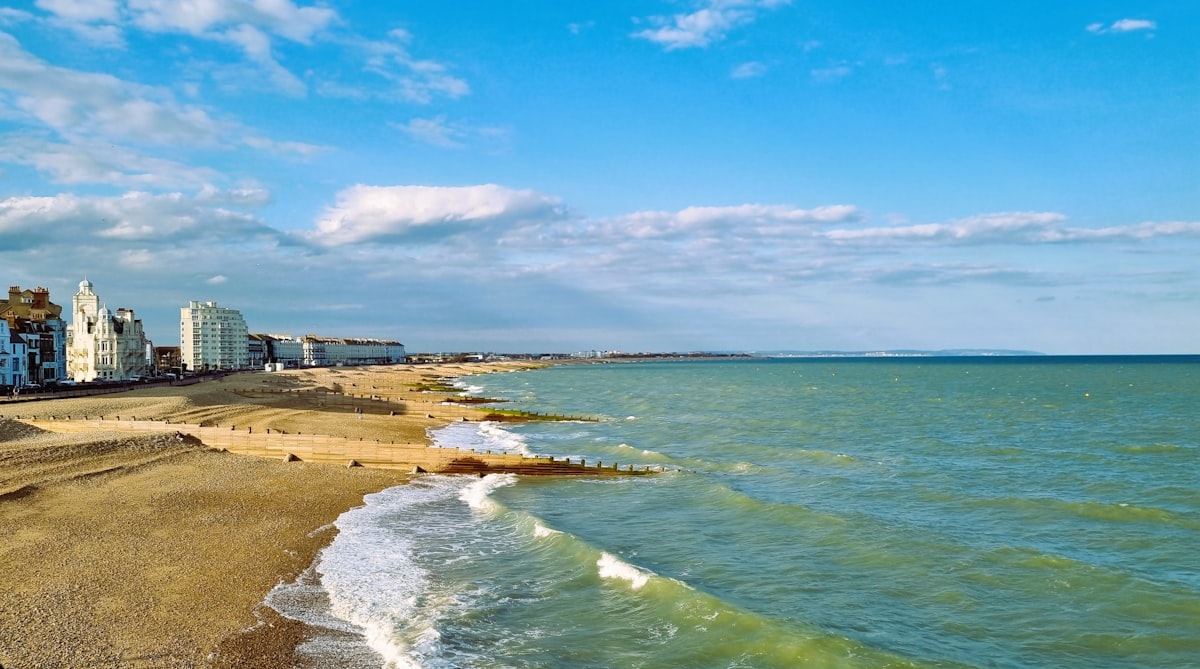
Daylight Requirements in Eastbourne
Understanding daylight requirements in Eastbourne means working with the adopted Core Strategy and saved Borough Plan policies on design and amenity. Here is how daylight and sunlight assessment applies to development across this seafront town.
Daylight Requirements in Basildon
How daylight and sunlight requirements work for planning applications in Basildon: the saved 1998 Local Plan and Policy BE12, BRE BR 209 (2022), BS EN 17037 and the emerging Local Plan, plus expert report support.

Daylight Requirements in Maldon
Understanding daylight requirements in Maldon: how the Maldon District Local Development Plan, the Design Guide SPD and BRE BR 209 (2022) shape daylight and sunlight assessment for development across this Essex estuary district.
Daylight Requirements in Harlow
A practical guide to daylight requirements in Harlow: how the Harlow Local Development Plan, its amenity policies and the local validation checklist shape daylight and sunlight assessments for development in the New Town.

Daylight Requirements in Wealden
Understanding daylight requirements in Wealden means working with the adopted Core Strategy, saved 1998 Local Plan policies and the Wealden Design Guide. Here is how daylight and sunlight assessment applies to development across the district.
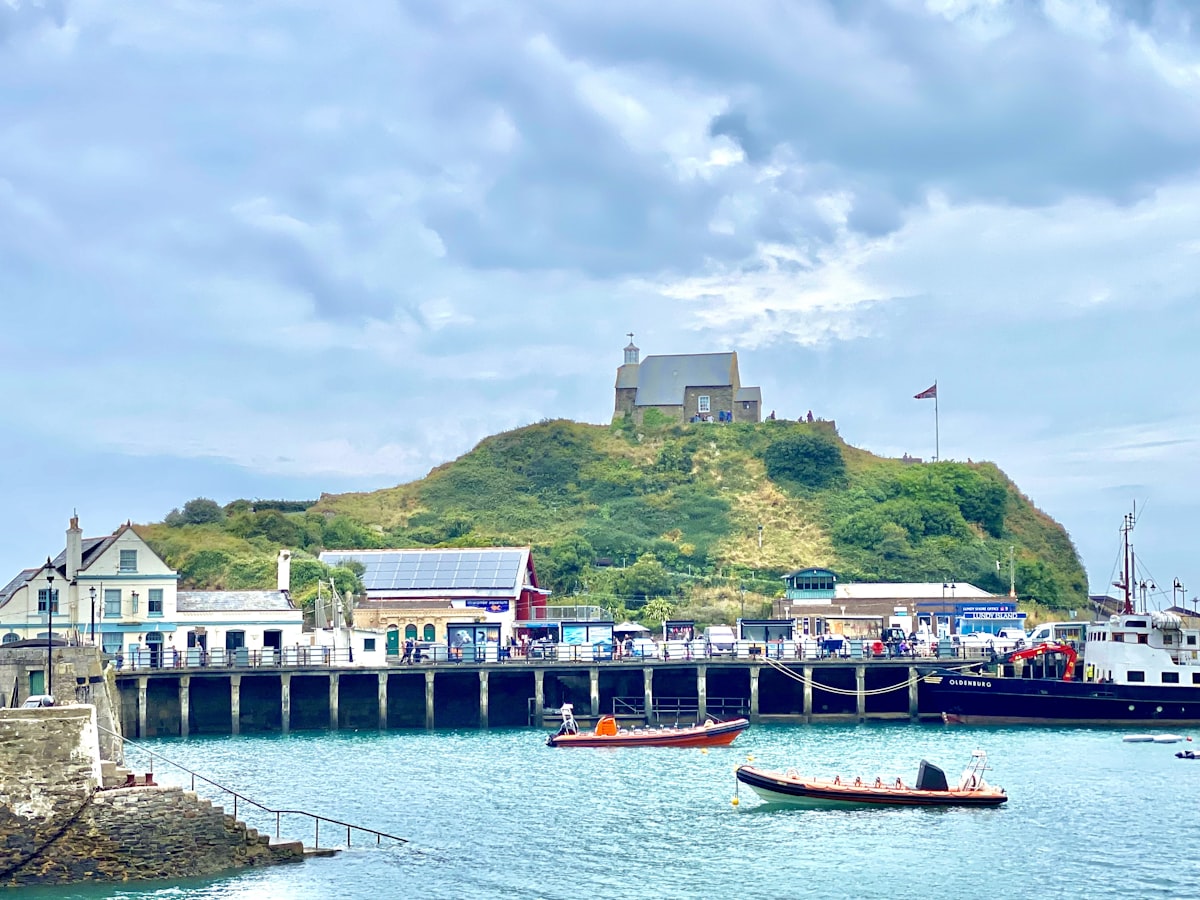
Daylight Requirements in North Devon
A clear guide to daylight requirements in North Devon: how the North Devon and Torridge Local Plan, the council's validation rules and BRE BR 209 (2022) shape daylight and sunlight assessment for development in Barnstaple, Ilfracombe and across the district.

Daylight Requirements in Rother
A practical guide to daylight requirements in Rother: how the adopted Core Strategy and the Development and Site Allocations Local Plan, plus BRE BR 209 (2022) good practice, shape daylight and sunlight assessment in Bexhill, Rye and the High Weald.
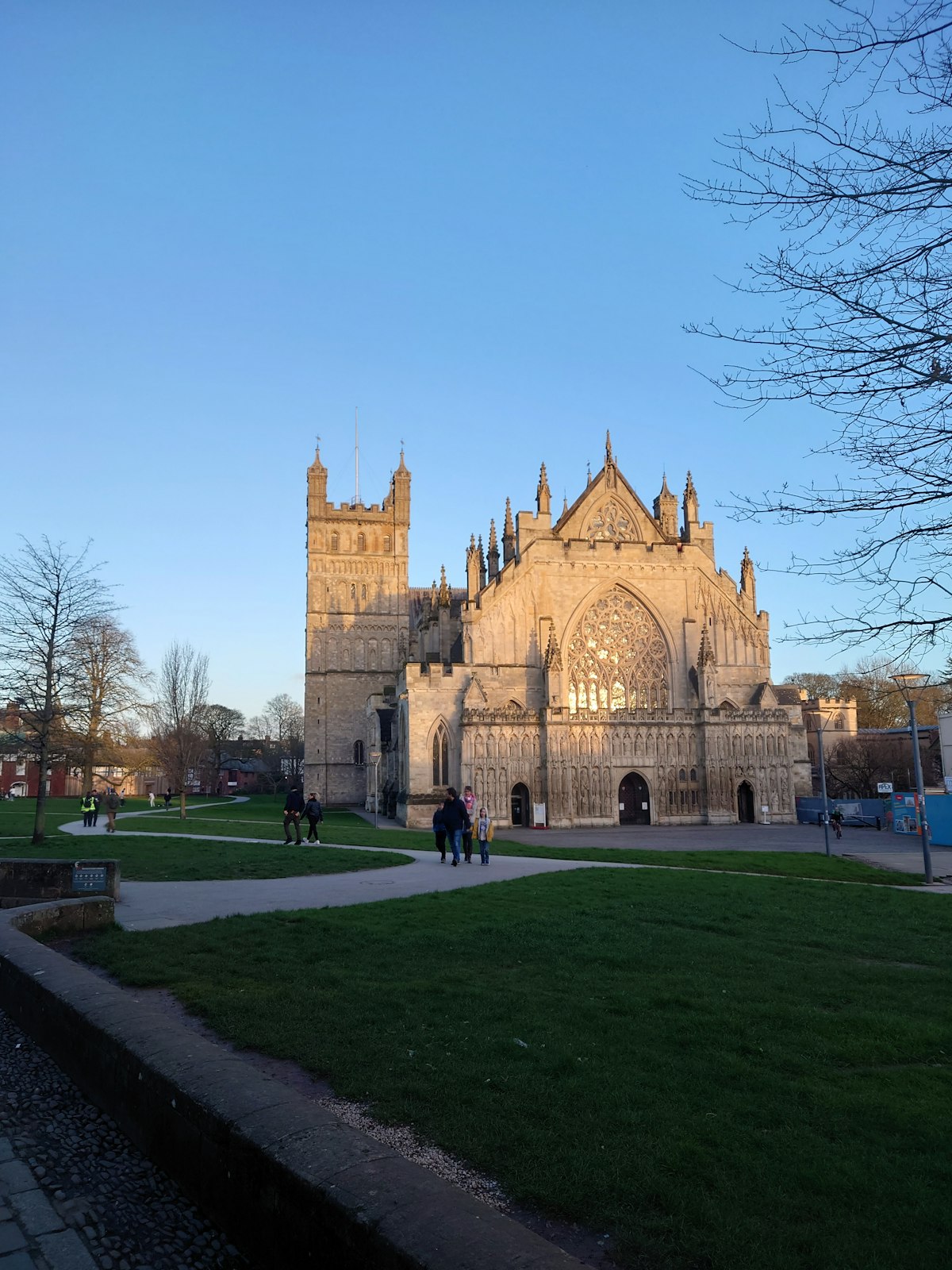
Daylight Requirements in Exeter
A practical guide to the daylight requirements in Exeter: the saved Local Plan First Review policies, the 2012 Core Strategy, the Residential Design Guide SPD, and how BRE BR 209 applies to schemes in a Roman and medieval cathedral city.
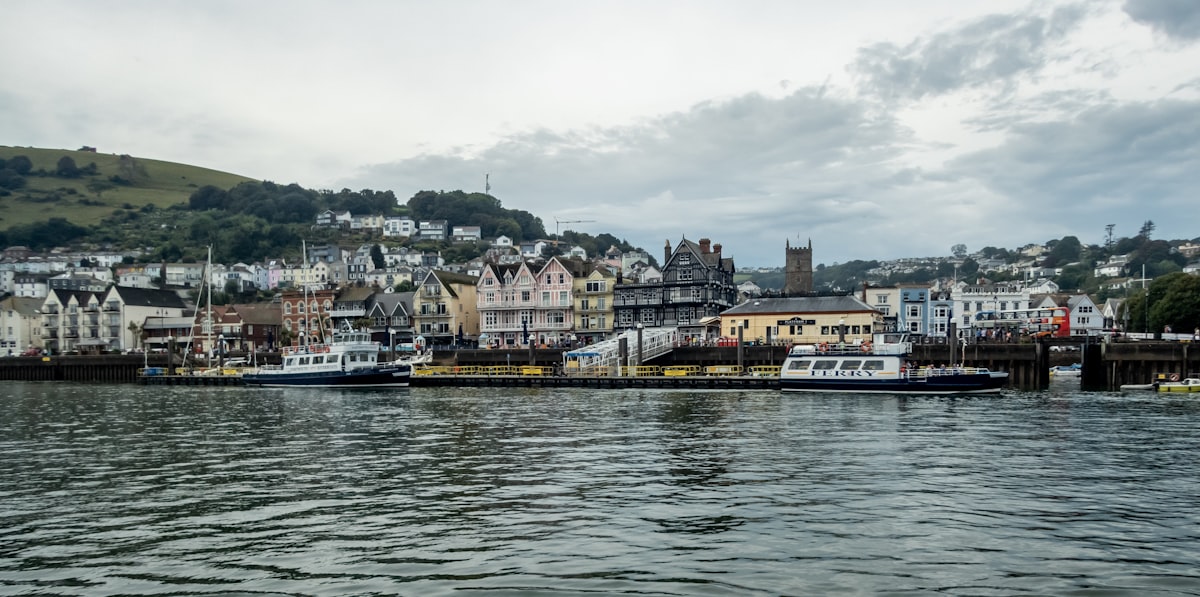
Daylight Requirements in South Hams
A practical guide to daylight requirements in South Hams, covering the Plymouth and South West Devon Joint Local Plan, the 45-degree daylight test, and how the South Devon National Landscape shapes development in Totnes, Dartmouth and Kingsbridge.
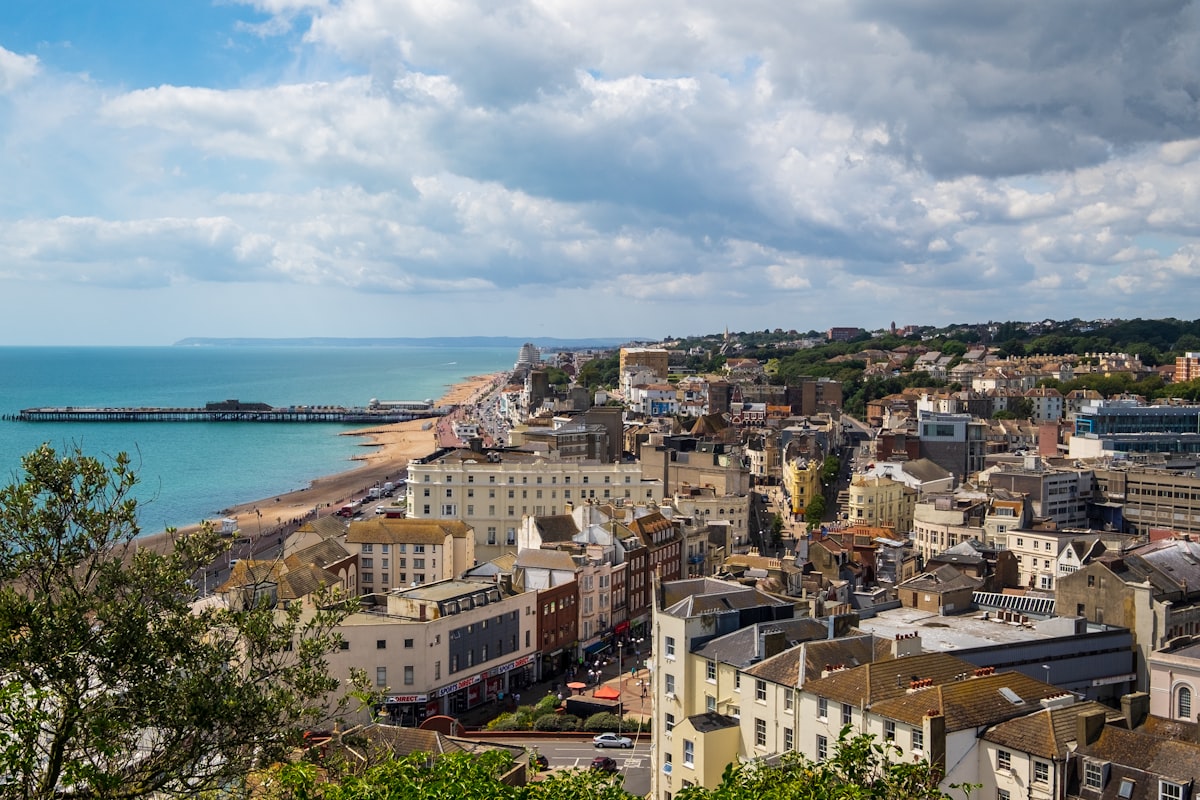
Daylight Requirements in Hastings
A practical guide to daylight requirements in Hastings: how Policy DM3 of the adopted Hastings Local Plan, the council's householder advice and BRE BR 209 (2022) shape daylight, sunlight and overshadowing assessment in the Old Town and the borough's Victorian terraces.
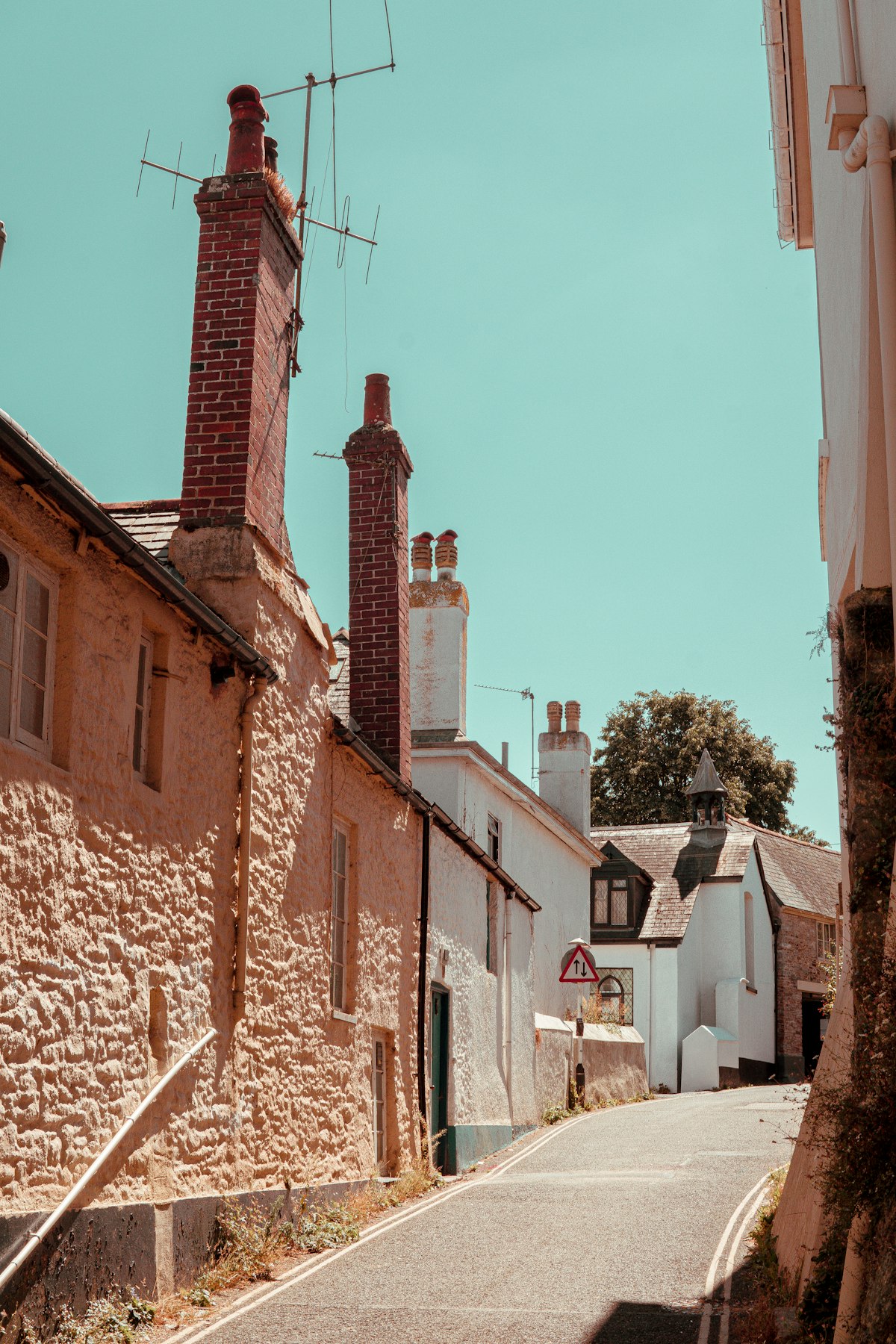
Daylight Requirements in West Devon
Understanding daylight requirements in West Devon, where the Plymouth and South West Devon Joint Local Plan and its SPD set the rules for daylight, sunlight and amenity on planning applications in Tavistock, Okehampton and beyond.
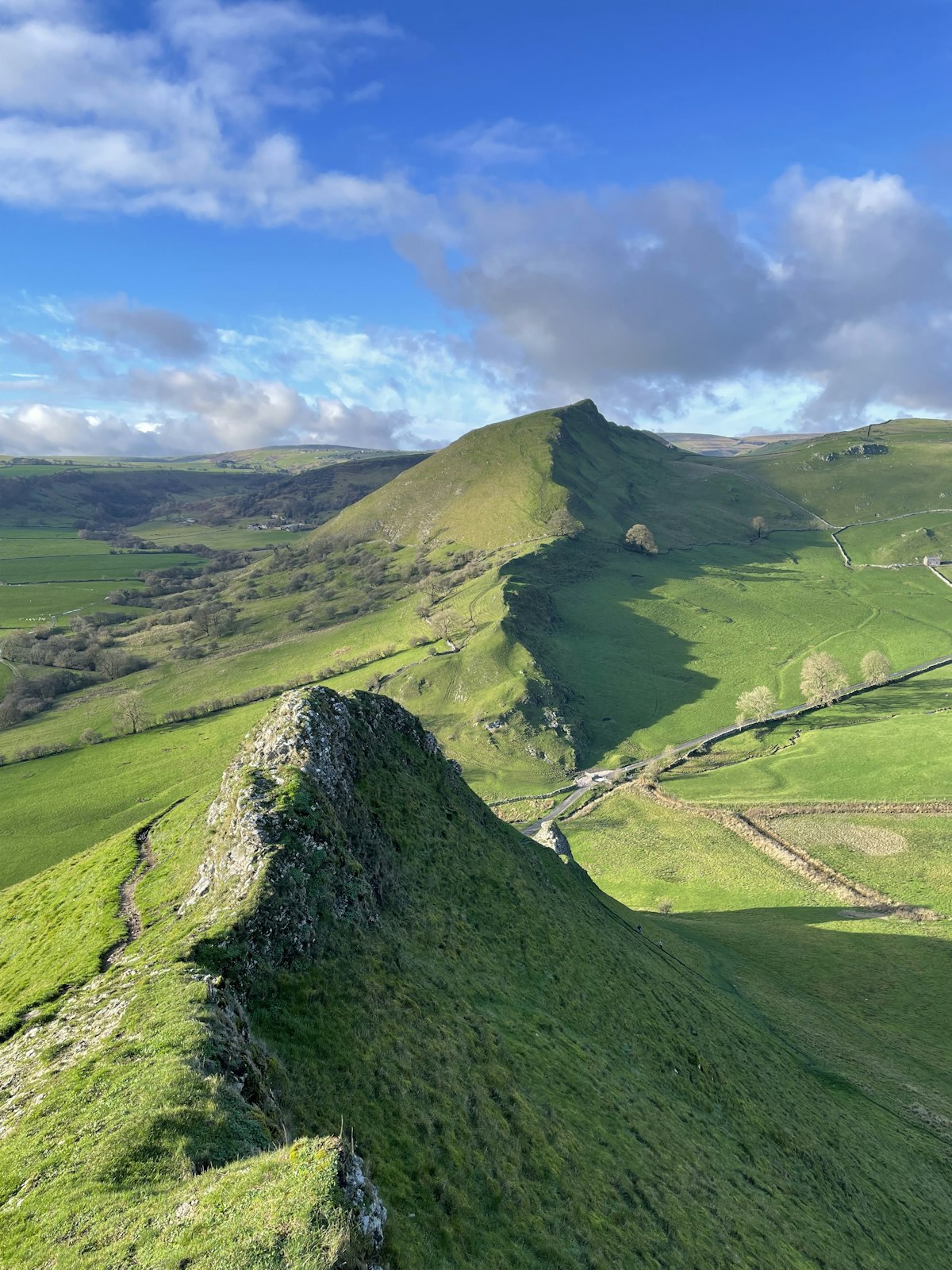
Daylight Requirements in North East Derbyshire
How daylight and sunlight is assessed across North East Derbyshire, from Dronfield to Clay Cross: the adopted Local Plan, Policy SDC12 and SDC13, the Successful Places design guide, and what BRE BR 209 means for your planning application.
Daylight Requirements in Mid Devon
A practical guide to daylight requirements in Mid Devon: how the adopted Local Plan, the Mid Devon Design Guide and BRE BR 209 (2022) shape daylight and sunlight assessment for development in Tiverton, Cullompton, Crediton and the wider district.
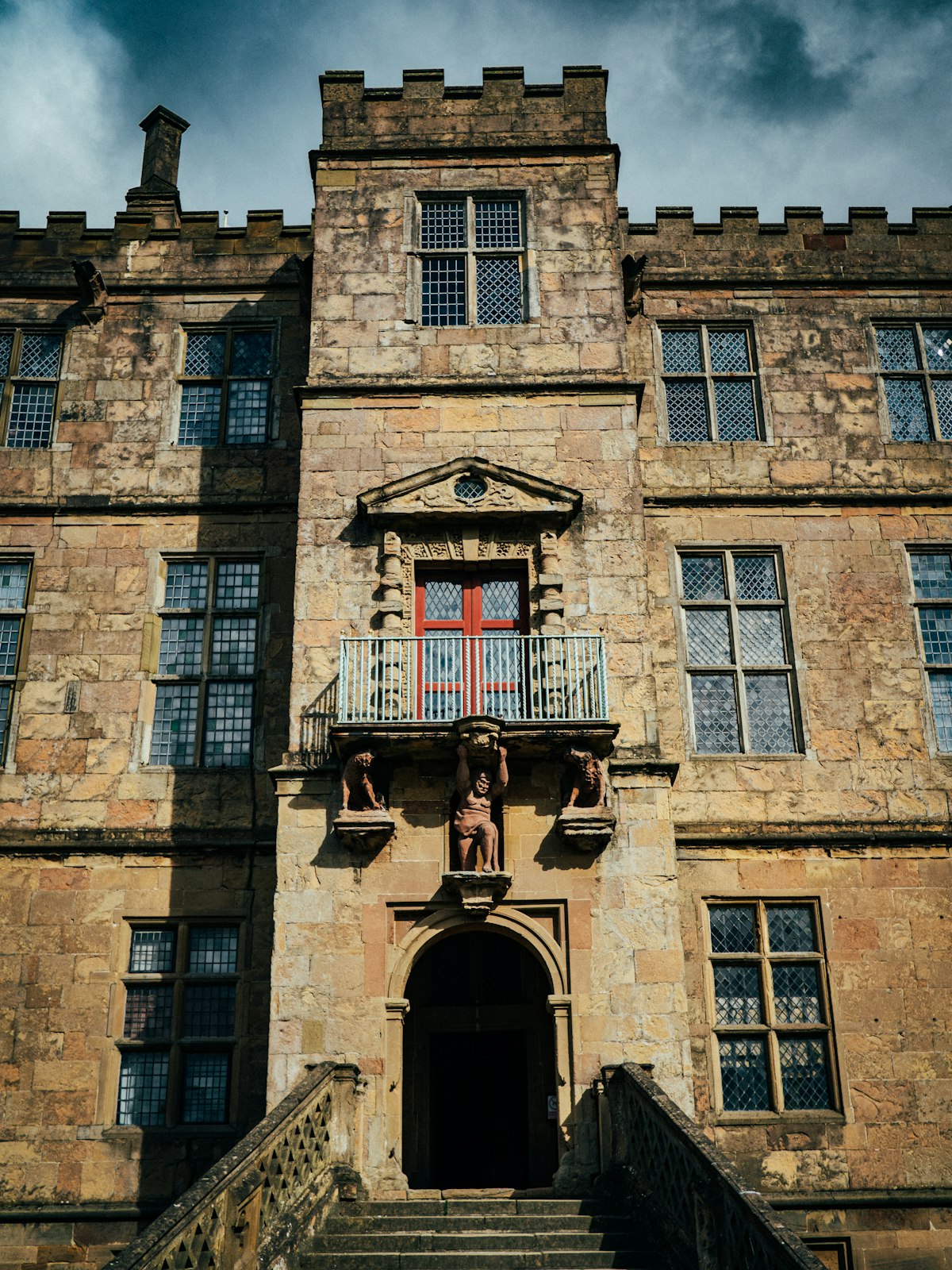
Daylight Requirements in Bolsover
A practical guide to daylight and sunlight in Bolsover District: the 2020 Local Plan, design Policies SC2 and SC3, amenity Policy SC11, the Successful Healthy Places SPD, and what it means for sites in Clowne, Shirebrook and beyond.
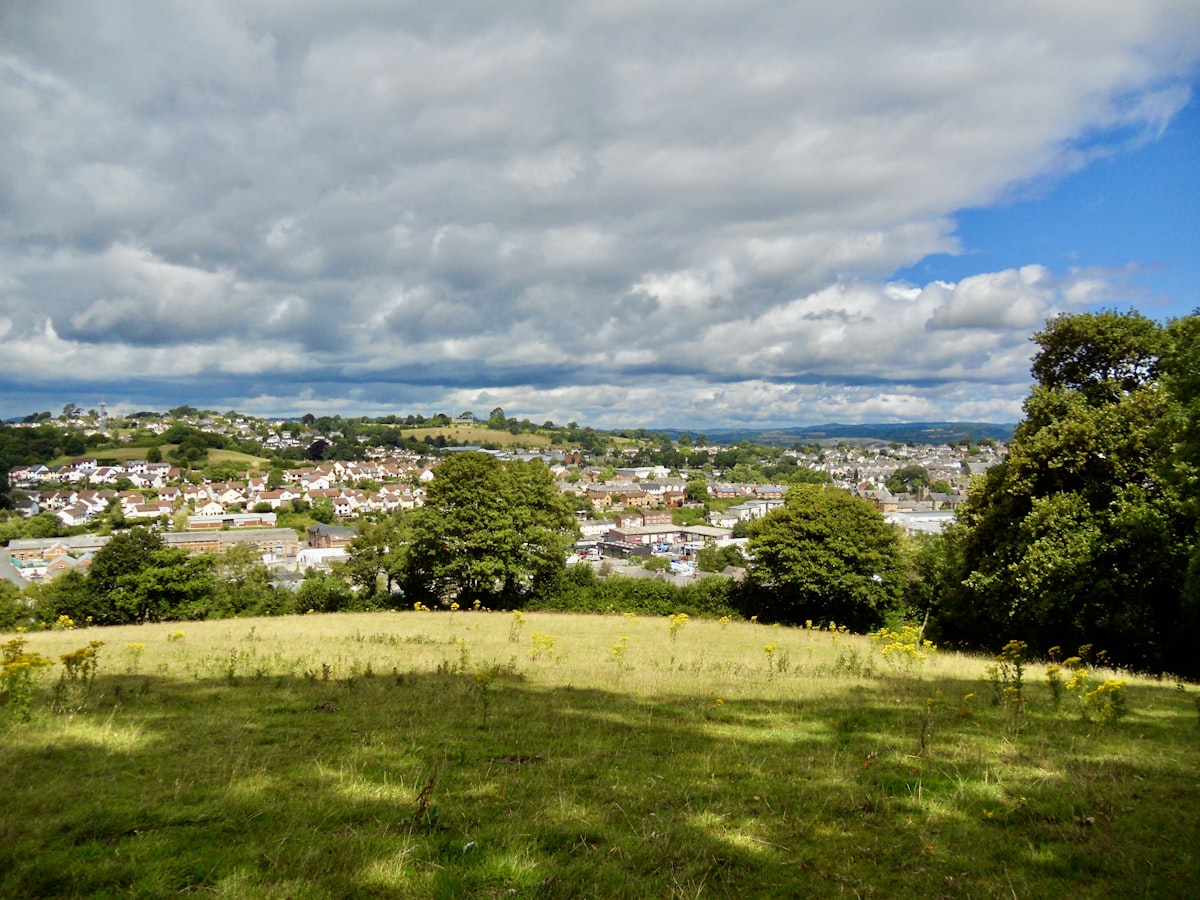
Daylight Requirements in Teignbridge
Understanding daylight requirements in Teignbridge: how the adopted Teignbridge Local Plan 2013-2033, BRE BR 209 (2022) and the council's validation guides shape daylight and sunlight assessment for developments in Newton Abbot, Teignmouth and Dawlish.
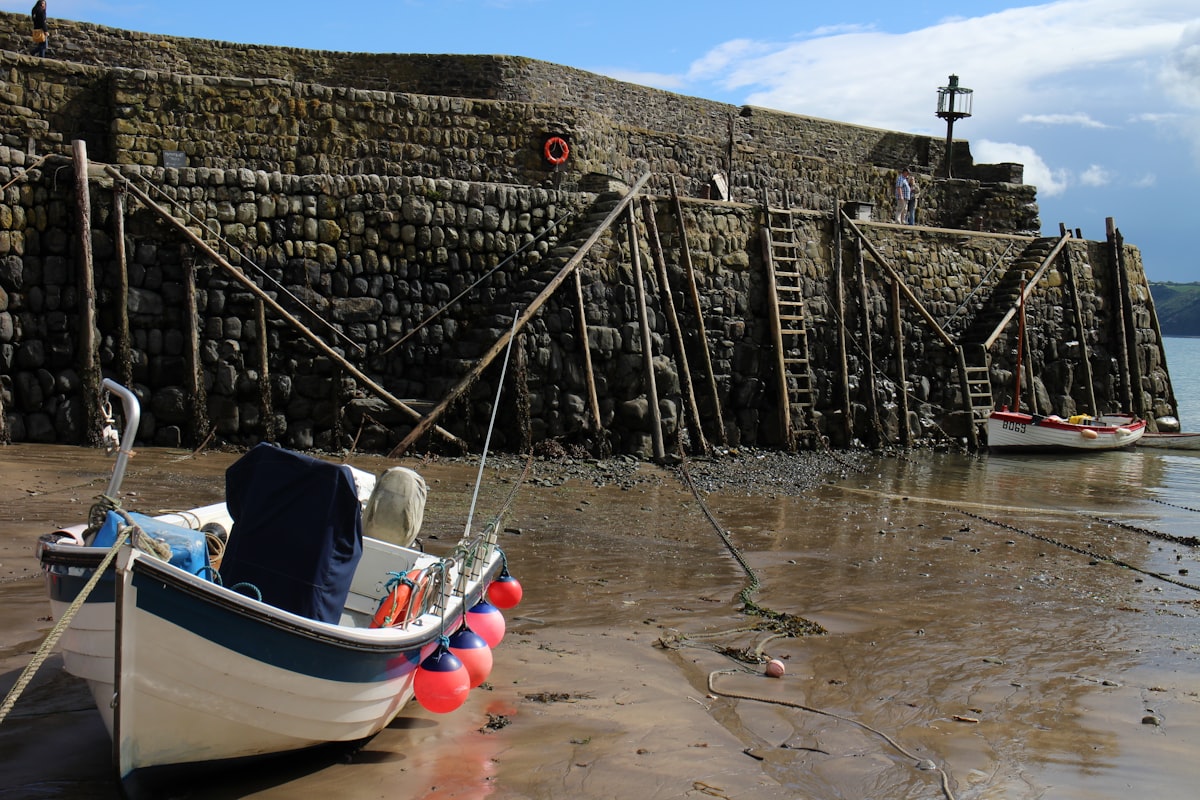
Daylight Requirements in Torridge
Understanding daylight requirements in Torridge means working with the North Devon and Torridge Local Plan and BRE BR 209 (2022). Here is how amenity, daylight and sunlight are assessed across Bideford, Great Torrington and the wider district.
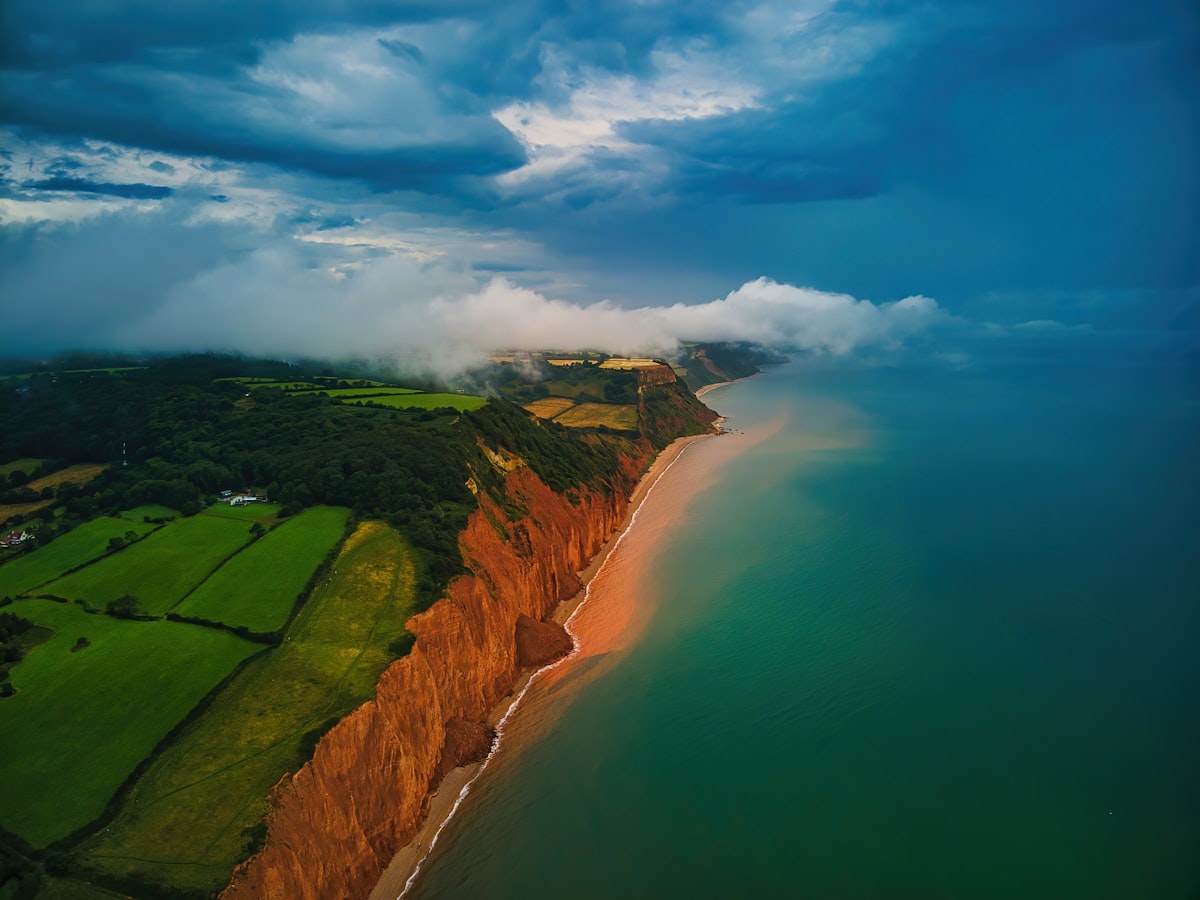
Daylight Requirements in East Devon
Understanding daylight requirements in East Devon means reading BRE BR 209 (2022) guidance through the lens of the adopted East Devon Local Plan. Here is how amenity, design and daylight are assessed across Exmouth, Sidmouth, Cranbrook and the wider district.
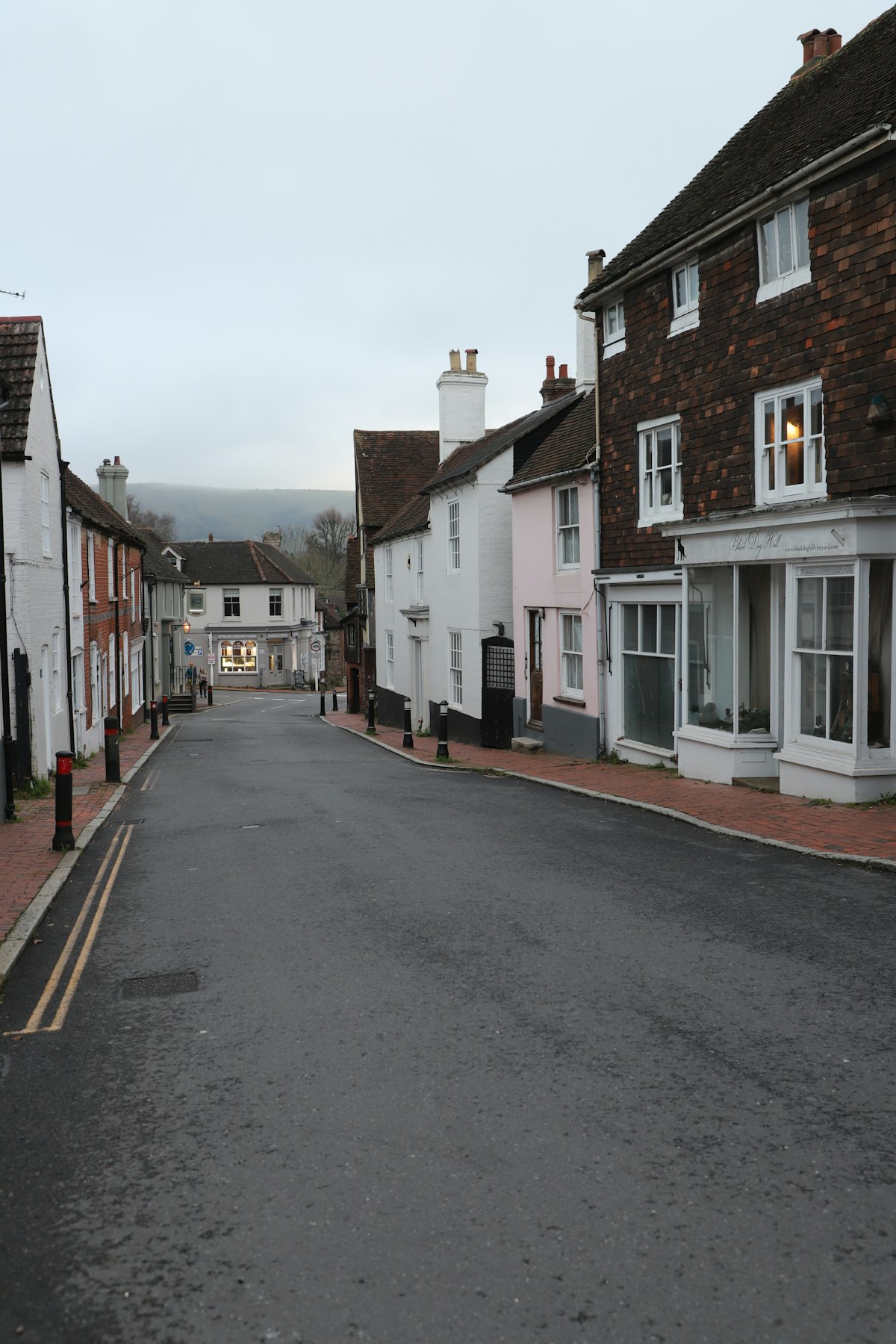
Daylight Requirements in Chesterfield
A practical guide to daylight requirements in Chesterfield for householders, developers and agents, covering the adopted Chesterfield Borough Local Plan 2018-2035, Policy CLP14 and CLP20, and how BRE BR 209 daylight and sunlight assessments support planning applications in the to
Daylight Requirements in Erewash
Understanding daylight requirements in Erewash: how Core Strategy Policy 10, the saved Erewash Borough Local Plan policies, the Extending Your Home SPD and BRE BR 209 (2022) govern overshadowing and amenity in Ilkeston and Long Eaton.
Daylight Requirements in Huntingdonshire
A guide to daylight and sunlight in Huntingdonshire planning applications: the Huntingdonshire Local Plan to 2036, the Huntingdonshire Design Guide SPD, BRE BR 209 (2022) and what your assessment needs to demonstrate.
Daylight Requirements in High Peak
The daylight requirements in High Peak flow from the adopted Local Plan and the borough's design guidance, read alongside BRE BR 209. Here is how amenity and overshadowing are judged in Buxton, Glossop and New Mills, and where the Peak District National Park takes over.
Daylight Requirements in South Derbyshire
How daylight requirements in South Derbyshire are assessed: the adopted Local Plan Policy BNE1, the council's Design SPD with its 45-degree rule and separation distances, and BRE BR 209 (2022) for extensions and new homes around Swadlincote.
Daylight Requirements in Amber Valley
A practical guide to daylight requirements in Amber Valley for householders, developers and agents, covering the adopted Local Plan 2022-2040, the Residential Development SPD separation standards and how BRE BR 209 assessments support planning applications in Ripley, Alfreton and
Daylight Requirements in East Cambridgeshire
The daylight requirements in East Cambridgeshire are set by the adopted Local Plan and the council's Design Guide SPD, read alongside BRE BR 209. Here is how amenity, overshadowing and design are assessed in Ely, Soham and Littleport.
Daylight Requirements in South Cambridgeshire
A practical guide to daylight and sunlight in South Cambridgeshire planning applications: the South Cambridgeshire Local Plan 2018, the District Design Guide SPD, BRE BR 209 (2022) and what your assessment should demonstrate.
Daylight Requirements in Cambridge
How daylight and sunlight are assessed in planning applications in Cambridge: the Cambridge Local Plan 2018, the Greater Cambridge Sustainable Design and Construction SPD, BRE BR 209 (2022) and what applicants need to submit.
Daylight Requirements in Derbyshire Dales
A practical guide to daylight requirements in Derbyshire Dales: how the adopted Local Plan, Policies PD1 and HC10, and BRE BR 209 (2022) shape decisions on amenity, overshadowing and overlooking in Matlock, Wirksworth and beyond.
Daylight Requirements in Fenland
Understanding daylight requirements in Fenland means reading the BRE method through the district's adopted Local Plan. Here is how amenity, design and daylight and sunlight are assessed across Wisbech, March, Chatteris and Whittlesey.
Daylight Requirements in York
An accurate guide to daylight requirements in York, covering the City of York Local Plan adopted in February 2025, its placemaking and heritage policies, and how BRE BR 209 (2022) is applied in one of England's most heritage-sensitive cities.
Daylight Requirements in West Northamptonshire
A guide to daylight requirements in West Northamptonshire, explaining the unitary authority's layered development plan - the 2014 Joint Core Strategy, legacy Part 2 plans for Northampton, Daventry and South Northamptonshire - and how BRE BR 209 (2022) applies.
Daylight Requirements in Thurrock
A practical guide to daylight requirements in Thurrock, covering the Core Strategy Local Plan, policies PMD1 and PMD2, the Thurrock Design Guide SPD and how BRE BR 209 (2022) assessments support planning applications along the Thames Estuary.
Daylight Requirements in Stoke-on-Trent
A guide to daylight and sunlight in Stoke-on-Trent planning, covering the joint Core Spatial Strategy (2009), Policy CSP1 Design Quality, the Urban Design SPD, the emerging Local Plan and BRE BR 209.
Daylight Requirements in Wiltshire
An accurate guide to daylight requirements in Wiltshire, covering the adopted Wiltshire Core Strategy (2015), the emerging Wiltshire Local Plan, the council's validation checklists, and how BRE BR 209 (2022) applies in this heritage-rich county.
Daylight Requirements in Telford and Wrekin
A clear guide to daylight requirements in Telford and Wrekin, covering the adopted Local Plan 2011-2031, Policy BE1 design criteria, the council's separation standards and how BRE BR 209 (2022) assessments support planning applications.
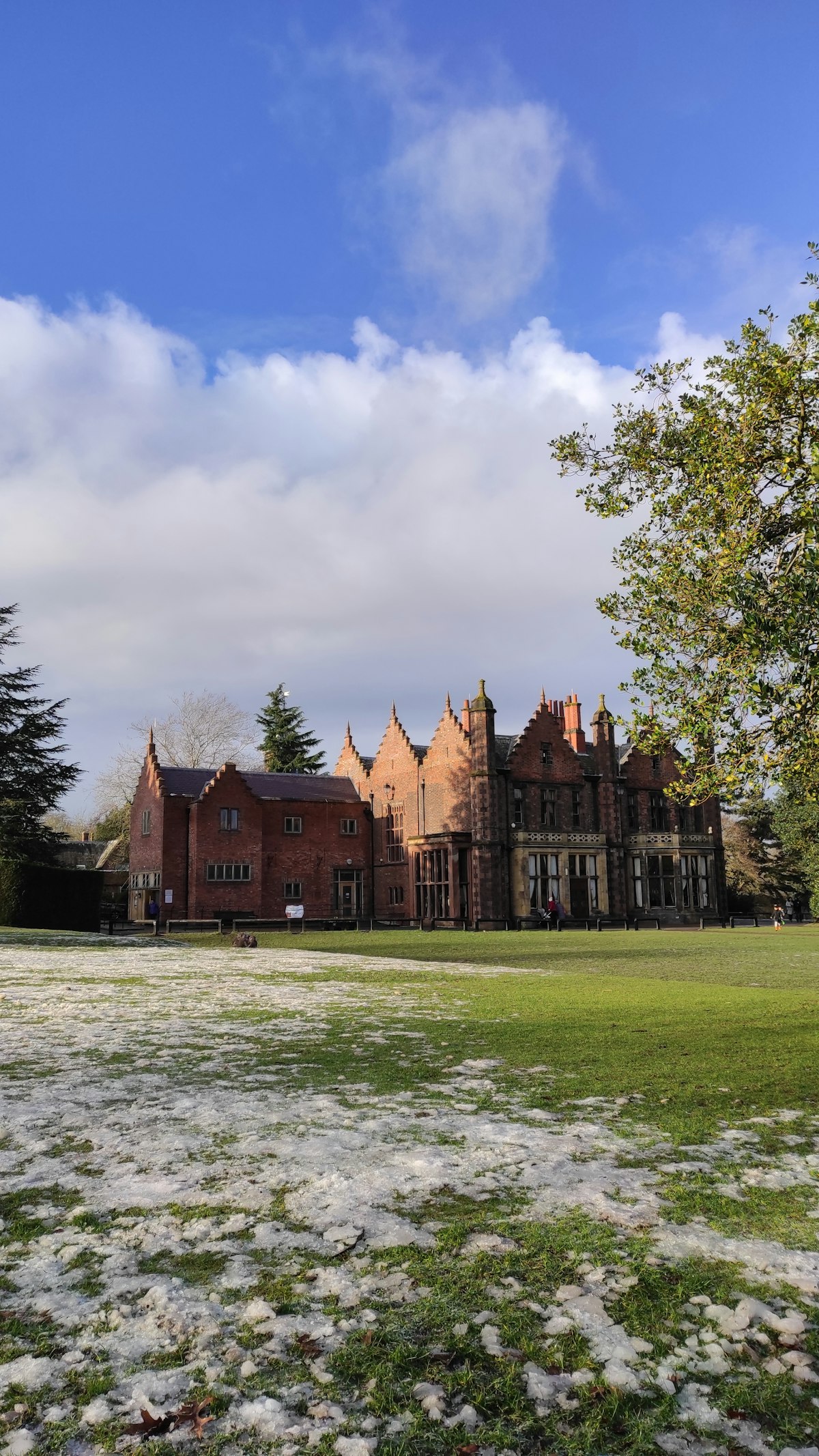
Daylight Requirements in Warrington
A clear guide to daylight requirements in Warrington, covering the Warrington Local Plan 2021/22-2038/39, Policies DC6 and ENV8, the Warrington Design Guide SPD and BRE BR 209 (2022) for residential planning applications.
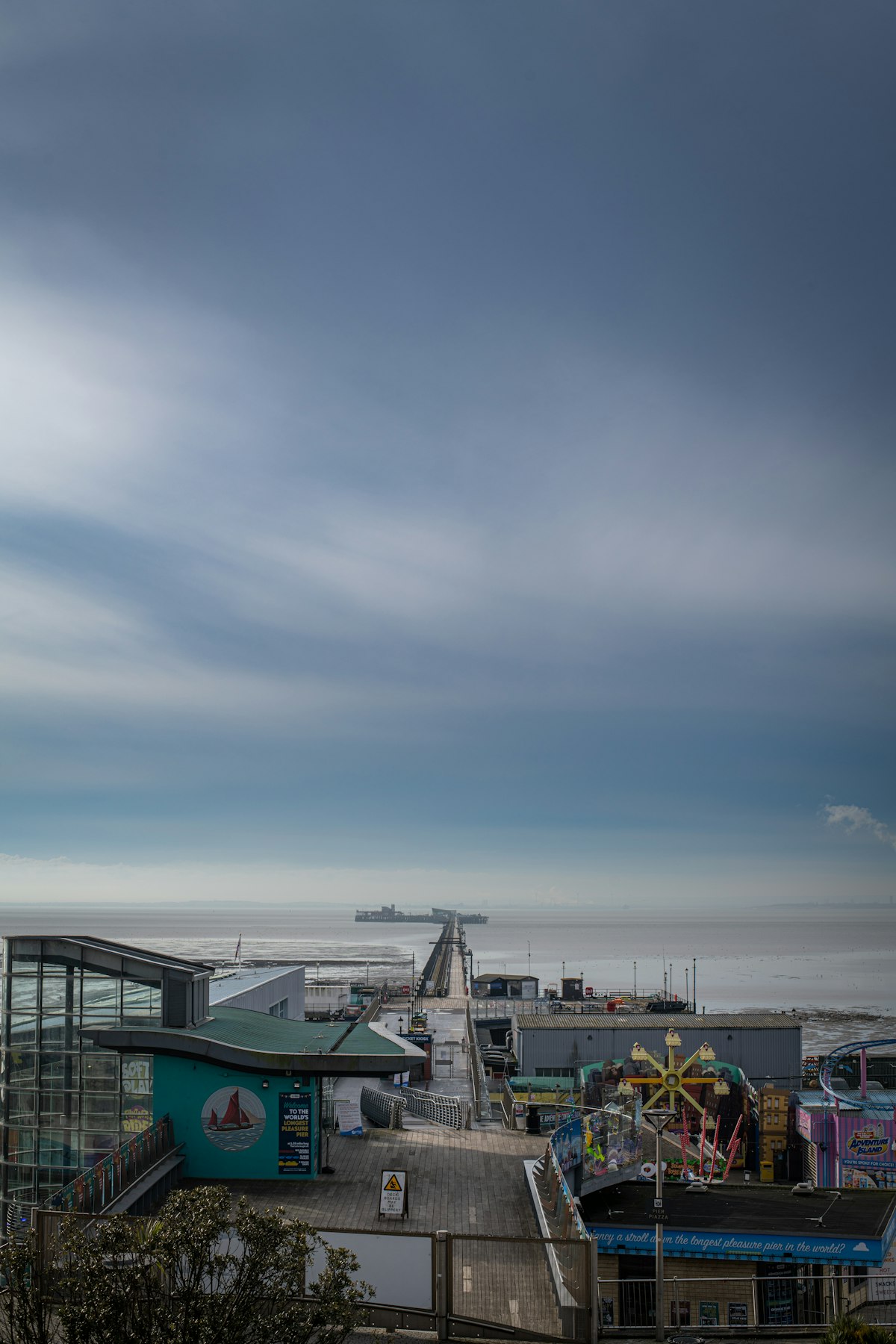
Daylight Requirements in Southend-on-Sea
A practical guide to daylight and sunlight in Southend-on-Sea planning, covering the Core Strategy, Development Management Document policies DM1 and DM3, the Design and Townscape Guide and BRE BR 209.
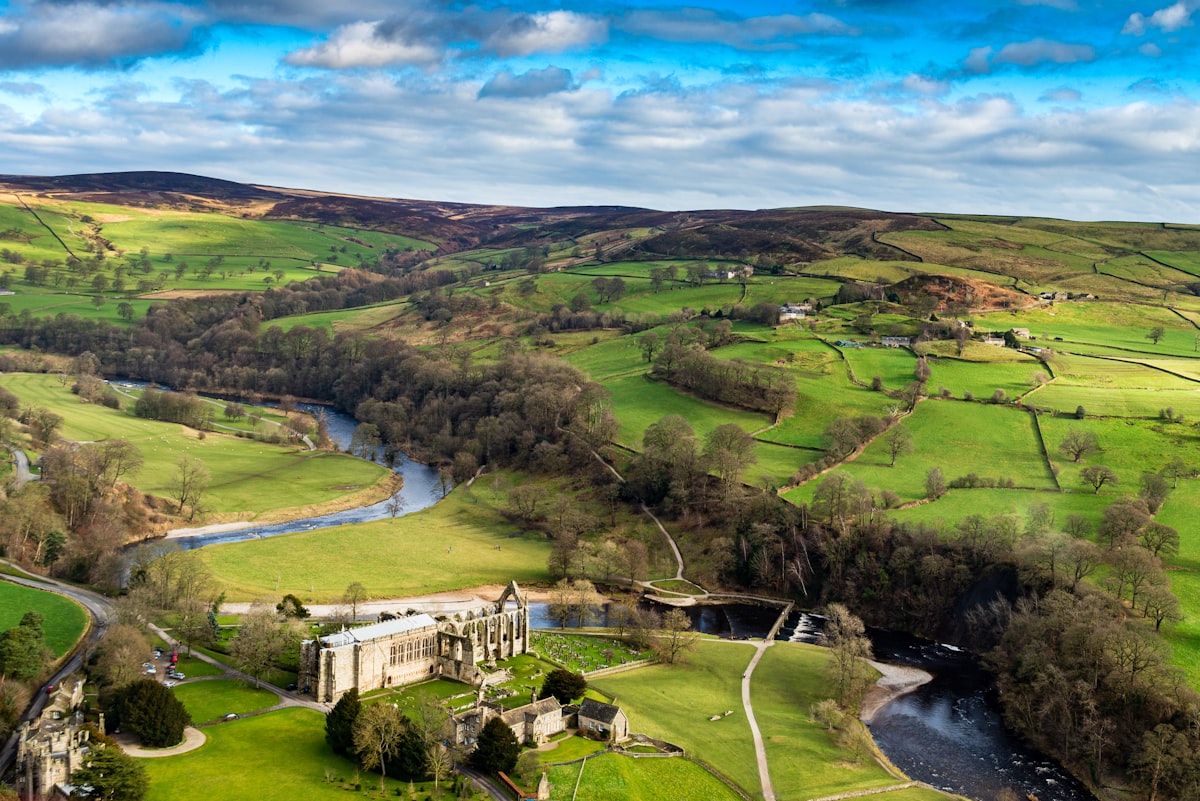
Daylight Requirements in Westmorland and Furness
A practical guide to daylight requirements in Westmorland and Furness, covering the legacy South Lakeland, Barrow and Eden Local Plans, the council's validation checklist, and how BRE BR 209 (2022) is applied across this new Cumbrian unitary authority.
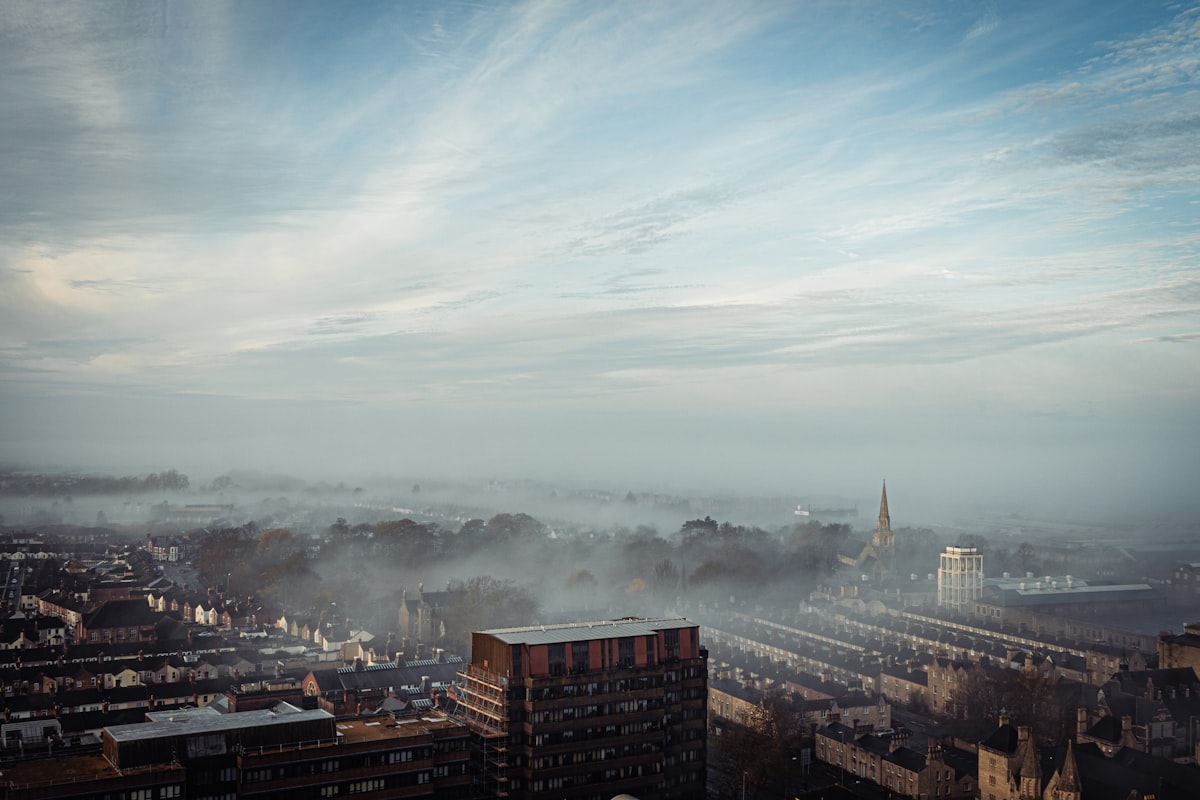
Daylight Requirements in Swindon
A practical guide to daylight requirements in Swindon, covering the Swindon Borough Local Plan 2026, Policy DE1, the Residential Design Guide SPD and how BRE BR 209 (2022) assessments support planning applications across the borough.
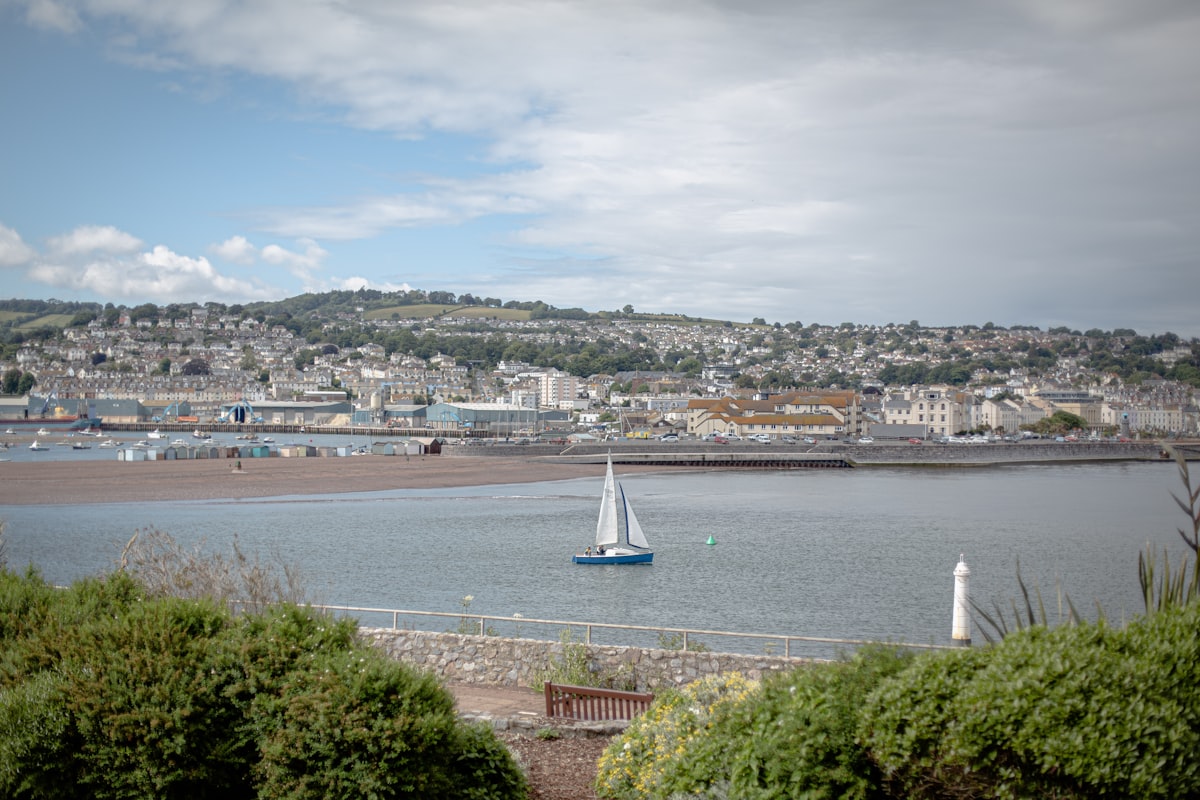
Daylight Requirements in Torbay
A practical guide to daylight requirements in Torbay, covering the adopted Torbay Local Plan 2012-2030, amenity policy DE3, BRE BR 209 (2022) and how to support a planning application across Torquay, Paignton and Brixham.
Daylight Requirements in Southampton
How daylight and sunlight are assessed in Southampton planning applications, from the adopted Core Strategy and Local Plan Review to the Residential Design Guide SPD and BRE BR 209 guidance.
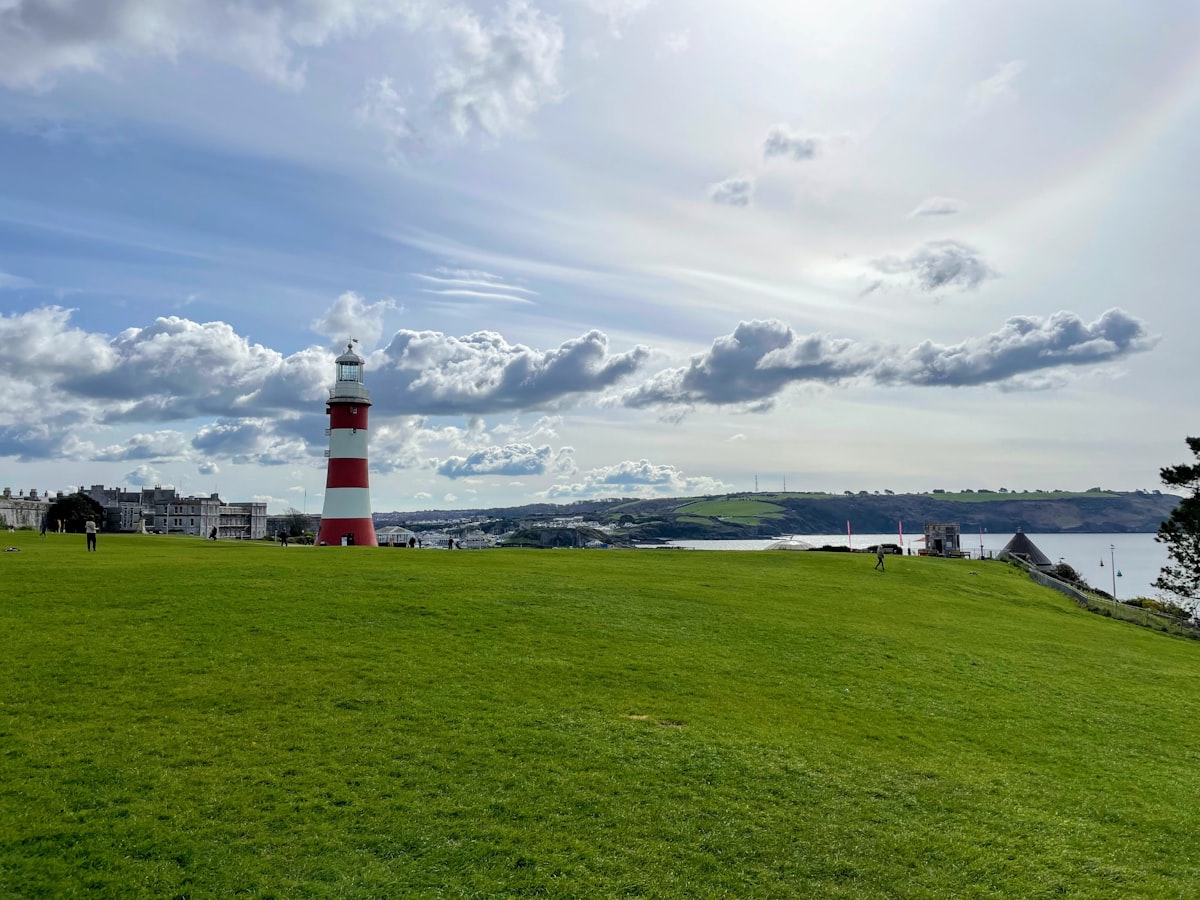
Daylight Requirements in Plymouth
Daylight requirements in Plymouth are set by the Joint Local Plan and a detailed adopted SPD applying the 45-degree and 25-degree guidelines. This guide explains the policies, the BRE method and how to support a planning application.
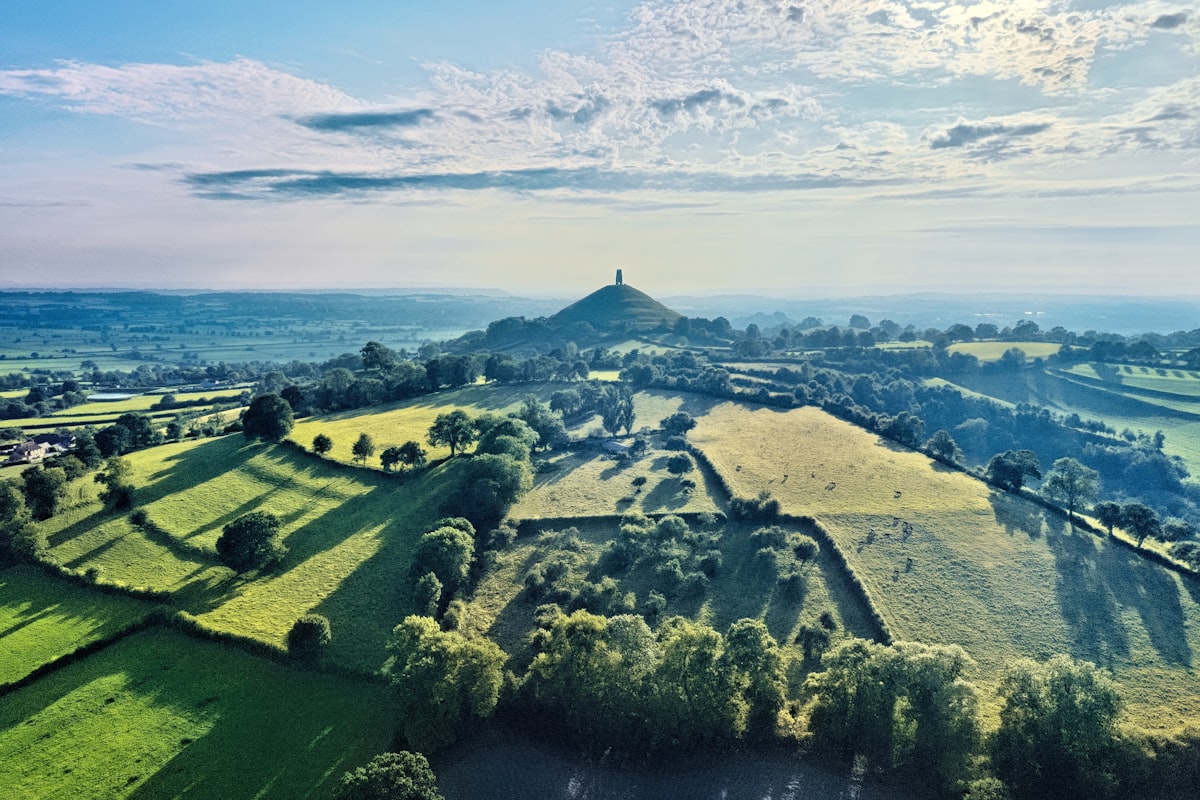
Daylight Requirements in Somerset
A guide to daylight requirements in Somerset: how the unitary council applies four legacy district local plans, including Mendip Policy DP7 and South Somerset Policy EQ2, alongside BRE BR 209 (2022) for daylight and sunlight.
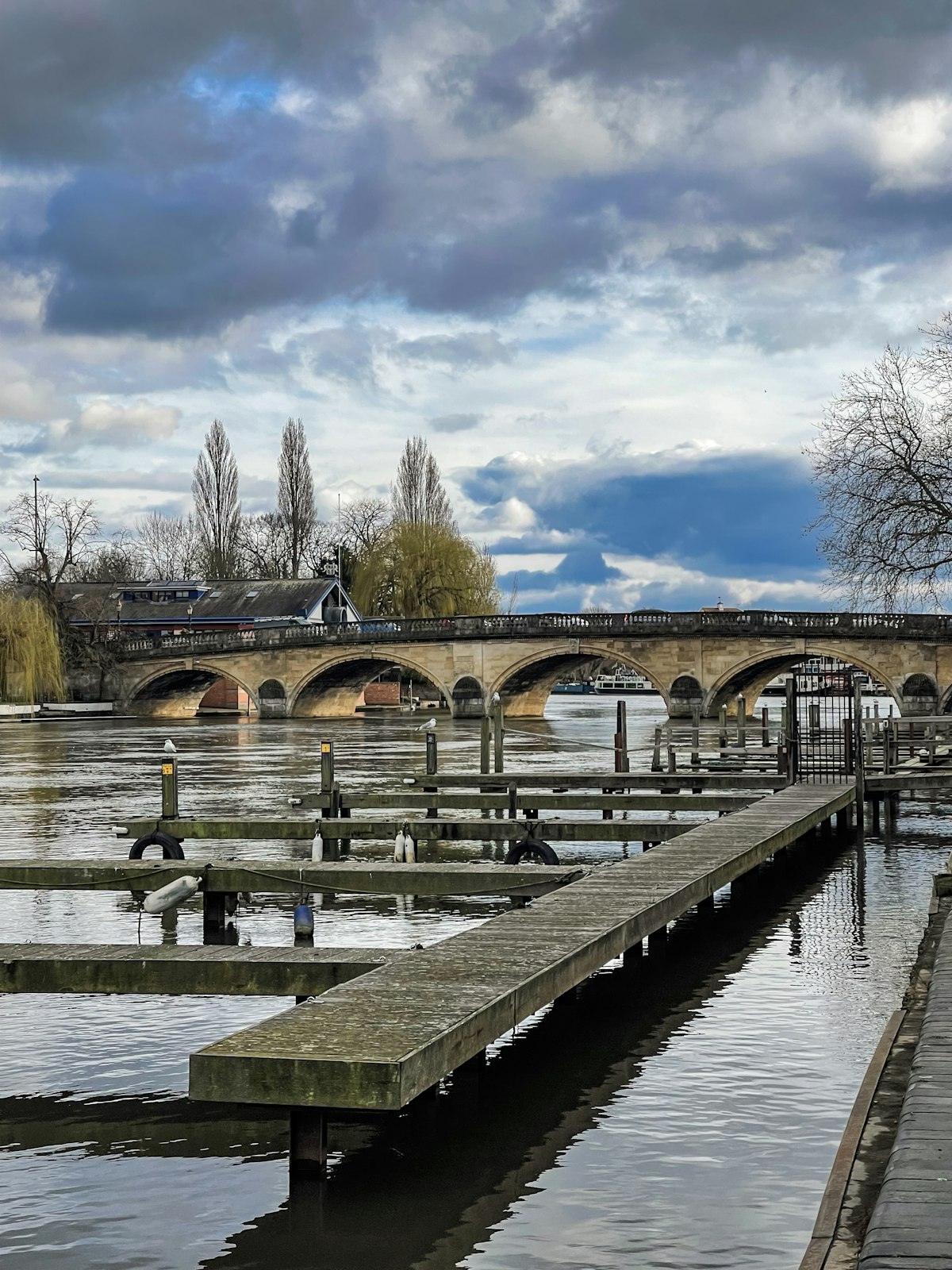
Daylight Requirements in Reading
A practical guide to daylight requirements in Reading: how the adopted Reading Borough Local Plan, the Design Guide to House Extensions SPD and national BRE guidance shape daylight and sunlight assessment for development across the borough.
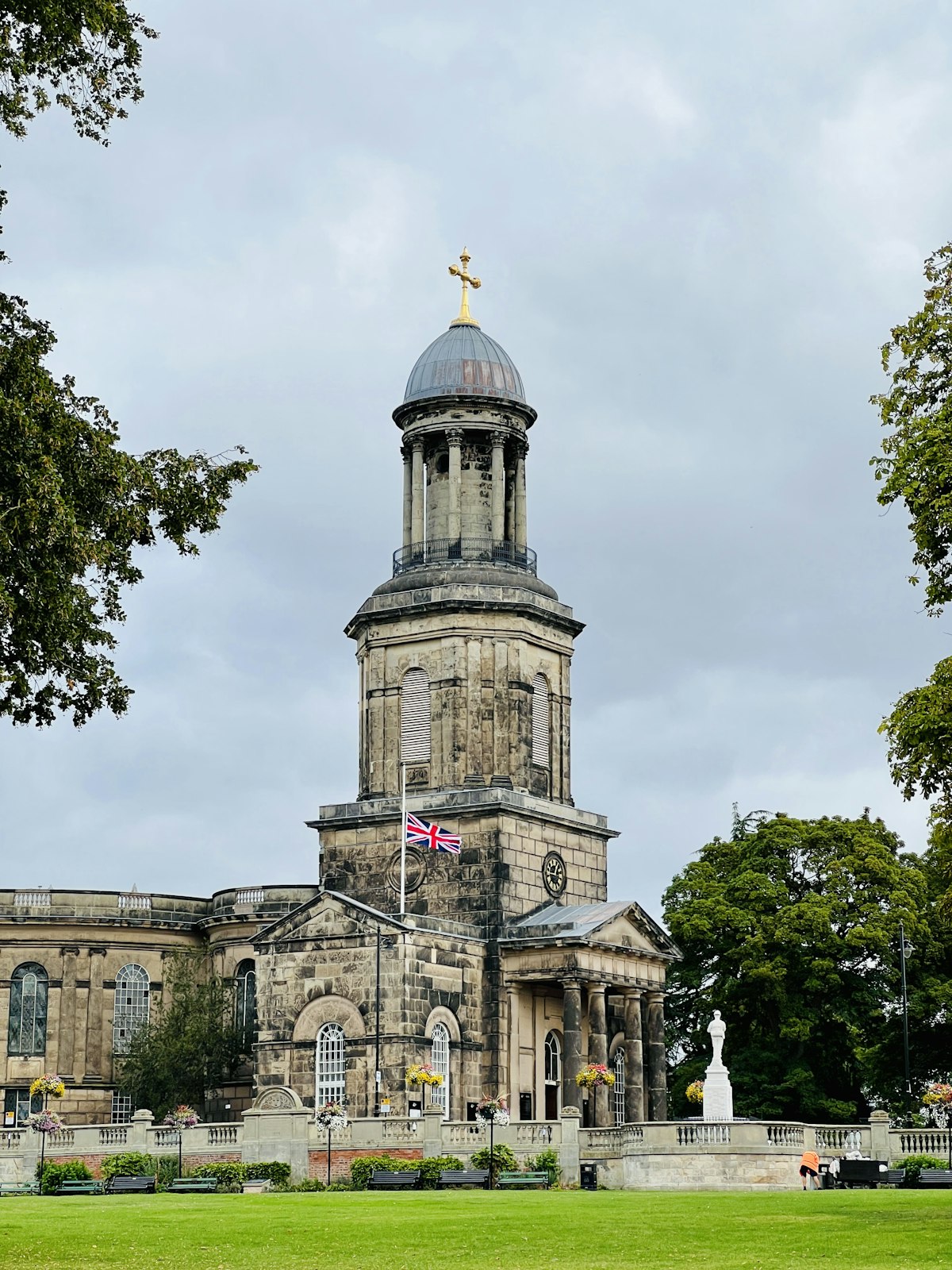
Daylight Requirements in Shropshire
A clear guide to daylight requirements in Shropshire: how the adopted Core Strategy and SAMDev Plan, Policies CS6 and MD2, and BRE BR 209 (2022) shape daylight and sunlight assessment for development in Shrewsbury and across the county.
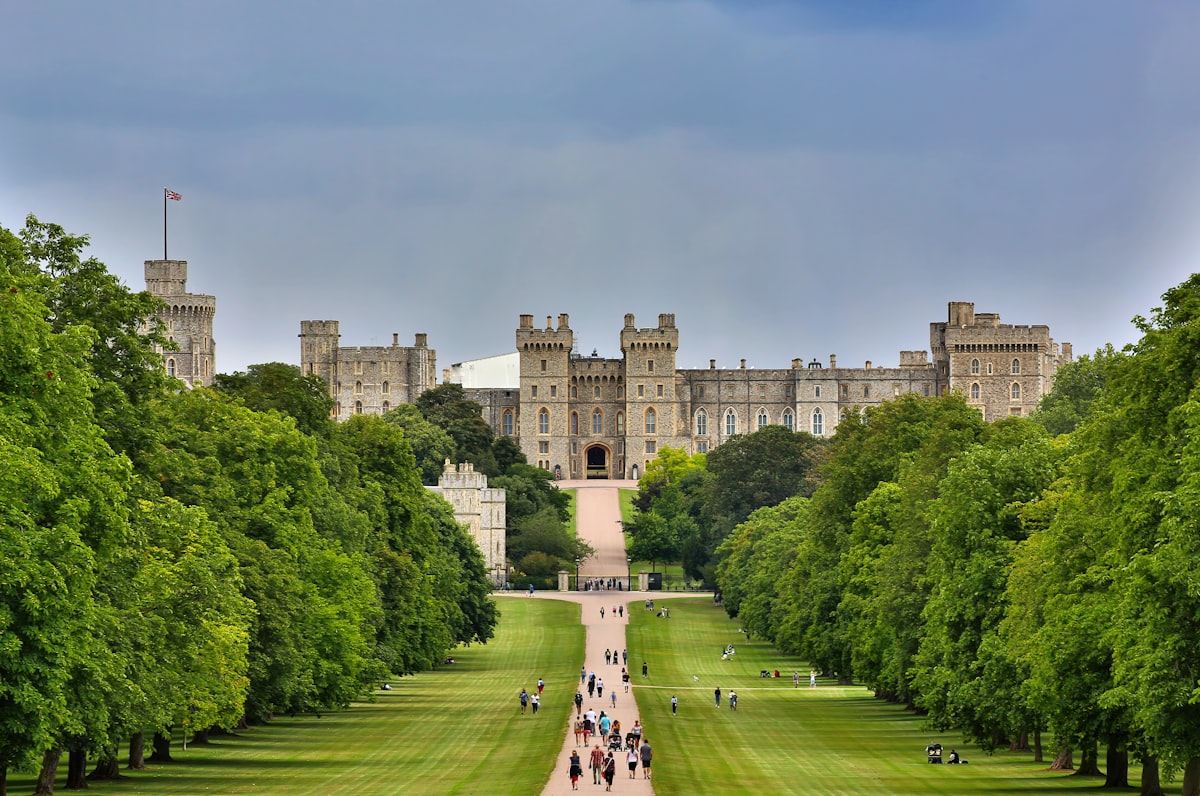
Daylight Requirements in Slough
Understanding daylight requirements in Slough: how the Core Strategy 2008, saved Local Plan policies and the Residential Extension Guidelines treat daylight, sunlight and residential amenity for development in this dense Berkshire borough.
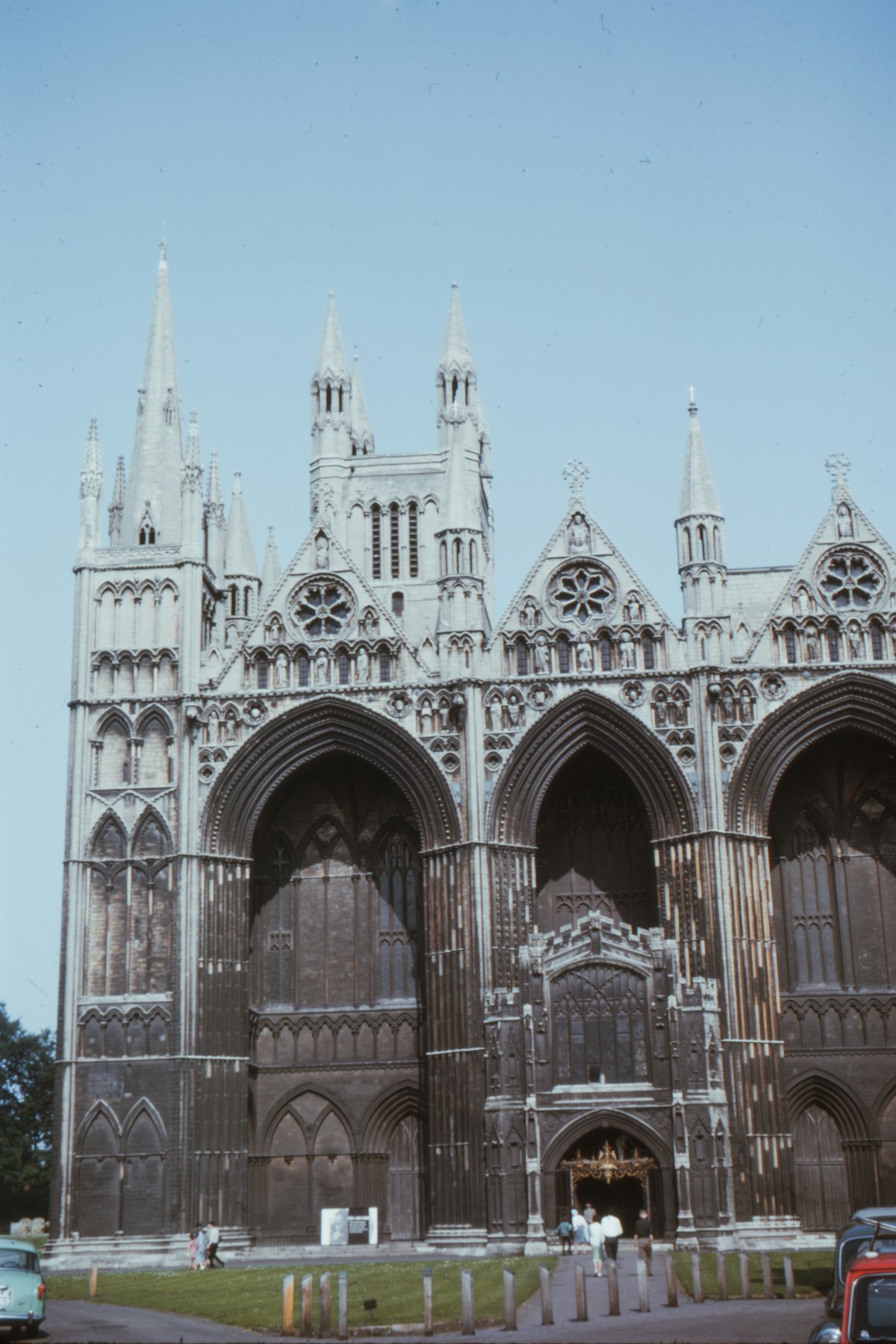
Daylight Requirements in Peterborough
Understanding daylight requirements in Peterborough means reading the adopted 2019 Local Plan alongside BRE BR 209 (2022). This guide explains the policies, the assessment methods and how to support a planning application in the cathedral city.
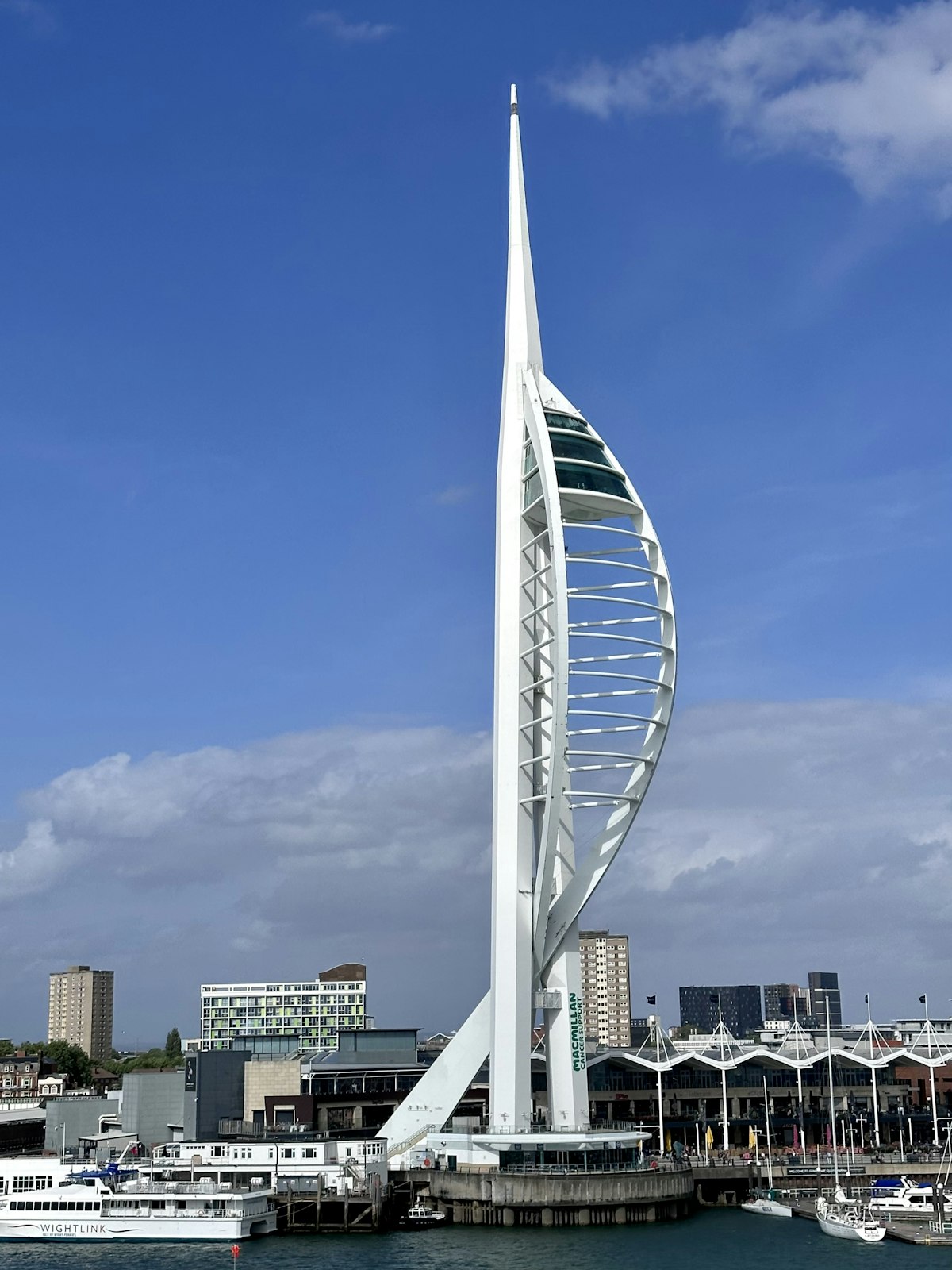
Daylight Requirements in Portsmouth
Understanding daylight requirements in Portsmouth: how the adopted Portsmouth Plan, the council's validation checklist and national BRE guidance shape daylight and sunlight assessment in England's most densely populated city outside London.
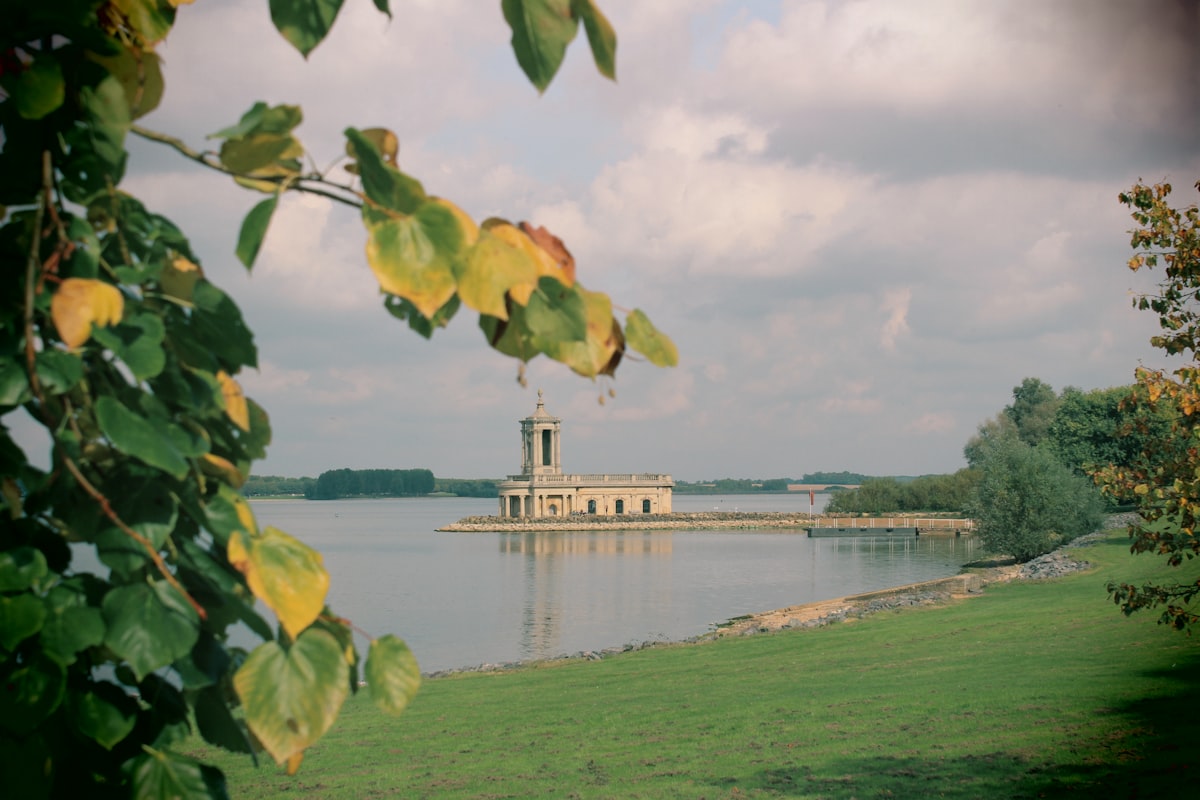
Daylight Requirements in Rutland
Understanding daylight requirements in Rutland: how the adopted Local Plan, the Extensions to Dwellings SPD and BRE BR 209 (2022) shape daylight and sunlight assessment for development in Oakham, Uppingham and the county's stone villages.
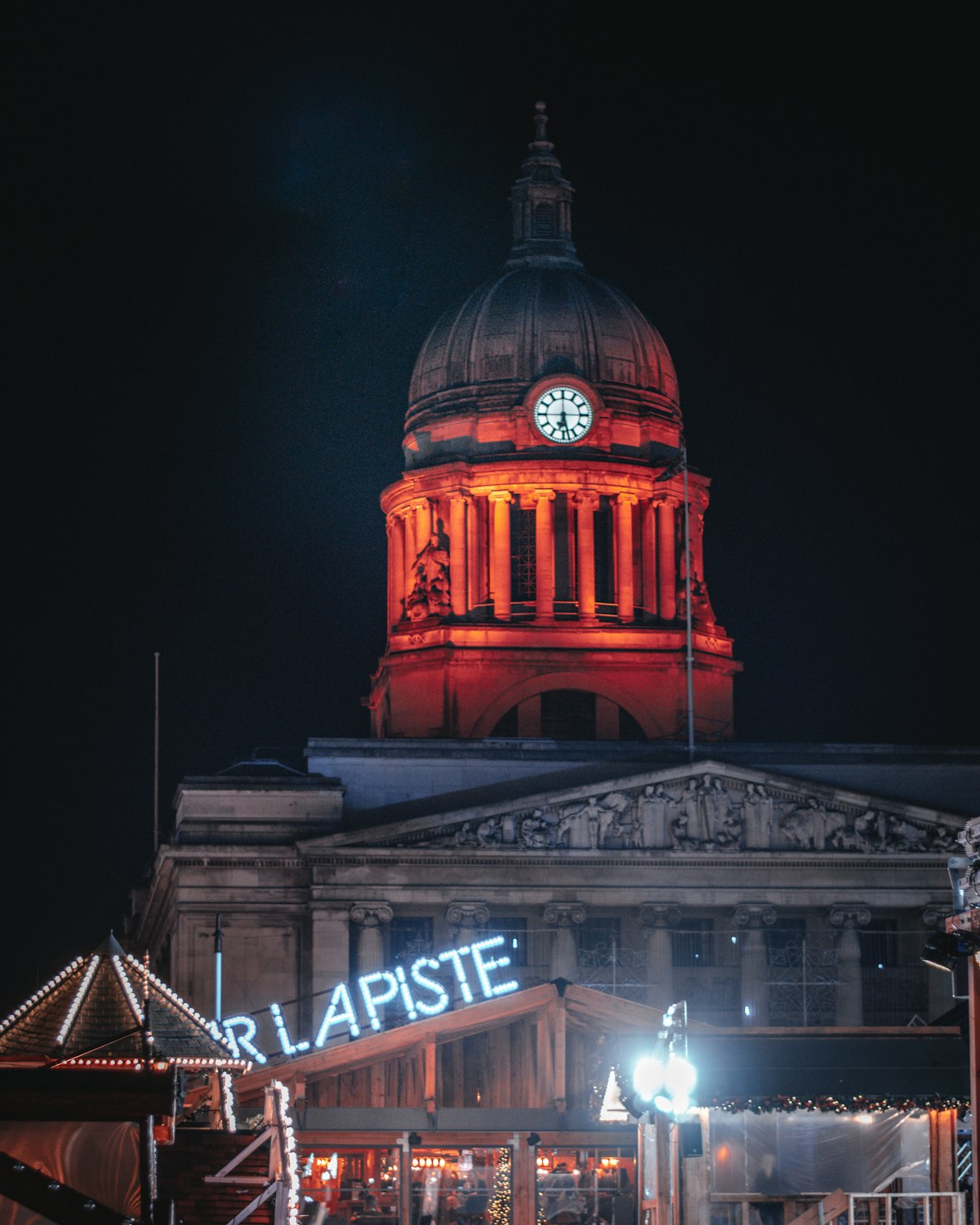
Daylight Requirements in Nottingham
A clear guide to daylight requirements in Nottingham, explaining the city's adopted Local Plan, Policy DE1 on building design and amenity, the BRE 2022 methodology and how to evidence your application to Nottingham City Council.
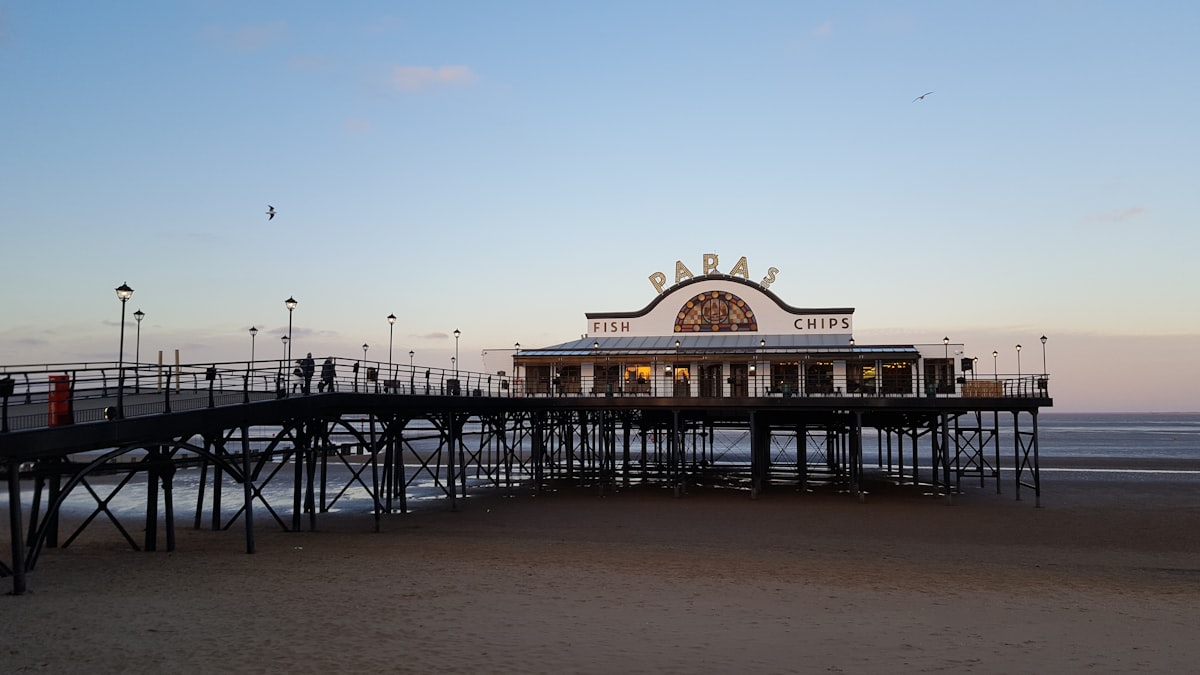
Daylight Requirements in North East Lincolnshire
How daylight and sunlight are assessed in North East Lincolnshire under the adopted Local Plan, the BRE BR 209 guidance, BS EN 17037 and NPPF, and how Fortress Associates can help with your Grimsby or Cleethorpes planning application.

Daylight Requirements in North Northamptonshire
A practical guide to the daylight requirements in North Northamptonshire, covering the Joint Core Strategy, the Part 2 Local Plans for Kettering, Corby, Wellingborough and East Northamptonshire, and how BRE BR 209 (2022) is applied.
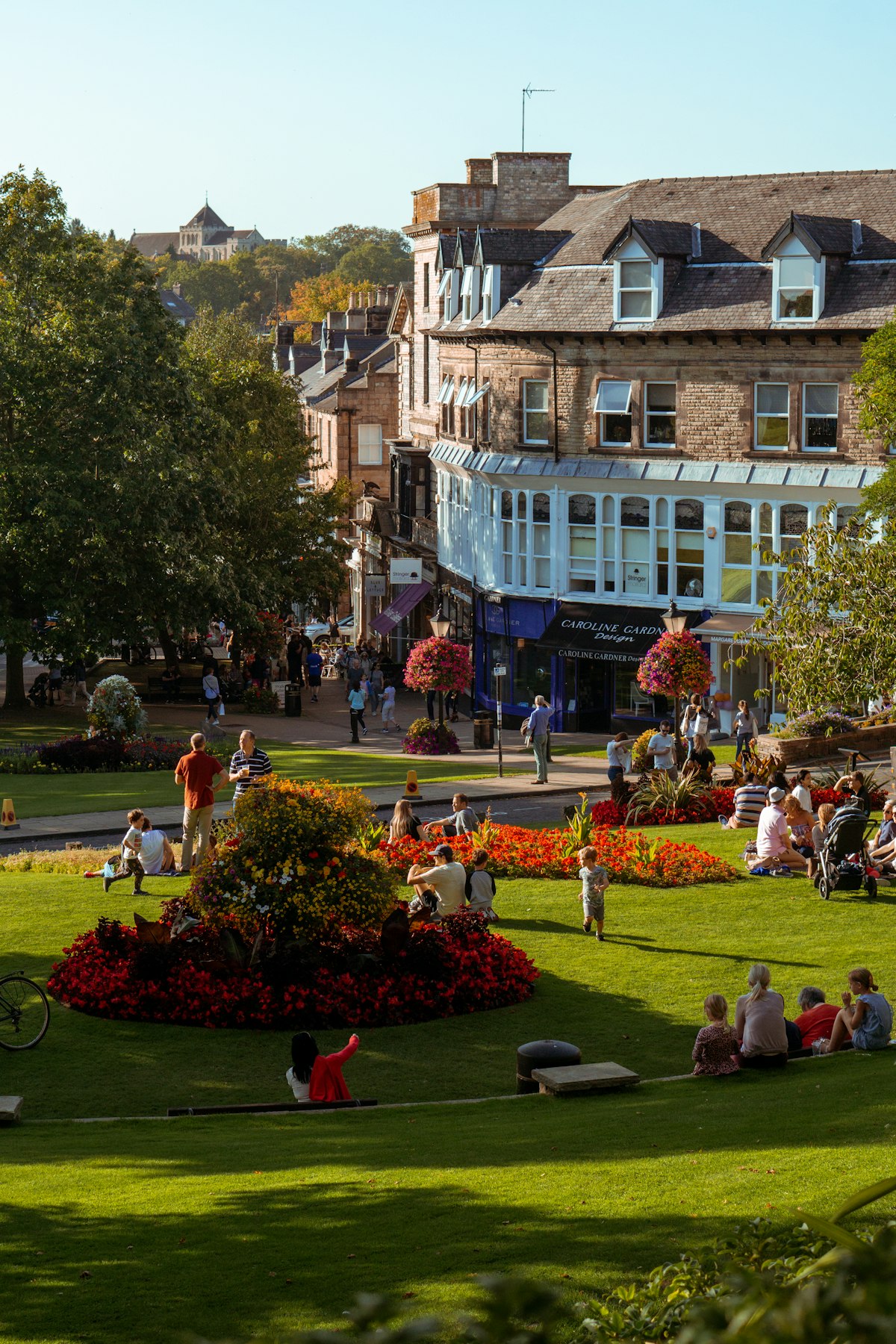
Daylight Requirements in North Yorkshire
Understanding daylight and sunlight in North Yorkshire after the 2023 unitary reorganisation. We explain which legacy district Local Plan applies to your site, the policies on amenity and light, and how BRE BR 209 is used.

Daylight Requirements in North Lincolnshire
How daylight and sunlight are assessed in North Lincolnshire planning applications, from the adopted Core Strategy and saved Local Plan policies to the council's house extensions guidance and BRE BR 209 (2022).
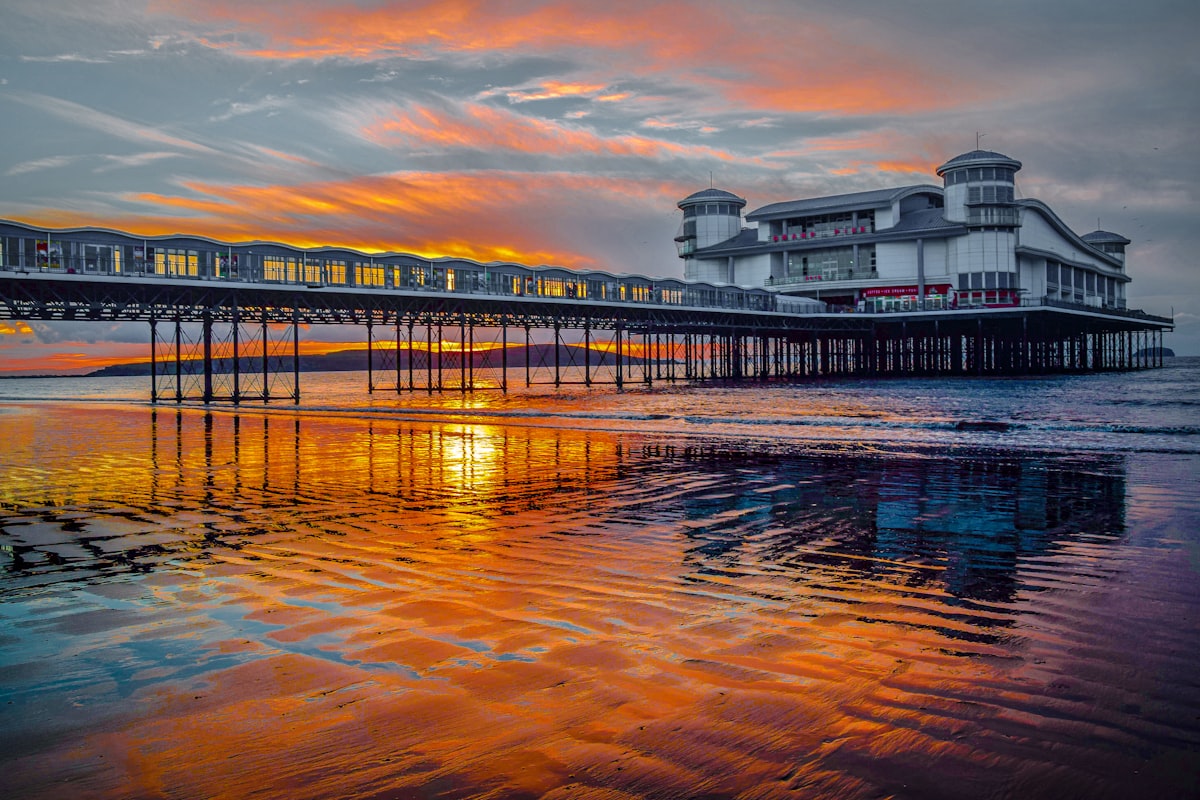
Daylight Requirements in North Somerset
How daylight and sunlight are assessed in North Somerset, covering Weston-super-Mare, Clevedon and Portishead. We explain the adopted Local Plan policies, the Residential Design Guide's 45-degree test and how BRE BR 209 applies.
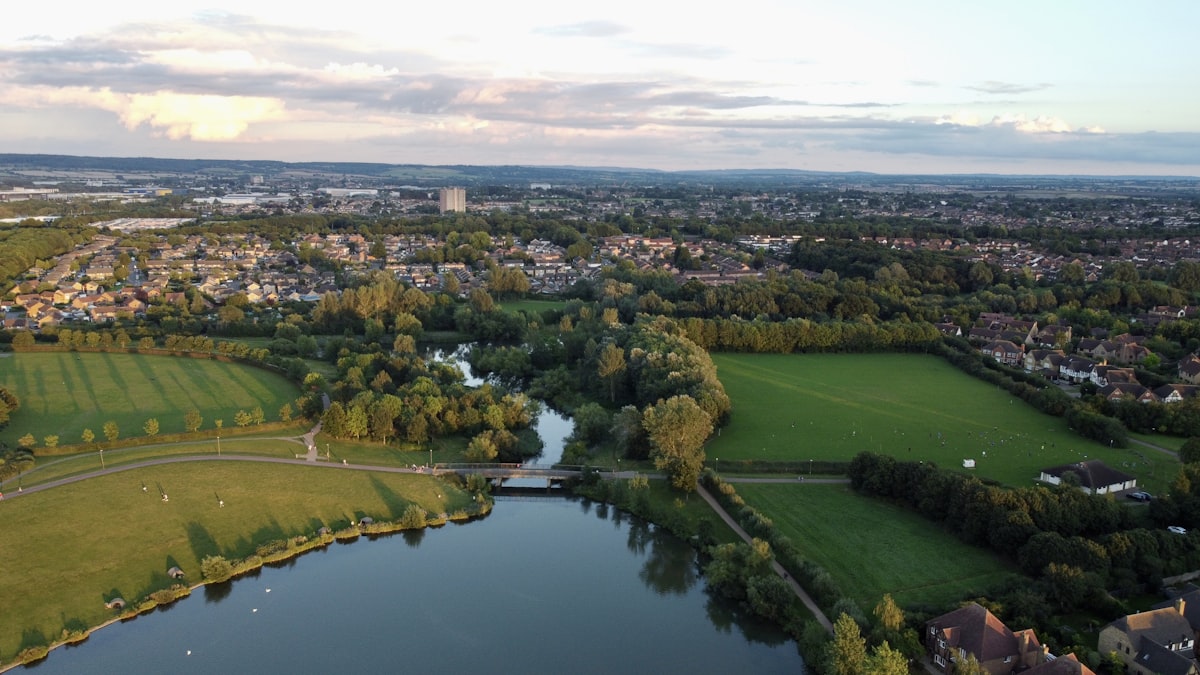
Daylight Requirements in Milton Keynes
How daylight and sunlight are assessed in Milton Keynes under Plan:MK Policy D5, the BRE BR 209 guidance, BS EN 17037 and NPPF, and how Fortress Associates can help with your planning application.
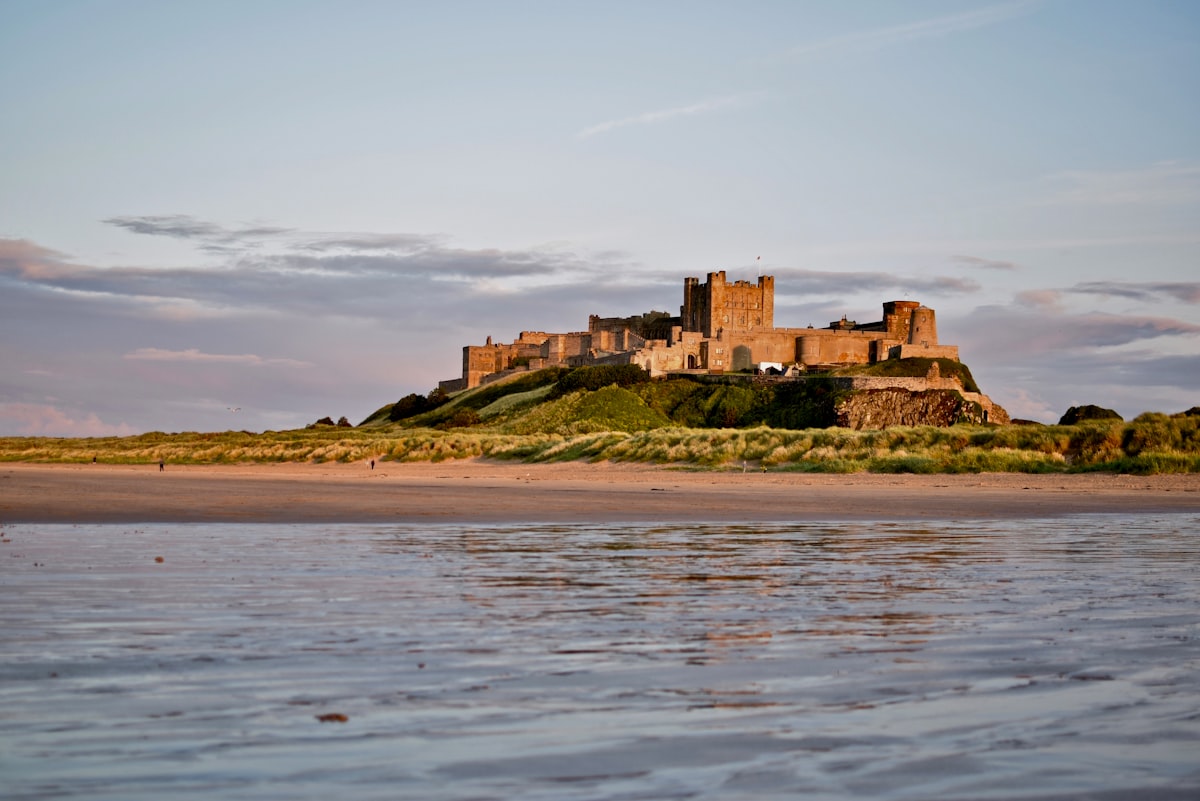
Daylight Requirements in Northumberland
A practical guide to daylight requirements in Northumberland, covering the adopted Local Plan, amenity policies QOP1 and QOP2, the BRE 2022 methodology and how to evidence your scheme to the council.
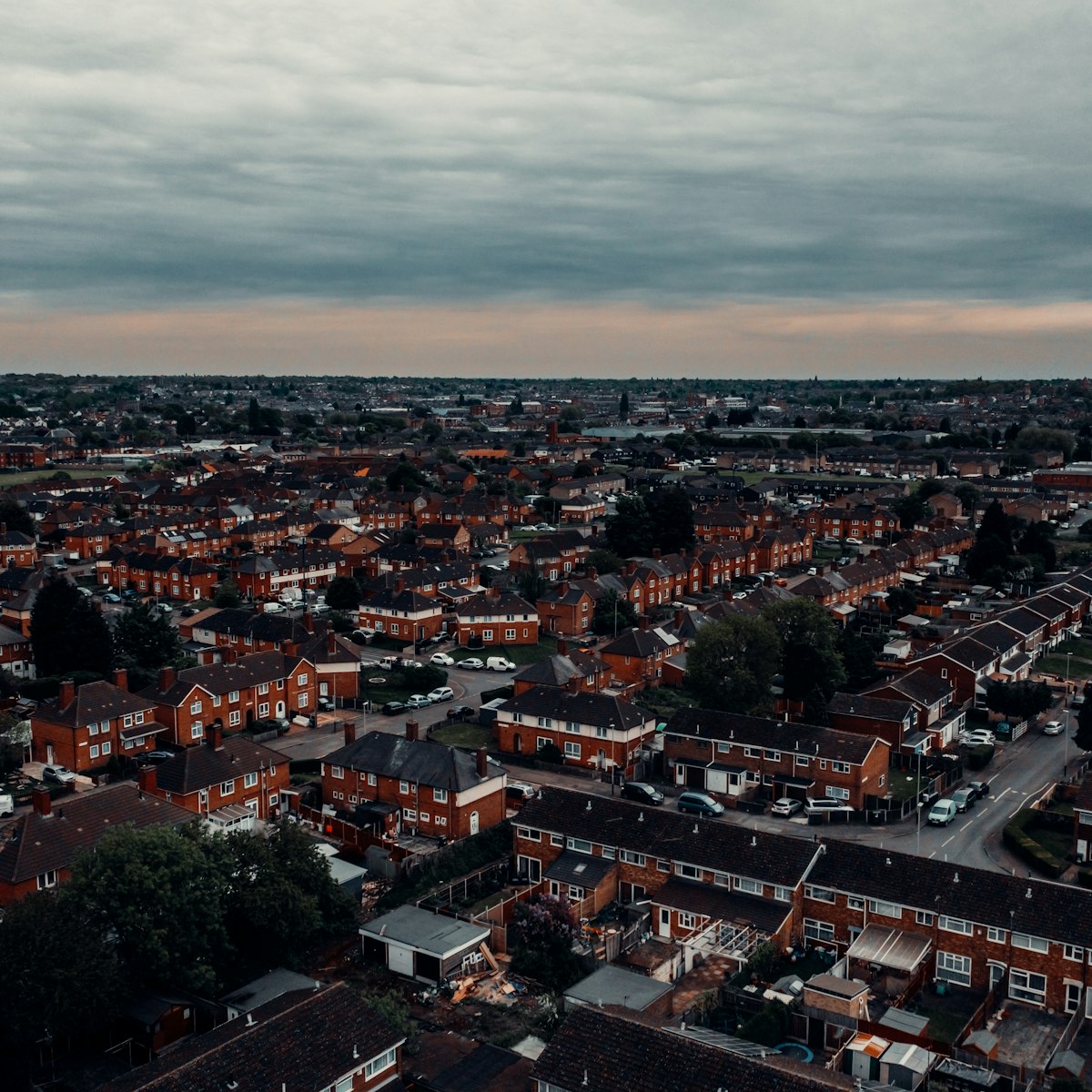
Daylight Requirements in Leicester
A clear guide to daylight requirements in Leicester, covering the city's Local Plan, the adopted Residential Amenity SPD with its 45-degree and separation-distance rules, and how BRE BR 209 (2022) applies to planning applications.
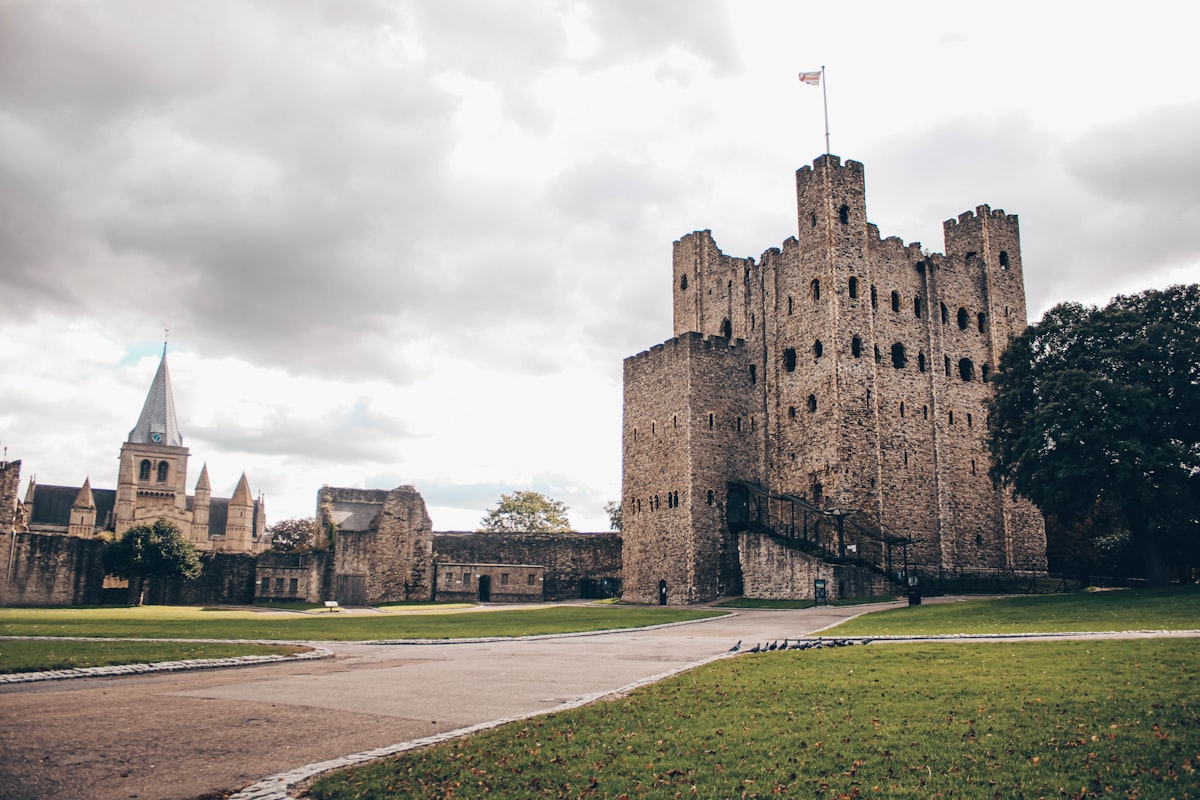
Daylight Requirements in Medway
A clear guide to daylight requirements in Medway: the saved Medway Local Plan 2003, Policies BNE1 and BNE2, the emerging Medway Local Plan 2041 and how BRE BR 209 (2022) applies across Chatham, Gillingham and Rochester.
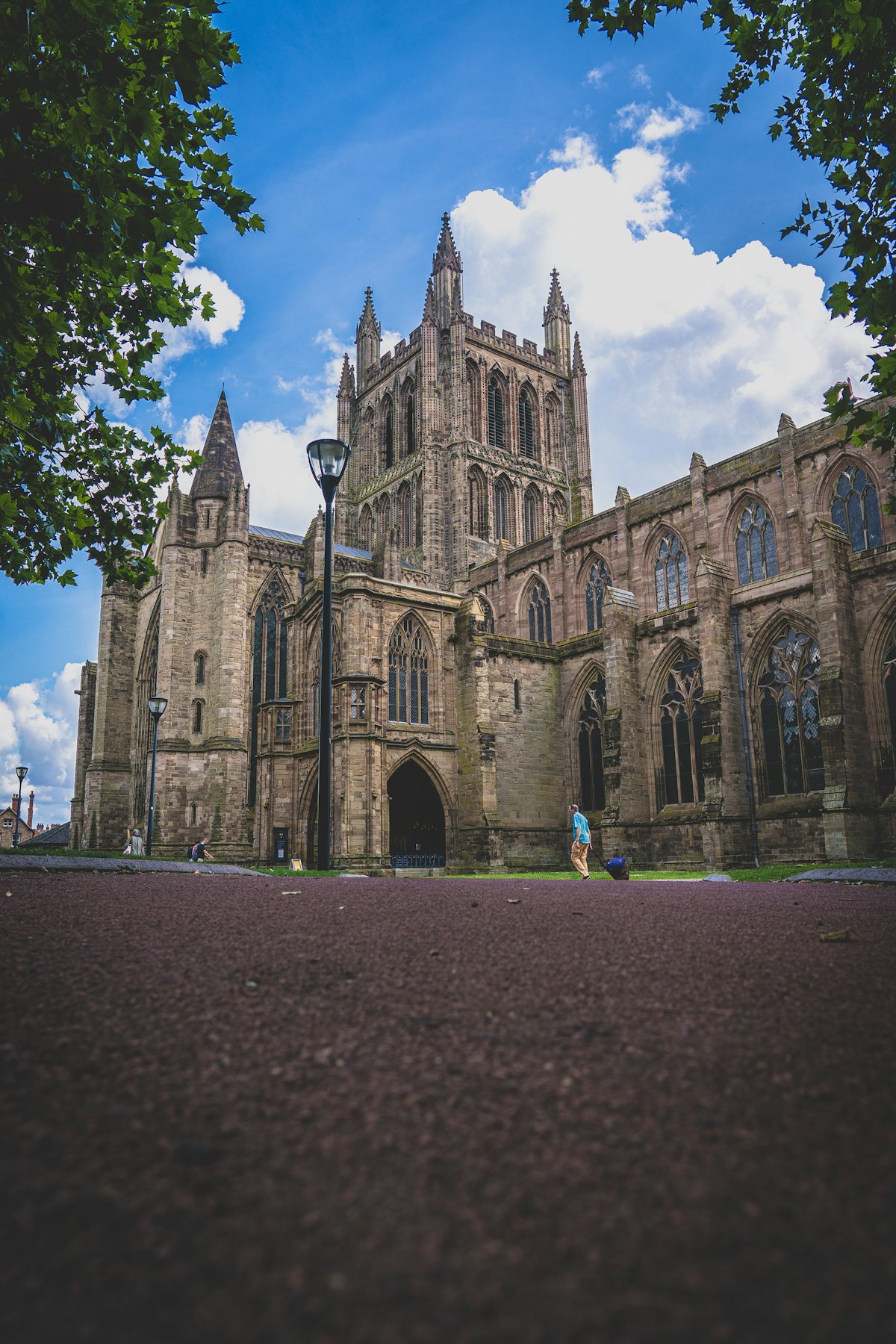
Daylight Requirements in Herefordshire
Daylight requirements in Herefordshire are set by the adopted Core Strategy (2015) and assessed against national BRE guidance. Here is what the council expects for homes and extensions in Hereford, the market towns and the rural county.
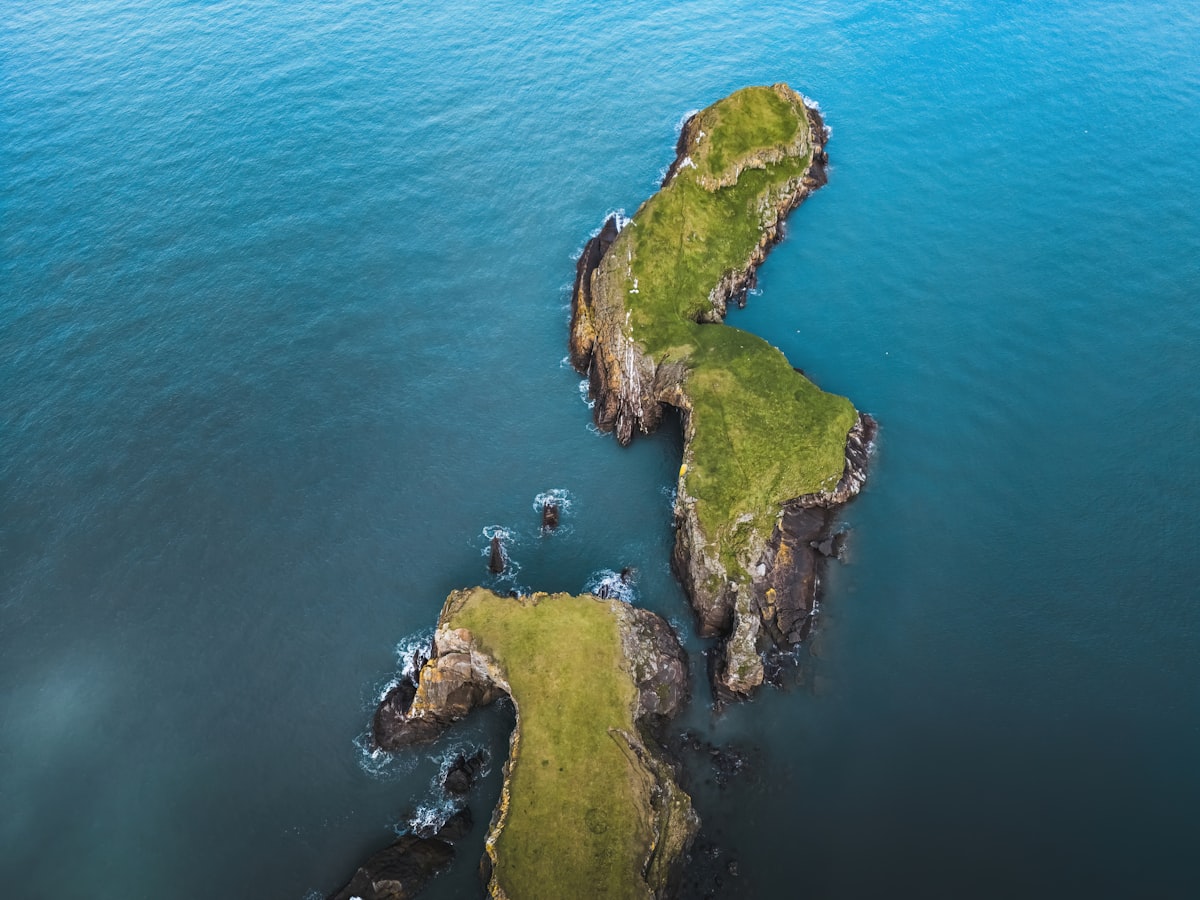
Daylight Requirements in the Isles of Scilly
A clear, honest guide to daylight requirements in the Isles of Scilly: what the adopted Local Plan 2015-2030 says, the council's Light Assessment requirement, and how BRE and BS EN 17037 standards apply on Britain's smallest planning authority.
Daylight Requirements in Luton
A practical guide to daylight requirements in Luton: the adopted Luton Local Plan 2011-2031, Policy LLP25, the emerging new Local Plan and how BRE BR 209 (2022) applies to planning applications in the town.
Daylight Requirements in Kingston upon Hull
A practical guide to daylight requirements in Kingston upon Hull, covering the Hull Local Plan, the council's validation checklist, SPD 7 and how BRE BR 209 (2022) is applied to local planning applications.
Daylight Requirements in Halton
Understanding daylight requirements in Halton means reading the adopted Delivery and Allocations Local Plan (2022) and the council's House Extensions guidance alongside BRE BR 209. Here is how daylight and sunlight are assessed across Runcorn and Widnes.
Daylight Requirements in the Isle of Wight
A practical guide to daylight requirements in the Isle of Wight, covering the Island Plan Core Strategy, the emerging Island Planning Strategy, and how BRE and BS EN 17037 standards apply to Island development.
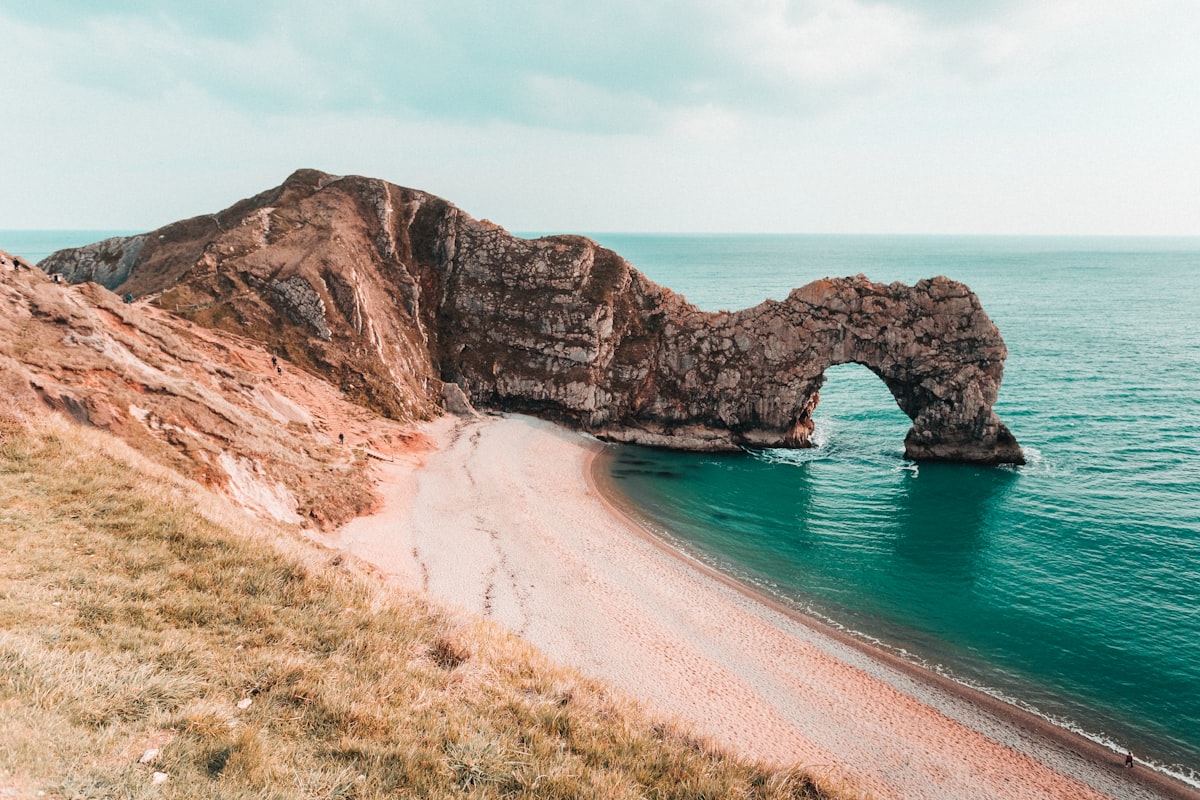
Daylight Requirements in Dorset
A clear guide to daylight requirements in Dorset: how the council's legacy local plans protect amenity, when a daylight and sunlight assessment is required, and how BRE BR 209 and BS EN 17037 apply.
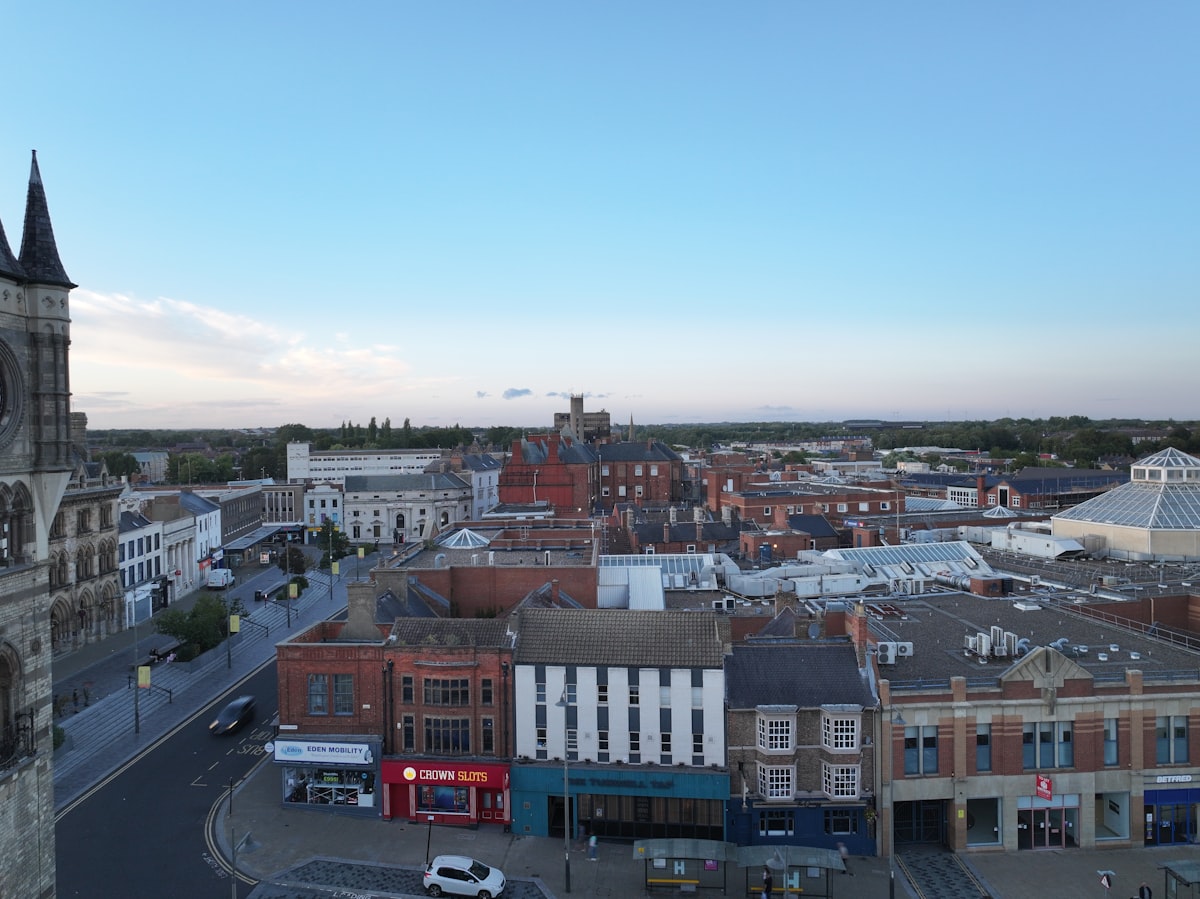
Daylight Requirements in Darlington
A practical guide to daylight and sunlight in Darlington planning applications: the adopted Local Plan, the Design of New Development SPD separation distances, and how a BRE BR 209 report supports your scheme.
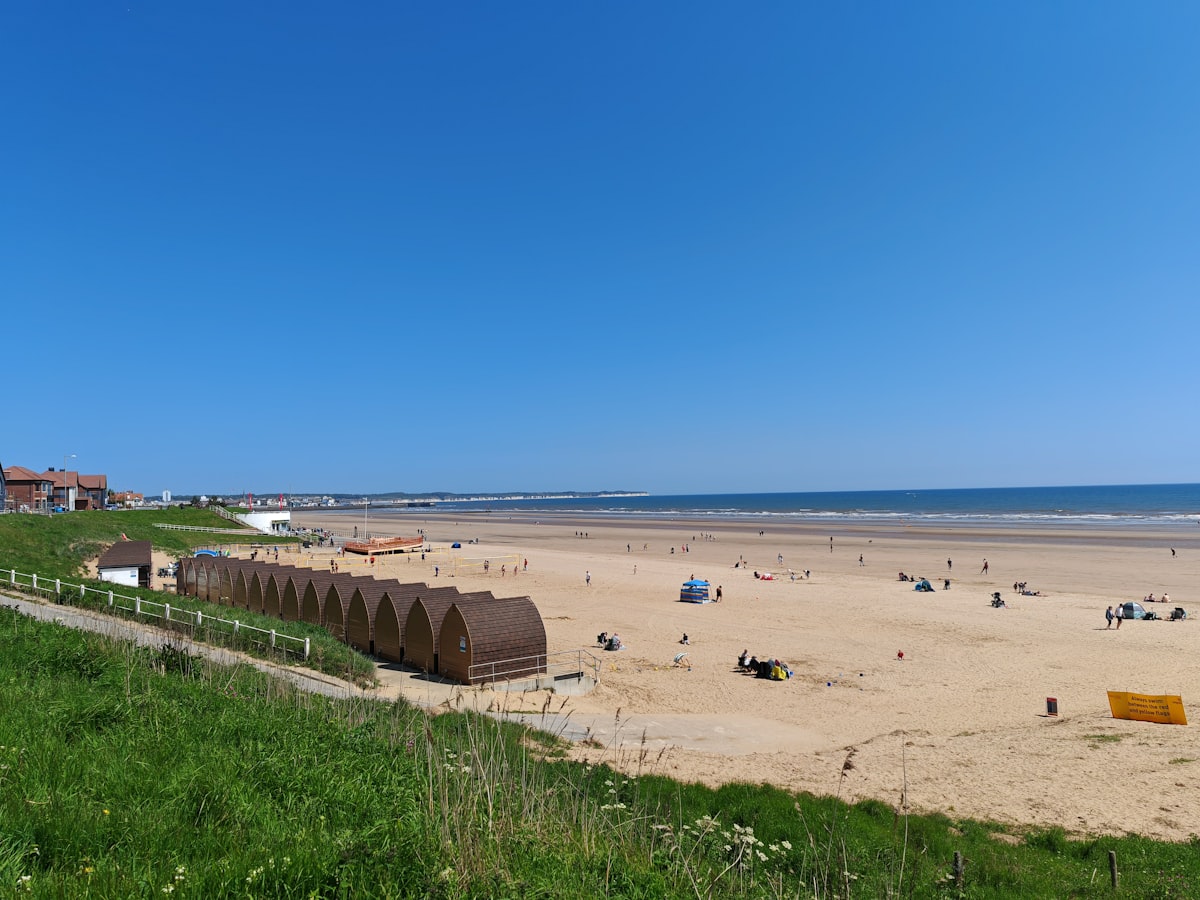
Daylight Requirements in East Riding of Yorkshire
A practical guide to daylight requirements in East Riding of Yorkshire: how the East Riding Local Plan Update 2020-2039, the East Riding Design Code and BRE BR 209 (2022) shape daylight and sunlight assessment for development.
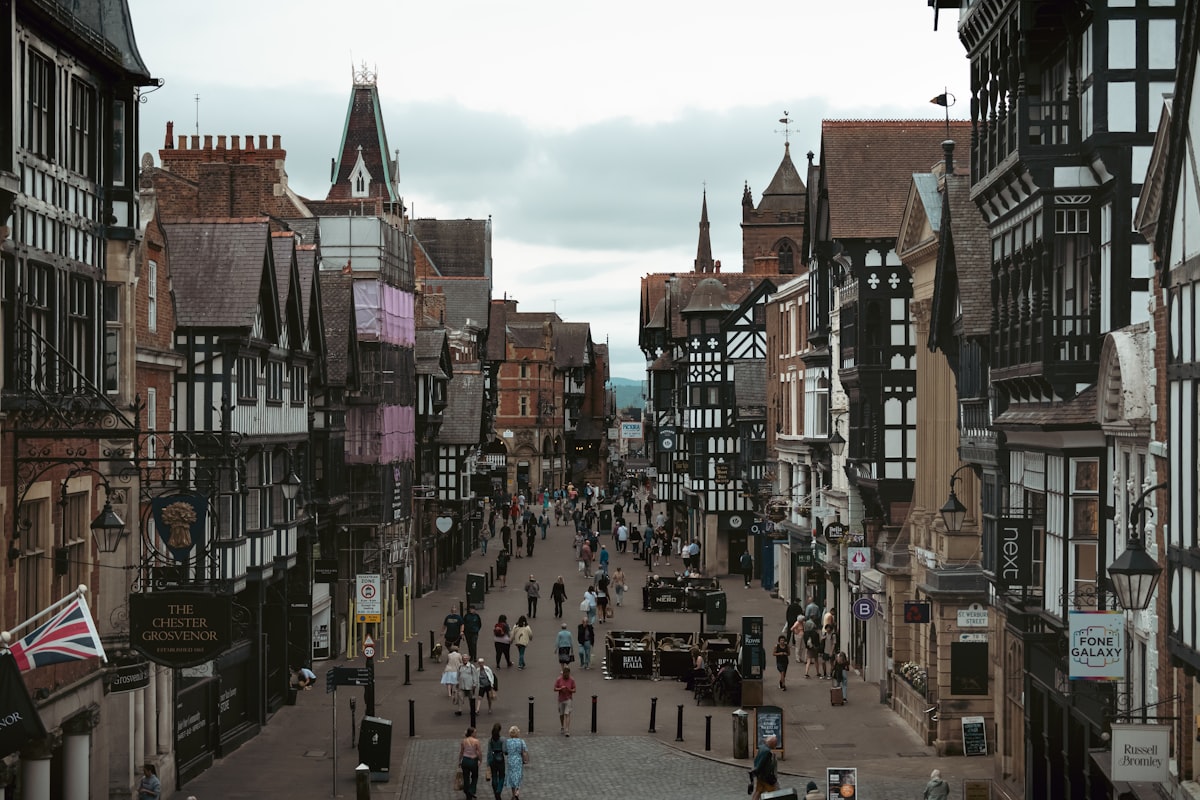
Daylight Requirements in Cheshire West and Chester
A practical guide to the daylight requirements in Cheshire West and Chester, including Policy DM 2, the 21 metre and 13 metre separation distances, the House Extensions SPD and BRE BR 209 (2022).
Daylight Requirements in Derby
A practical guide to daylight requirements in Derby: the policies in the Derby City Local Plan that protect amenity, how BRE BR 209 and BS EN 17037 apply, and what councils expect with applications.
Daylight Requirements in Cornwall
How daylight and sunlight are assessed in planning applications across Cornwall, the Local Plan policies that protect amenity, the Cornwall Design Guide, and how a BRE BR 209 report supports your scheme.
Daylight Requirements in County Durham
Understanding daylight requirements in County Durham: how the County Durham Plan (2020), the Residential Amenity Standards SPD and BRE BR 209 (2022) shape daylight and sunlight assessment for development across the county.
Daylight Requirements in Cheshire East
How daylight and sunlight are assessed in Cheshire East planning applications, covering the adopted Local Plan, Policy HOU 12 'Amenity', the Borough Design Guide SPD and BRE BR 209 (2022).
Daylight Requirements in Blackburn with Darwen
Daylight requirements in Blackburn with Darwen are governed by the adopted Local Plan 2021-2037, whose amenity and design policies expect new development to protect light, privacy and outlook for neighbouring homes. This guide explains how those policies work and when a BRE dayli
Daylight Requirements in Central Bedfordshire
Daylight requirements in Central Bedfordshire are assessed under Local Plan Policy HQ1 and the council's Design Guide SPD, using BRE BR 209 (2022) and BS EN 17037. Here is what applicants in Dunstable, Leighton Buzzard and Biggleswade need to know.
Daylight Requirements in Brighton and Hove
A guide to daylight requirements in Brighton and Hove, covering the City Plan Part One and Part Two, Policy DM20 Protection of Amenity, the Urban Design Framework SPD and how BRE BR 209 applies in this dense seafront city.
Daylight Requirements in Bournemouth, Christchurch and Poole
How daylight requirements in Bournemouth, Christchurch and Poole are assessed: the three inherited Local Plans still in force across BCP Council, the withdrawn BCP-wide plan, BRE BR 209 (2022), and how Fortress Associates helps.
Daylight Requirements in Bracknell Forest
Understanding daylight requirements in Bracknell Forest, from the 2024 Local Plan and Policy LP18 to the Design SPD. A practical guide for householders and developers on amenity, BRE BR 209 and getting daylight right in this Berkshire new town.
Daylight Requirements in Bedford
Daylight requirements in Bedford are assessed through the Bedford Local Plan 2030 and the Bedford Borough Design Guide SPD, which apply BRE BR 209 daylight and sunlight tests to protect residential amenity. Here is how those standards shape extensions and new homes across the bor
Daylight Requirements in Blackpool
A practical guide to daylight requirements in Blackpool: the adopted Local Plan policies, the Extending Your Home SPD, BRE BR 209 (2022) assessment, and how Fortress Associates supports planning applications across the resort.
Daylight Requirements in Buckinghamshire
Understanding daylight requirements in Buckinghamshire means navigating four legacy local plans plus an emerging unified plan. Here is how BRE BR 209 (2022), the VALP, the Wycombe Local Plan and council design guidance apply to your scheme.
Daylight Requirements in Bath and North East Somerset
A practical guide to daylight and sunlight in Bath and North East Somerset planning applications: the Local Plan policies, the World Heritage context, the BRE standards that apply, and how Fortress Associates can help.
Daylight Requirements in Wirral
A practical guide to daylight and sunlight in Wirral planning applications, covering the newly adopted Wirral Local Plan 2022 to 2040, the council's design policies and the BRE methodology that underpins a sound assessment in Birkenhead, West Kirby and Hoylake.
Daylight Requirements in Walsall
A practical look at how Walsall Council assesses daylight and sunlight, from the Black Country Core Strategy and saved UDP policies to the Designing Walsall SPD and the BRE 2022 method.
Daylight Requirements in Wolverhampton
How daylight and sunlight are assessed in planning applications across the City of Wolverhampton, the Local Plan policies that apply, and how Fortress Associates prepares BRE-compliant reports for the metropolitan borough.
Daylight Requirements in Tameside
A practical guide to the daylight requirements in Tameside: how Places for Everyone, the saved Unitary Development Plan, the Residential Design SPD and the BRE 2022 method shape daylight and sunlight assessment for new homes and extensions.
Daylight Requirements in Wigan
How daylight and sunlight are assessed in planning applications across Wigan Borough, covering the adopted Local Plan Core Strategy, the council's design guidance and the BRE methodology used to support proposals in Wigan, Leigh and beyond.
Daylight Requirements in Wakefield
How daylight and sunlight are assessed in Wakefield, from the Local Plan 2036 to the Residential Design Guide and the BRE 2022 method. A practical guide for applicants across the district and the Five Towns.
Daylight Requirements in Sunderland
How daylight and sunlight are assessed in Sunderland planning applications, covering the Core Strategy and Development Plan, the Residential Design Guide SPD, the Riverside Sunderland regeneration and the BRE 2022 methodology.
Daylight Requirements in Sheffield
Daylight requirements in Sheffield explained: how the Core Strategy (2009), saved UDP policies and the emerging Sheffield Plan, plus BRE BR 209 (2022), shape daylight and sunlight assessments across the city of seven hills.
Daylight Requirements in Stockport
A practical look at how Stockport Council assesses daylight and sunlight, the borough's Core Strategy and Extensions SPD position, and where a BRE 2022 report adds weight to an application.
Daylight Requirements in Rotherham
Daylight requirements in Rotherham are set by Local Plan Policy SP55, which expressly requires layouts that let enough daylight and sunlight into and between buildings, backed by BRE BR 209 (2022). This guide covers the adopted policies, the Householder Design Guide SPD and local
Daylight Requirements in South Tyneside
A practical guide to daylight and sunlight requirements in South Tyneside: the adopted development plan, Policy DM1, the Tyneside Validation Checklist's BRE-based assessment trigger, and the thresholds that apply across South Shields, Jarrow and Hebburn.
Daylight Requirements in Rochdale
Daylight requirements in Rochdale are assessed against BRE BR 209 (2022) and the council's adopted Core Strategy and Places for Everyone amenity policies. This guide explains the local policy position, the Guidelines and Standards SPD, and what applicants need for terraced and Pe
Daylight Requirements in St Helens
How daylight and sunlight are assessed in St Helens planning applications, the borough's adopted Local Plan and SPD position, and when a BRE 2022 daylight report supports your proposal.

Daylight Requirements in Sandwell
How Sandwell Council assesses daylight and sunlight for new homes and extensions: the Black Country Core Strategy, the emerging Sandwell Local Plan, the Residential Design Guide SPD and BRE BR 209 (2022).
Daylight Requirements in Solihull
How daylight and sunlight are assessed in Solihull planning applications: the adopted 2013 Local Plan, Policies P14 and P15, the House Extension Guidelines SPD and its 45-degree guide, and how BRE BR 209 (2022) is applied.
Daylight Requirements in Oldham
A practical guide to daylight and sunlight requirements for planning in Oldham, covering Places for Everyone, the 2011 Joint Core Strategy, the Residential Design Guide SPD and BRE BR 209 (2022).
Daylight Requirements in Kirklees
A practical guide to daylight and sunlight standards for development in Kirklees: how the 2019 Local Plan, Policy LP24 and the council's House Extensions SPD treat amenity, and how a BRE BR 209 (2022) report supports your application.
Daylight Requirements in Doncaster
Daylight requirements in Doncaster are governed by Local Plan Policy 44 and assessed against BRE BR 209 (2022) and BS EN 17037. This guide covers the policy, guidance and validation rules.

Daylight Requirements in Bolton
Daylight requirements in Bolton follow BRE BR 209 (2022) guidance, applied through the Bolton Core Strategy, the General Design Principles SPD and the council's local validation checklist.

Daylight Requirements in Dudley
What daylight and sunlight standards apply to development in Dudley borough, how the adopted Black Country Core Strategy and Residential Design Guidance SPD treat amenity, and how BRE BR 209 (2022) assessments support a planning application.
Daylight Requirements in North Tyneside
How daylight and sunlight are assessed for planning in North Tyneside, covering the 2017 Local Plan, the Tyneside Validation Checklist, the Design Quality SPD and BRE BR 209 (2022).
Daylight Requirements in Barnsley
Daylight requirements in Barnsley are assessed against BRE BR 209 guidance applied through the adopted Barnsley Local Plan and the council's Residential Amenity SPD, including the 25-degree rule.
Daylight Requirements in Bury
Daylight requirements in Bury are assessed against BRE BR 209 (2022), BS EN 17037 and the NPPF, applied through saved Bury UDP policies and SPD 6. Here is what applicants need to know.

Daylight Requirements in Cumberland
Planning a development in Cumberland? Learn how the new unitary council applies BRE BR 209 daylight and sunlight standards across Carlisle, Whitehaven, Workington and beyond.
Daylight Requirements in Redcar and Cleveland
Planning a development in Redcar and Cleveland? Discover how the borough council applies BRE BR 209 daylight standards, when a report is needed, and how Fortress Associates can help.
Daylight Requirements in Calderdale
Developing in Halifax, Hebden Bridge, or Todmorden? Calderdale's Pennine valley topography makes daylight assessment unusually complex. Learn what BRE BR 209 2022 means for your application.

Daylight Requirements in Bristol
Planning a residential development or extension in Bristol? Understand when a daylight and sunlight assessment is required, how Bristol City Council applies BRE BR 209 2022, and how Fortress Associates can support your planning application.
Daylight Requirements in Middlesbrough
Planning a development in Middlesbrough? Find out how the council applies BRE BR 209 daylight standards, when a daylight report is required, and how Fortress Associates can support your application.
Daylight Requirements in Gateshead
Planning a development in Gateshead? Understand when a BRE 209 2022 daylight and sunlight report is required, from Quayside tall buildings to suburban extensions, and how Fortress Associates can help.

Daylight Report Requirements in Sefton
A complete guide to daylight and sunlight report requirements in Sefton - covering BRE BR 209 (2022) policy, Southport conservation areas, Bootle terrace housing challenges, and how Fortress Associates can help.
Daylight Requirements in Trafford: A Guide for Developers and Homeowners
From Old Trafford terraces to Altrincham's suburban lanes, Trafford's varied housing stock creates a range of daylight challenges. This guide explains Trafford Council policy, BRE BR 209 (2022), and when a daylight report is required.
Daylight Requirements in Coventry: A Guide for Developers and Homeowners
Submitting a planning application in Coventry? Find out when a daylight and sunlight assessment is needed, how Coventry City Council applies BRE BR 209 2022, and how Fortress Associates can assist.
Daylight Requirements in Hartlepool
Planning a development in Hartlepool? Learn how Hartlepool Borough Council applies BRE BR 209 daylight and sunlight standards, when a report is required, and how Fortress Associates can help.
Daylight Requirements in Bradford
Developing in Bradford? Learn how Bradford Council applies BRE BR 209 2022 daylight and sunlight policy, when a report is needed, and how Fortress Associates can support your application.
Daylight Requirements in Newcastle upon Tyne
Planning a development in Newcastle upon Tyne? Learn when a BRE 209 2022 daylight and sunlight report is required, what challenges apply to Quayside, Grainger Town and Victorian terraces, and how Fortress Associates can help.
Daylight Report Requirements in Knowsley
A guide to daylight and sunlight report requirements in Knowsley - covering BRE BR 209 (2022) policy, when a report is needed for planning, and how Fortress Associates supports projects across the borough.
Daylight Requirements in Birmingham: What Applicants Need to Know
Planning a development in Birmingham? Learn when a daylight and sunlight report is required, how Birmingham City Council applies BRE BR 209 2022, and how Fortress Associates can help.
Daylight Requirements in Salford: Planning Policy and BRE 2022 Guidance Explained
From MediaCityUK towers to Victorian terraces in Ordsall, Salford's varied built environment creates complex daylight challenges. This guide covers Salford City Council policy, BRE BR 209 (2022), and when a daylight report is needed.
Daylight Requirements in Leeds
Planning a development in Leeds? Understand how Leeds City Council applies BRE BR 209 2022 daylight and sunlight policy, when a report is required, and how Fortress Associates can help.
Daylight Report Requirements in Liverpool
Everything developers, architects and homeowners need to know about daylight and sunlight reports in Liverpool - BRE BR 209 (2022) policy, when a report is required, and how Fortress Associates can help.
Daylight Requirements in Manchester: What Developers and Homeowners Need to Know
Manchester's soaring skyline and dense Victorian streets create significant daylight and sunlight challenges for planning applications. This guide covers BRE BR 209 (2022), Manchester City Council policy, and when a daylight report is required.
Daylight Report Requirements in Havering
Developing in Havering? Learn when a daylight and sunlight report is required, how BRE BR 209 2022 applies, and the key challenges across this suburban outer east London borough including the Romford regeneration area.
Daylight Report Requirements in Richmond upon Thames
Richmond upon Thames is one of London's strictest planning boroughs for design and amenity. Find out when a daylight and sunlight report is required and how BRE BR 209 2022 applies in this conservation-rich south-west London borough.
Daylight Report Requirements in Croydon
Croydon's town centre contains the tallest building cluster outside central London, while its suburban areas demand equally rigorous BRE BR 209 (2022) compliance. This guide explains when a daylight report is required and how Croydon handles complex tall building assessments.
Daylight Report Requirements in Kingston upon Thames
Planning a development in the Royal Borough of Kingston upon Thames? Learn when a daylight and sunlight report is required, how BRE BR 209 2022 applies, and the key challenges in this south-west London borough.
Daylight Report Requirements in Hillingdon
Hillingdon is London's largest borough by area, with predominantly suburban interwar housing. Rear extensions, loft conversions, and infill developments are the most common triggers for BRE BR 209 daylight assessments here.
Daylight Report Requirements in Bexley
Bexley's predominantly suburban 1930s to 1960s housing stock means extensions and loft conversions are the most common daylight triggers, while new Thames-side development at Erith is introducing taller building challenges. Here is what applicants need to know.
Daylight Report Requirements in Brent
Brent's planning landscape spans Victorian Kilburn terraces and the Wembley Park tall-building cluster. This guide explains when a BRE BR 209 daylight report is required across the borough and what makes Brent's assessment environment distinctive.
Daylight Report Requirements in Hounslow
Hounslow's mix of interwar suburbs, Chiswick conservation areas, and major Brentford regeneration schemes means daylight report requirements under BRE BR 209 (2022) vary significantly across the borough.
Daylight Report Requirements in Bromley
As London's largest borough, Bromley's suburban character means extensions and loft conversions are the most common daylight triggers. BRE BR 209 (2022) applies in full. This guide explains when a daylight report is needed and how Bromley assesses applications.
Daylight Report Requirements in Sutton
Planning a house extension or new build in Sutton? Find out when a daylight and sunlight report is needed, how BRE BR 209 2022 applies, and the common challenges in this outer south London borough.
Daylight Report Requirements in Harrow
Harrow's Edwardian and interwar semi-detached housing creates specific daylight challenges for extensions and HMO conversions. This guide explains when a BRE BR 209 report is needed and what applicants should expect across the borough.
Daylight Report Requirements in Ealing
Ealing's Edwardian suburbs and major Elizabeth line regeneration zones create a broad range of daylight report requirements. BRE BR 209 applies across rear extensions, HMO conversions, and high-density Southall schemes alike.
Daylight Report Requirements in Redbridge
Redbridge's suburban semi-detached streets and Ilford's Elizabeth line-driven regeneration mean daylight assessments are needed more often than many applicants expect. Find out when BRE BR 209 reports are required.
Daylight Report Requirements in Lewisham
Lewisham combines regenerating town centres, dense Victorian terrace streets in Deptford and New Cross, and suburban areas in Forest Hill - all subject to BRE BR 209 (2022) daylight requirements. This guide explains when a daylight report is needed.
Daylight Report Requirements in Barnet
Barnet combines the strict heritage controls of Hampstead Garden Suburb with major regeneration at Brent Cross. This guide explains when a BRE BR 209 daylight report is needed and what makes Barnet's planning environment distinctive.
Daylight Report Requirements in the City of London
The City of London's cluster of tall towers and unique planning framework - including its own Daylight and Sunlight Planning Advice Note - make BRE BR 209 assessments here among the most technically complex in the UK.
Daylight Report Requirements in Merton
Planning an extension or new build in Merton? This guide explains when a daylight and sunlight report is required, how BRE BR 209 2022 applies, and the key challenges in this south-west London borough.
Daylight Report Requirements in Waltham Forest
Waltham Forest's Victorian terraces, rising HMO conversions, and Walthamstow regeneration mean daylight reports are increasingly common. Find out when BRE BR 209 assessments are required across the borough.
Daylight Report Requirements in Greenwich
Greenwich combines a UNESCO World Heritage Site, major regeneration zones at Greenwich Peninsula and Woolwich, and extensive Victorian residential areas - making daylight assessment a critical planning consideration. Find out when a report is required.
Daylight Report Requirements in Enfield
From quiet suburban semis to the Meridian Water mega-regeneration, Enfield's planning landscape spans a wide range. This guide explains when a BRE BR 209 daylight report is needed and what challenges applicants face across the borough.
Daylight Report Requirements in Hammersmith and Fulham
Hammersmith and Fulham combines tight Victorian terraces with major regeneration at White City, creating a wide range of daylight assessment requirements under BRE BR 209 (2022) across its varied urban fabric.
Daylight Report Requirements in Lambeth
From the Nine Elms tall building cluster to Victorian terraces in Brixton and Stockwell, Lambeth's planning context demands rigorous daylight assessment. This guide covers when a daylight report is required and how the council applies BRE BR 209 (2022).
Daylight Report Requirements in Barking and Dagenham
From the interwar Becontree estate to Barking town centre's emerging towers, daylight reports matter across Barking and Dagenham. Learn when BRE BR 209 assessments are required and what drives common challenges.
Daylight Report Requirements in Haringey
Haringey's mix of dense Victorian terracing and major regeneration at Tottenham Hale and Wood Green makes daylight assessments a regular requirement. This guide explains when a BRE BR 209 report is needed and what challenges applicants face.
Daylight Report Requirements in Wandsworth
Planning a development in Wandsworth? Learn when a daylight and sunlight report is required, how BRE BR 209 2022 applies, and what challenges arise in this densely developed south-west London borough.
Daylight Report Requirements in Kensington and Chelsea
Kensington and Chelsea is the UK's most expensive borough and one of its strictest planning authorities. Basement extensions, rear infill, and rooftop additions all routinely require a BRE BR 209 compliant daylight and sunlight report.
Daylight Report Requirements in Southwark
Planning applications in Southwark must navigate daylight requirements across one of London's most contrasting boroughs - from Elephant and Castle towers to Victorian terraces in Peckham and East Dulwich. Here is what applicants need to know.
Daylight Report Requirements in Newham
Newham's Olympic legacy regeneration and fast-growing residential developments make daylight and sunlight assessments a routine planning requirement. Discover when BRE BR 209 reports are needed across the borough.
Daylight Report Requirements in Islington
Islington is the UK's most densely populated borough. Its Georgian terraces, numerous conservation areas, and strict BRE BR 209 application make a professionally prepared daylight report essential for most residential development.
Daylight Report Requirements in Westminster
Westminster is one of London's most demanding planning environments for daylight assessments. With over 60 conservation areas and strict BRE BR 209 targets, nearly every development requires a thorough daylight and sunlight report.
Daylight Report Requirements in Tower Hamlets
Tower Hamlets mandates daylight and sunlight assessments for all major residential developments and any scheme affecting neighbouring light. Learn how the council applies BRE BR 209 in one of London's densest boroughs.
Daylight Report Requirements in Camden
Camden is one of London's strictest boroughs for daylight assessments. With 35+ conservation areas, dense Victorian housing, and a formal Amenity SPD, almost any development requires a BRE BR 209 compliant report.
Daylight Report Requirements in Hackney
Hackney's dense Victorian terraces and ambitious regeneration schemes make daylight reports essential for most planning applications. Find out when BRE BR 209 assessments are required and how the council applies them.
Daylight Reports for HMOs: What UK Landlords Need to Know in 2026
As Article 4 Directions tighten HMO planning controls across the UK in 2026, more conversions need full planning permission — and a daylight report. Here is what landlords and developers need to know.
Mast Quay Appeal: Why Your Daylight Assessment Methodology Matters
The January 2025 Mast Quay ruling found just 27% of flats met daylight targets, not 72%. Here is what the inspector decided about BS EN 17037 methodology and what it means for UK developers.

Daylight Reports for Office-to-Residential Conversions: A UK Planning Guide
Converting an office to residential? Natural light is the most common Prior Approval refusal reason. Here is what a BRE 2022 daylight report involves and how to protect your Class MA application.
Daylight Reports for Rear Extensions: What UK Homeowners Need to Know
Planning a rear extension? Learn when UK planning authorities require a daylight report, how the BRE 2022 assessment works, and what you can do to keep your application on track.
Overshadowing Studies Explained: The 21 March Equinox Test in UK Planning
Learn how the BRE's 21 March equinox test assesses garden and open-space overshadowing in UK planning, what the two-hour sunlight threshold means for neighbours, and what happens when a scheme falls short.
BS EN 17037 Explained: The Internal Daylight Standard UK Architects Need to Know
BS EN 17037 is the European standard for daylight in buildings, now embedded in UK planning practice via BRE 2022. This guide explains its four components, how it differs from legacy metrics, and what it means for your planning application.
BRE BR 209 (2022) Explained: What Changed from the 2011 Edition
The 2022 edition of BRE BR 209 replaced the ADF test and introduced new daylight factor, illuminance, and sunlight methods. Here is what every UK architect and developer needs to know.
VSC, NSL and APSH: The Three Daylight Metrics Demystified
A plain-English guide to VSC, NSL and APSH — the three core daylight and sunlight metrics used in UK planning assessments under BRE BR 209 (2022).
What Is a Daylight Report and When Do You Need One in the UK?
A daylight report assesses how a proposed building affects natural light to nearby properties. Find out when UK planning requires one and what BRE BR 209 (2022) measures.